
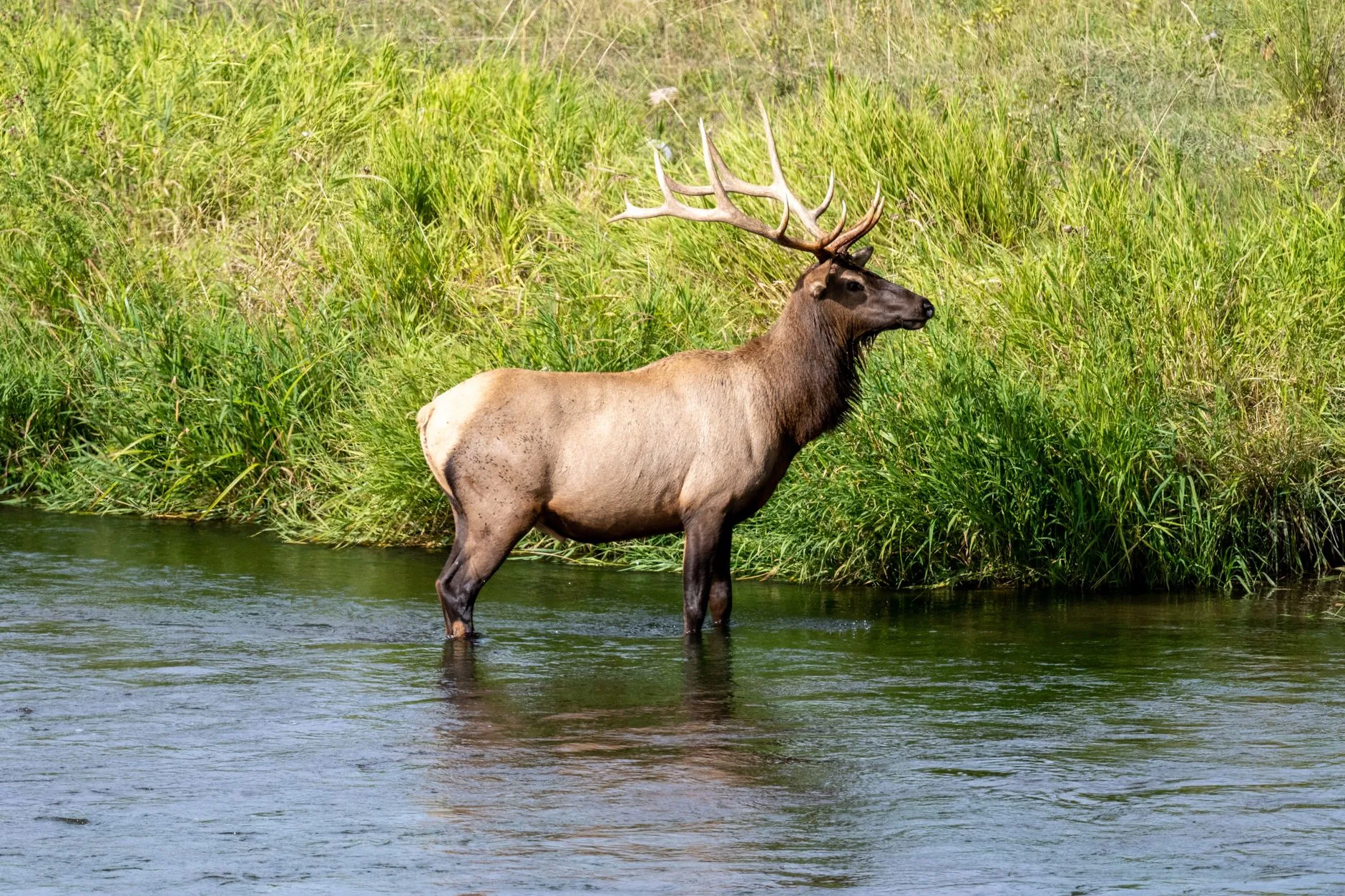
A big bull has a way of making people stupid. That’s not a theory — it’s a pattern that shows up in poaching case after poaching case across this state, and the Michael Letasky elk poaching case out of Montana is no different. Word spread the way it always does: through hunting camps, at check stations, over coffee in small-town diners where everybody already knows everybody’s business. Because here’s the thing every ethical hunter in this state understands in their bones — the elk belong to all of us, and Montana Fish, Wildlife & Parks will come for you when you forget that.
Here’s what happened, why it matters, and what Montana’s poaching enforcement system actually looks like when it’s firing on all cylinders.
What the Michael Letasky Montana Elk Poaching Case Involved
Michael Letasky faced charges related to the illegal taking of elk in Montana — a state where game wardens treat wildlife violations like the crimes they are, not like parking tickets. FWP’s law enforcement division covers millions of acres of public and private ground from the Bitterroot to the Breaks, and they lean hard on tips from hunters, outfitters, and landowners who know when something’s off. The Turn In Poachers (TIP) hotline at 1-800-TIP-MONT has put more people in front of a judge than most folks realize.
Poaching elk in Montana is not a slap-on-the-wrist situation. Illegally killing a bull — especially a mature, trophy-class animal — can trigger felony charges depending on the circumstances. That means potential jail time, fines running into the thousands, mandatory restitution paid directly to the state for the assessed value of the animal, and the loss of hunting and fishing privileges. Through the Interstate Wildlife Violator Compact, which Montana participates in alongside more than 40 other states, that license revocation doesn’t stop at the border. You lose the right to hunt in Oregon, Wyoming, Colorado — all of it. Gone.
FWP sets the restitution value for a mature bull elk, and it can exceed $8,000 for a trophy animal. Stack fines, court costs, attorney fees, and the possibility of equipment forfeiture on top of that — rifles, ATVs, even the truck you drove to the kill site — and one illegal elk can financially bury a person. That’s before the community fallout. In tight-knit Montana hunting circles, from Dillon to Libby to Jordan, reputations don’t recover easily.
Why Montana’s Poaching Enforcement Is No Joke
Montana game wardens work cases the way detectives work crimes. Because that’s exactly what they’re doing. Trail cameras, taxidermist records, meat processor logs, social media posts, confidential informants — all of it feeds into investigations. Wardens have made arrests because a hunter bragged to the wrong guy at a bar in Missoula. Because a photo went up on Facebook with the metadata still attached. Because a set of antlers showed up at a shop and didn’t match a single valid tag in the system. Honestly, the digital trail alone has tripped up more poachers in the last decade than any other single factor.
FWP’s Wildlife Legal Services unit handles prosecution, and they’ve gotten more aggressive about pursuing maximum penalties — particularly in cases involving large bulls, repeat offenders, or organized poaching rings. Guides and outfitters should take note: if you’re in the field with a client and they kill illegally, you can face charges right alongside them. Licensed or not.
Elk herds in units across western and central Montana are managed through permit systems, limited-entry draws, and season structures built to keep populations healthy for the long run. When someone bypasses that system, they’re not just cheating the state. They’re stealing from every hunter who’s burned years of preference points trying to draw a Missouri Breaks bull tag, every outfitter running a clean operation on the Rocky Mountain Front, and every person who just wants to glass a herd in September and watch something wild.
What Ethical Montana Hunters Can Do
The hunting community already does this better than any other conservation group in the state: it polices itself. Keep doing that. If you’re in the field and something’s wrong — an animal down with no hunter around, a camp running strange hours during a closed season, gut piles in a unit where the tags shouldn’t be active — call it in. The TIP line is anonymous. Tips lead to real arrests. That’s not a maybe; it’s a matter of record.
Know your regulations before you’re standing on a ridge at first light with an animal in your scope. Montana’s hunting regs are free through FWP and cover everything from boundary lines to legal shooting hours to wanton waste. “I didn’t know” has never worked in a Montana courtroom, and wardens have heard every version of that sentence there is.
Beyond that, two things matter most:
- Report suspicious activity the moment you see it — don’t wait, don’t second-guess yourself, and don’t worry about being wrong. Let the wardens sort it out.
- Hunt like your tag, your access, and the next generation of Montana hunters depend on the choices you make in the field. Because they do.
Cases like the Letasky investigation aren’t just about punishment. They’re a reminder that the system works when hunters and wardens work together — and that no bull, no matter how big, is worth what you’ll lose when you decide the rules don’t apply to you.
Montana's outdoor week, in your inbox at 7am Friday.