
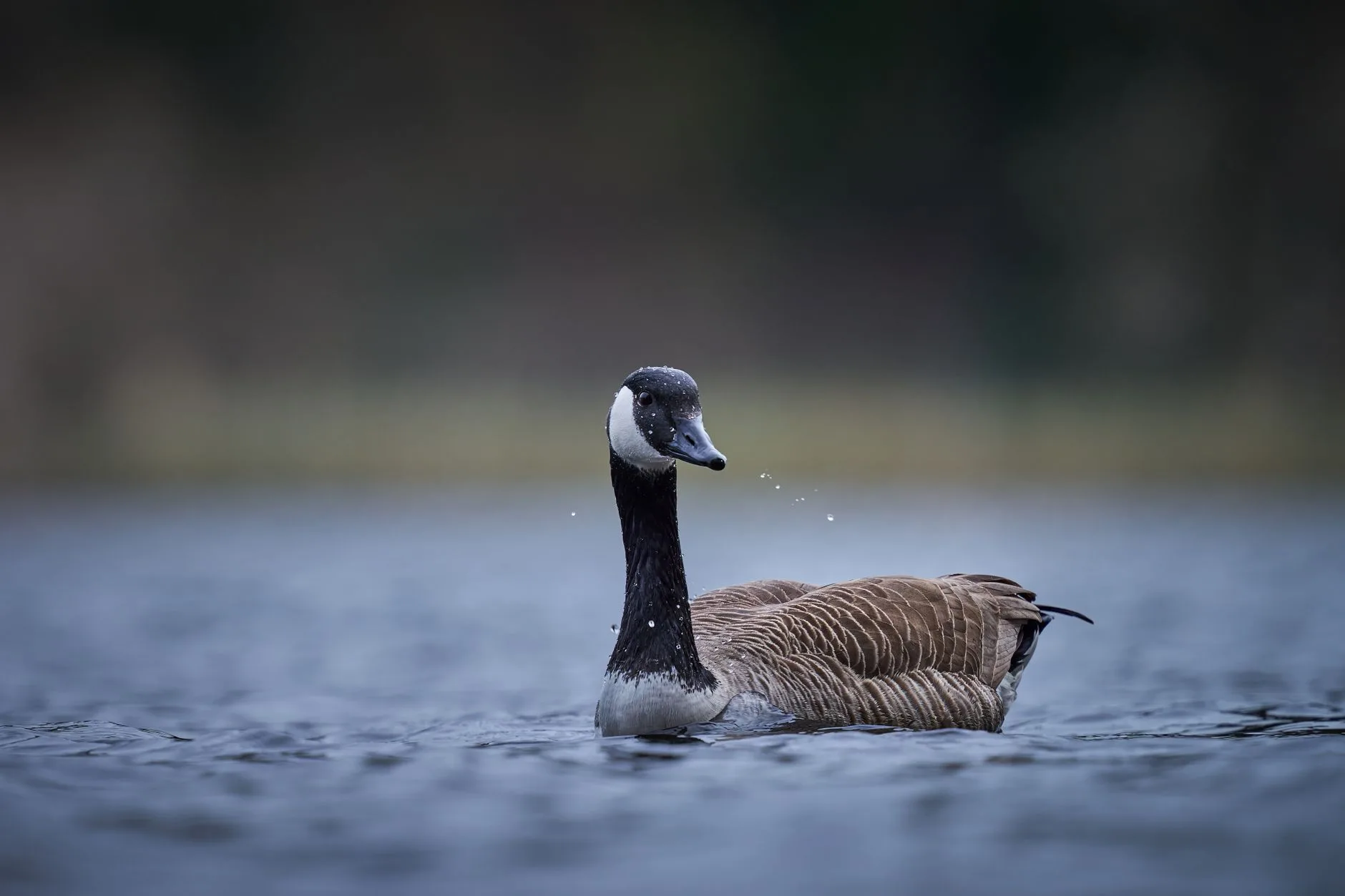
Ever walk up on a dead goose at first light and wonder whether to touch it? Anybody who’s spent time on a field edge or a slough knows the moment. A goose on the bank. A cluster of dead ducks near the water. Most years you’d step around it and keep walking. With highly pathogenic avian influenza still hanging around Montana, that’s not good enough anymore.
Montana Fish, Wildlife and Parks has reminded hunters and anyone else spending time outdoors to take precautions around sick or dead wildlife while HPAI, commonly called bird flu, remains a concern. Here’s how to turn that reminder into habits you’ll actually use in the field.
Why this matters beyond the birds
Avian influenza is mainly a bird disease, and waterfowl are a big part of how it moves across the landscape. Montana sits under major migration routes, so birds funneling into the Missouri River reservoirs, the Bitterroot and Flathead bottoms, and the prairie potholes east of the Rockies are all part of the bigger picture. For us, the concern is practical. We handle birds, we clean birds, and we often do it somewhere with no running water.
That doesn’t mean the sky is falling. Nobody’s telling you to hang up the shotgun. It just means a bird in hand deserves a little more care than it got a decade ago.
Practical habits for the field
None of this is complicated, and it lines up with the general guidance hunters have heard about avian influenza. Check with Montana FWP for the latest recommendations before you head out, since guidance changes as the situation does.
- Leave sick or dead birds alone. If you find a bird that looks sick or is dead and you didn’t shoot it, don’t pick it up. Healthy-looking birds that act strangely, like not flying when approached or showing tremors, deserve distance.
- Wear gloves when handling birds. Disposable or rubber gloves are cheap and easy to stash in a vest pocket or blind bag. Put on a fresh pair for field dressing.
- Keep your hands away from your face. Avoid touching your eyes, nose, and mouth while handling or cleaning game, and don’t eat, drink, or smoke while you work.
After that, wash up. Soap and water after handling birds, and clean your knives, cutting boards, and anything else that touched raw meat. If you’re cleaning birds away from home, toss water and soap or sanitizer in the truck. Cook your birds thoroughly, too. Poultry guidelines apply to wild game birds just like the store-bought kind, so cook to a safe internal temperature instead of guessing. And keep raw and cooked separate in the kitchen. Cross-contamination is an easy mistake after a long day in the marsh.
Protect the dog and the flock
Your retriever deserves some thought here. A dog that hauls a dead or sick bird out of the water or brush is in close contact with whatever that bird was carrying. Honestly, I’d rather have a dog that learns to leave strangers’ birds alone than one that eats every mystery carcass on the bank. Discourage your dog from picking up or mouthing birds you didn’t harvest, and talk to your vet if you have questions about the risks for working dogs.
If you keep backyard chickens, ducks, or other poultry, hunting adds another wrinkle. Birds, blood, and feathers can ride home on your boots, clothes, and gear. Change clothes and boots after a hunt before you go near your flock, and keep carcasses and offal well away from them. Rural Montana is full of small flocks, and a little separation goes a long way.
What to do if you find a cluster of sick or dead birds
One dead bird can be any number of things. Several dead birds in the same spot, especially waterfowl, is a different story. Don’t handle them. Make a note of the location and what you saw, then report it to Montana FWP so biologists can follow up. You’re one of the best sets of eyes the state has, and your report helps wildlife managers track what’s happening on the ground.
The bottom line for Montana sportsmen
Bird flu isn’t a reason to stay home. It’s a reason to be a little more deliberate: gloves on, hands off your face, clean up afterward, and cook birds thoroughly. If you ask me, that’s a small price for protecting yourself, your family, your dog, and any birds you keep at home. It costs almost nothing and takes almost no time.
Rules and recommendations can shift through the season, so confirm the latest with Montana FWP before you go. Then get out to the marsh, the field edge, and the flights coming through. Just keep a pair of gloves in the pack.
Montana's outdoor week, in your inbox at 7am Friday.