
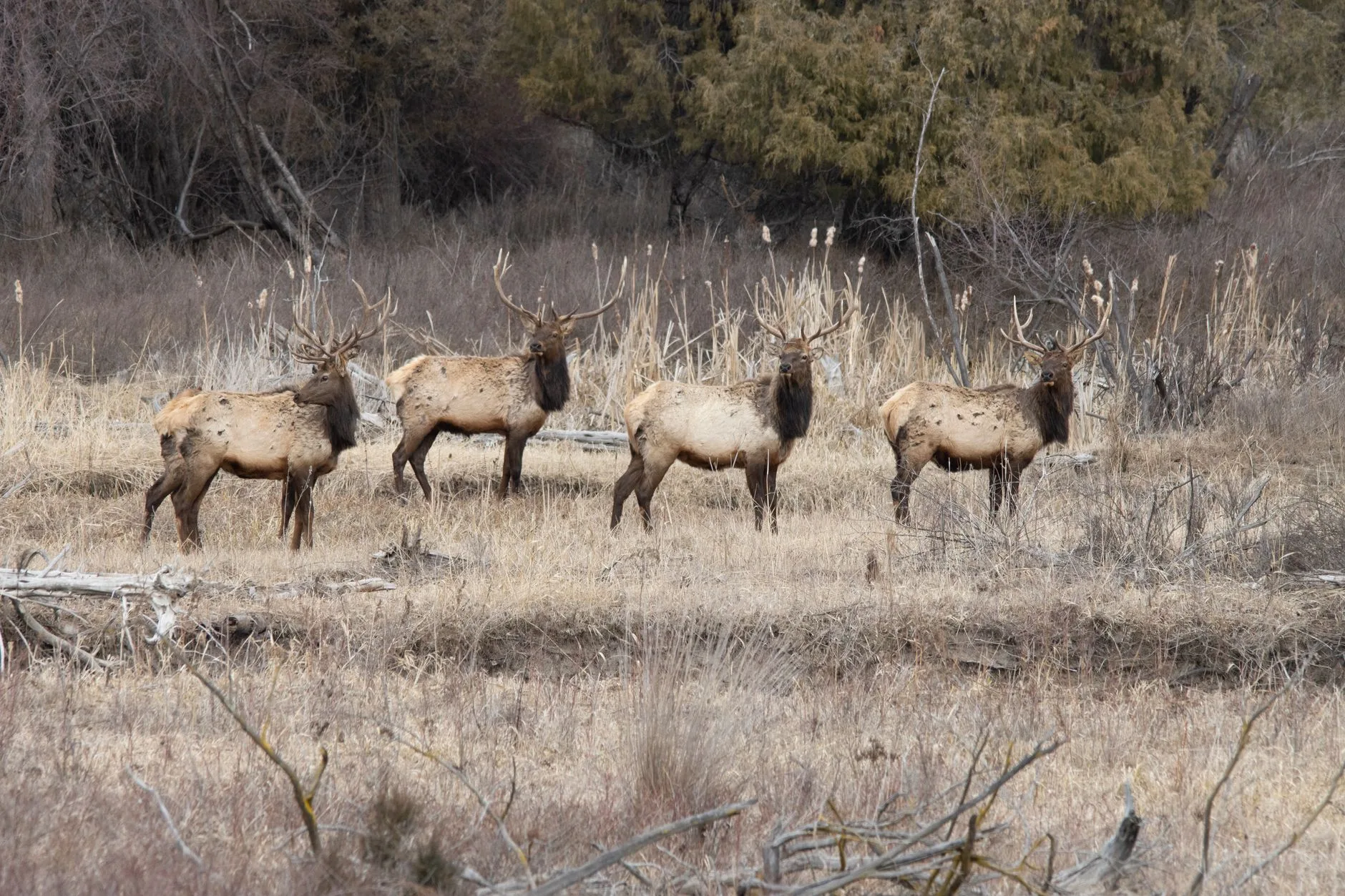
Nobody tells campfire stories about an average season. But if you’re still carrying a tag, the numbers out of west-central Montana deserve a look: deer and elk harvests are tracking close to last year’s as the general season hits its midpoint. No collapse. No banner year. Just steady.
That’s the word from recent reporting on the region, and I think it says more than it first appears to. “Average” in the Bitterroot, the Blackfoot, the Clark Fork drainage and the country around them means something specific to the folks who hunt it, and it hands you a few lessons for the back half of the season.
What “Near Average” Actually Tells You
A harvest that matches last year tells you hunter success and conditions haven’t swung hard in either direction. That’s no small thing around Missoula and Hamilton, where heavy timber, steep drainages and a patchwork of public and private ground make elk hunting a genuine test. Steady numbers mean the herds are holding up and hunters are putting in the miles to find them.
Don’t write off the rest of the season, either. Plenty of tags get filled in the final weeks, and a middle-of-the-road first half leaves room for a late push. Honestly, I’d rather be holding a tag in a steady year than a hot one. Hot years pull crowds.
Why the Second Half Is a Different Hunt
Anybody who’s chased elk and whitetails through November knows the game changes. The animals that were scattered and comfortable in September have been pushed around for weeks. Elk slide into thicker cover, drift onto private ground or into hard-to-reach public pockets, and go mostly nocturnal. Deer tighten up around food and cover, and the rut starts steering their behavior in ways that can work for you or against you.
If you’ve still got an unfilled tag, here’s how I’d adjust.
- Hunt the pressure, not the map. Figure out where other hunters pushed animals. Elk often relocate a drainage or two over, or climb into steep, nasty cover most people won’t tackle.
- Go in before first light. Late-season animals slip back to bedding areas early. If you’re already in position, you’ve got a shot at catching them on the way.
- Watch the weather. Snow concentrates animals, pushes them lower and makes tracking easier. A fresh dusting can turn a dead morning into a good one.
- Slow down. Pressured animals hold tight. Cover less ground and glass more. In my experience, most hunters this time of year move too much and look too little.
Check Your Tags and Rules Before You Head Out
Season dates, hunting district boundaries, antlerless opportunities and weapon restrictions vary by district and species, and they shift from year to year. Before you commit to a late-season hunt, confirm the current regulations for your district and license through Montana Fish, Wildlife & Parks. That covers season end dates, harvest quotas and access requirements for the ground you plan to hunt.
Check whether your district has reporting requirements, too, and know exactly where the private-land lines run. West-central Montana is a checkerboard of public and private ownership, and one wrong turn can put you on somebody’s property. Don’t trust a gut feeling. Trust the map.
Respect the Resource, and the Landowners
Average harvest years don’t happen by accident. They come from healthy habitat, workable access, and a hunting community that, by and large, plays by the rules and respects the land. Landowners who open their gates, whether to a friend or a stranger who asked politely, are a big part of that. If you get permission, say thanks, close the gate behind you and pack out everything you brought in.
And if you take an animal, plan the pack-out before you pull the trigger. Getting a quartered elk out of a timbered drainage in this country is hard, sweaty work, and meat care matters when afternoons run warm or temperatures swing. Have game bags, a hauling plan, and a partner or two lined up if you can.
The Bottom Line
A near-average midseason isn’t boom or bust. It’s a reminder that the basics still decide who tags out: scouting, patience, being in shape, and the willingness to hunt hard once the easy opportunities are gone. If you’re holding a tag, the season isn’t over. Study how the animals have been moving, adjust to the pressure and make the remaining days count.
Tell someone where you’re headed, and verify every regulation with Montana FWP before you load the truck.
Source inspiration: NBC Montana
Montana's outdoor week, in your inbox at 7am Friday.