
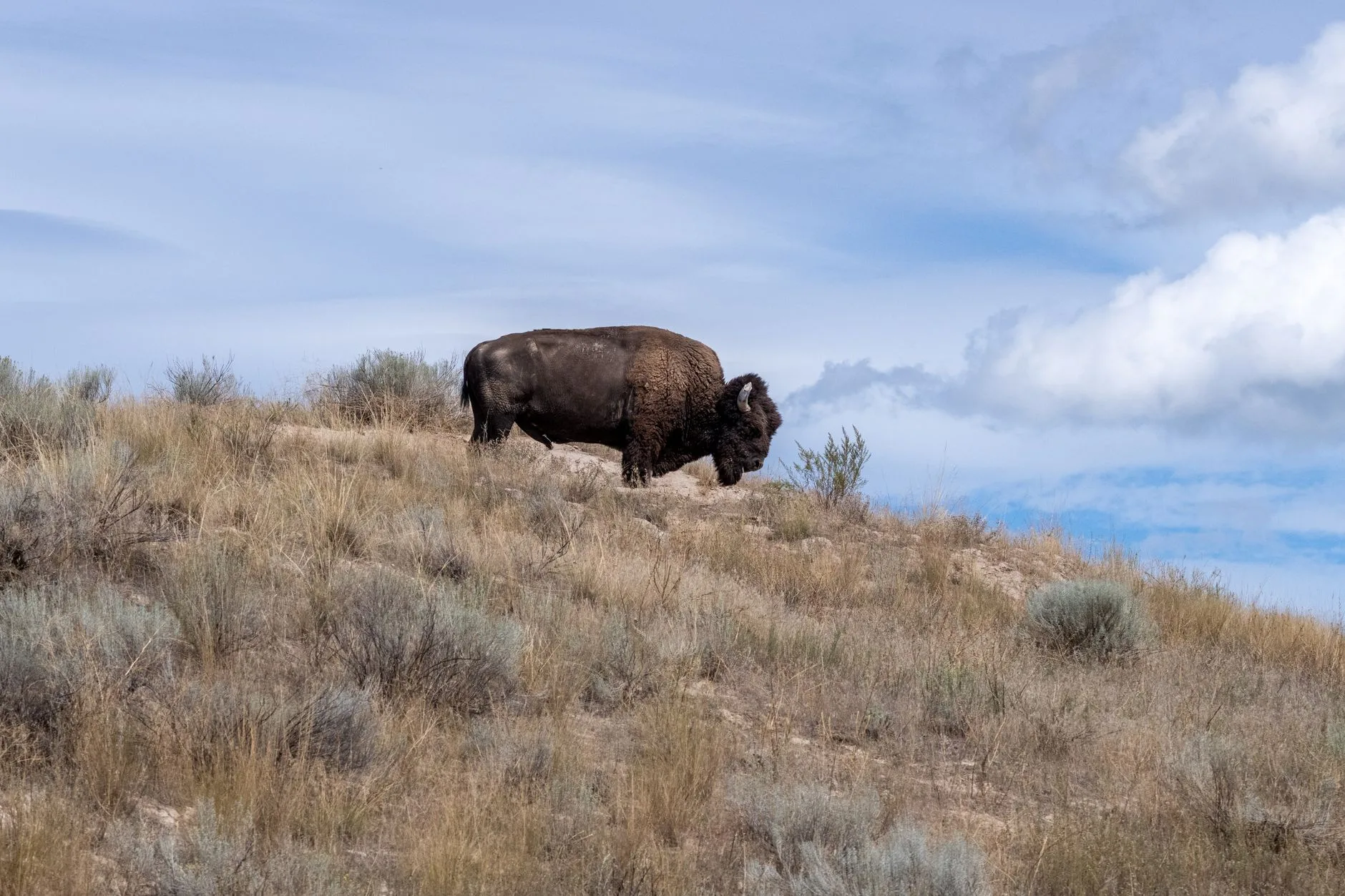
Here’s a question that sounds like a bar-stool joke but is being argued with real lawyers and real stakes: when is a bison a cow?
That’s the heart of a legal fight in Montana over whether American Prairie’s conservation bison qualify for federal livestock grazing permits. The latest coverage from Market to Market lays out the dispute, and it’s worth ten minutes of your time if you hunt, fish, or just spend a lot of days on public ground in the central part of the state.
If you’ve driven the Missouri Breaks or fished the stretch of river below Fort Peck, you already know this country is a patchwork. Deeded ranch ground, BLM allotments, state trust land, and the Charles M. Russell National Wildlife Refuge are all stitched together, and the permits that govern who runs what animals where are the thread holding it together. Change the rules on one piece and the whole quilt shifts.
That’s why this isn’t just a ranchers-versus-conservationists story, even though it’s often framed that way. The core question is legal and surprisingly narrow: do the words in the federal grazing framework, written with cattle and sheep in mind, stretch to cover wild-managed bison? Whichever way a court lands, the precedent will ripple well beyond one organization’s herd.
For hunters, the angle that matters is access and habitat. Grazing permits come with fencing, water developments, and seasonal use rules, and all of those affect where elk, mule deer, and pronghorn move and where you can legally follow them. Bison behave differently than cattle. They roam, they rub, they wallow, and they don’t respect a fence the way a Hereford might. Supporters say that’s exactly the point, restoring a natural grazing pattern the prairie evolved with. Skeptics worry about fence conflicts, disease questions, and what it means for neighbors who’ve run cows on adjoining ground for generations. Both sides have a legitimate argument, and you won’t find the answer in a bumper sticker.
It’s also worth remembering that Montana’s relationship with bison has never been simple. Anyone who has followed the Yellowstone herd, the quarantine and transfer programs, or the winter buffalo hunts near Gardiner knows this animal sits at an awkward crossroads of wildlife, livestock, and symbol. Is it game? Is it ag? Is it heritage? The state has danced around that question for decades, and this case drags it into a courtroom.
My take: watch this one even if you’ve never set foot on a prairie allotment. Public land policy rarely changes in one dramatic moment. It changes through procedural fights like this, where a definition gets stretched or snapped, and by the time most of us notice, the new rules are already on the ground. Hunters who care about access and habitat should be paying attention to the fine print now, not after the ruling.
Give the video a watch, then tell us where you land. Does a bison on a federal allotment belong under the same rules as a cow, or does it need its own rulebook? We’d like to hear from folks who actually work and recreate in that country.
Montana's outdoor week, in your inbox at 7am Friday.