February 2026 Fishing Report: Glacier National Park & Flathead Valley
Posted by Angela Montana on February 9, 2026
February fishing around Glacier National Park and the Flathead Valley feels more like spring than winter. According to Wild Montana Anglers, as of February 8th, low elevations are mostly snow-free, rivers are running high but dropping, and mild temps have opened the door to unexpectedly good fishing. Trout are holding in slow winter water, eating bright, heavy nymphs and streamers, with the occasional tease of a dry-fly bite on warmer afternoons. It’s a strange winter, but anglers willing to adapt are being rewarded.
Here’s the full report:
It’s safe to say this has not been a normal winter in and around Glacier National Park. While snowpack remains solid in the higher elevations, mid and lower elevation areas across the Flathead Valley are surprisingly bare.
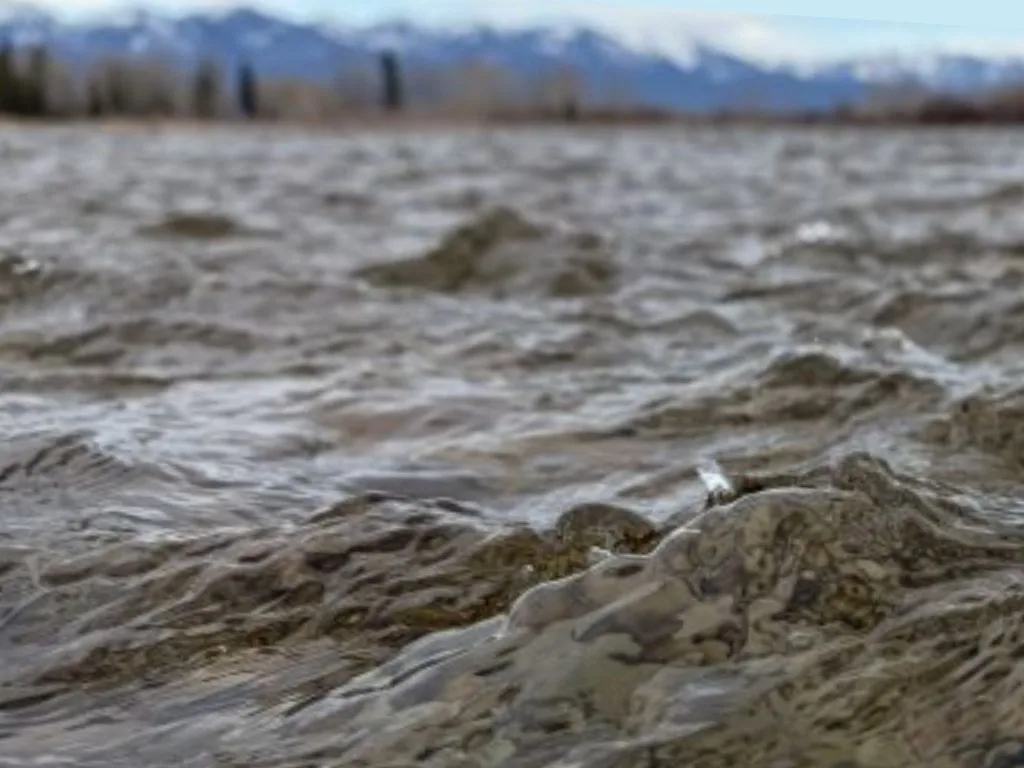
River conditions reflect that reality. The Big River, locally known as the Flathead River system is currently flowing at roughly twice its typical winter volume according to the USGS river gauge. Though it has dropped significantly from the nearly three-times-normal flows we saw just a week ago. It hasn’t been great news for skiers and snowboarders, but for anglers willing to brave winter conditions, it has opened the door to better-than-expected winter fishing on our local waterways.
Air temperatures have remained well above average, regularly pushing into the high 40s. Several longtime locals, folks who’ve watched these drainages far longer than I have—have commented that they’ve never seen winter conditions this mild in northwest Montana. The result has been spring-like fishing conditions on the Big River that drains the Crown of the Continent.
Big River
At last check, the Big River is flowing at 5,410 CFS, which is still well above seasonal averages. That said, releases from Hungry Horse Dam have dropped substantially over the past week, and downstream flows are beginning to follow suit.
Most anglers are finding success running bright, heavy nymphs under an indicator. Longer leaders in the 8–12 foot range have been key for getting flies down into the lower portion of the water column, where the majority of trout are holding.
Water temperatures remain cold, so anglers should focus on classic “winter water,” the slowest, softest holding water available. If mild weather persists and water temperatures creep upward, keep an eye out for increasing bug activity and trout rising higher in the column.
On recent guided trips, we’ve seen midges and occasional mayflies emerging during the late afternoon hours. While a consistent dry-fly bite hasn’t materialized yet, it feels close. Streamers have also been effective, with trout reacting to both slow and aggressive retrieves depending on the run.
Smaller waters, including the Thompson River drainage, are also experiencing above-average winter temperatures. Flows remain higher than normal but have steadily receded over the past week.
On the lower stretches, anglers have observed small bug emergences, though most fish are still being caught with subsurface presentations. Midges, stoneflies, and even terrestrial-style patterns have produced when placed correctly.
Focus on:
Seams
Foam lines
Inside corners
Tailouts
Use caution when wading. Despite spring-like air temperatures, water temps are still cold, and shaded banks and icy ledges can be hazardous.
Dries
Nothing consistent to report
Bobbers
Stoneflies: black, brown and yellow have been used. sizes #8-#12
Maylfies: in sizes #12-#16. Color hasn’t seemed to matter.
Worms: sizes #8-#14. Wine and red have been used.
Streamers
Buggers and small streamers in olive, black, and yellow have moved fish. Sink tips in the 150–250 grain range have been effective for reaching deeper runs.
Final Thoughts
This winter continues to feel like an outlier, and anglers willing to adapt have been rewarded with unexpected opportunities on both large rivers and small water across Montana. Conditions remain dynamic, so staying flexible and focusing on slow winter holding water has been the key to success.
The Skyline Sportsmen’s Association of Butte has added $500 to the reward offered for information about a pictograph panel that was vandalized at Missouri Headwaters State Park.
For Dr. Robert Pal, the plants that blanket Montana’s mountains, forests, and meadows are more than background scenery. They’re living stories waiting to be understood.
The Montana Outdoor Podcast features an insightful discussion with Brian Lipscomb about the history and significance of the Séliš Ksanka Ql̓ispé Hydroelectric Project and its impact on Flathead Lake.
This week’s Montana Outdoor Podcast features hosts Dale, George Bumann, and Jenny Golding discussing the upcoming online Yellowstone Summit, featuring over 30 expert speakers from February 19th to 22nd.
Skijoring evolved from a survival technique in Central Asia to a thrilling sport in America, especially in Montana, blending speed, skill, and culture while maintaining its historical roots.
In Yellowstone, wolves and cougars clash because wolves steal elk kills, sometimes killing cougars. A long-term GPS study shows they’re rivals without reward, unlike smaller predators that scavenge for food.
Coydogs, true 50/50 coyote-dog hybrids, are rare and often confused with coyotes or feral dogs. Actual hybrids can be unpredictable and belong in the wild, not as pets.
Minnesota ice angler Beau Rochel shared a clever DIY hack for a multi-ice hole cover that keeps feet warm while fishing. It’s lightweight, easy to transport, and uses simple materials like landscaping fabric and adhesive.
Bear, an AKC purebred Anatolian Shepherd from Wild Rooster Farm, will move to South Africa to join the Cheetah Outreach Trust, aiding farmers in protecting livestock and conserving cheetahs.
Bobcat hunting and trapping in Montana Region 4 ends on February 11 at midnight. Hunters should check quota status online to ensure compliance with regulations before the season closes.
Anglers should exercise caution due to varying ice conditions. Fishing yields include rainbows at Canyon Ferry and Helena Valley, while Hauser and Holter have mostly open water and unstable ice.
Kokanee Quinn shares a Wisconsin-style venison brat recipe featuring brats simmered in beer and onions, finished over fire, topped with tangy hard-cider kraut—perfect for outdoor cooking.
Kokanee Quinn’s crock pot pineapple upside-down cake recipe combines yellow cake mix with crushed pineapple, creating a moist dessert topped with caramelized pineapple and cherries, effortlessly delicious and impressive.