
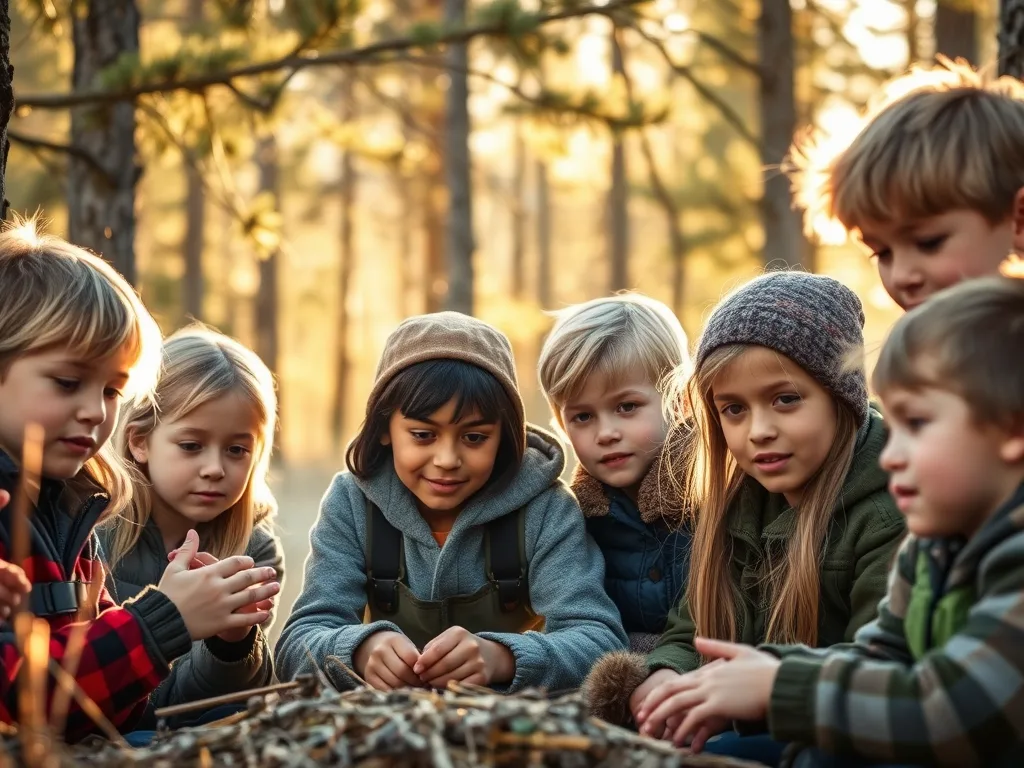
Back in 2015, Outdoor Life published a powerful story about a group of young trappers known as the “No-Name Gang”—and more than a decade later, its message still rings true. The article followed 22-year-old Bill Porter and a youth trapping camp in Wisconsin that gave kids hands-on, in-the-field experience running traplines, making sets, dispatching animals, skinning furs, and learning ethics the right way—by doing. For many of these kids, trapping wasn’t just about fur or tradition. It was about belonging. It gave them confidence, responsibility, and a peer group that understood them. As camp director Nicke Shumaker explained, the goal wasn’t publicity—it was passing down skills, building character, and making sure the next generation understood wildlife, conservation, and accountability firsthand.

The story remains a reminder that when kids are introduced to trapping in a thoughtful, educational environment, they don’t just “try it”—they care about it. They pay attention. They absorb lessons about land use, animal behavior, ethics, and stewardship. Some wrote heartfelt letters to instructors. Others turned their experiences into school projects. Many who had never been exposed to trapping before found purpose and pride in learning something real and challenging. Programs like this show that when we mentor young people outdoors—whether it’s trapping, hunting, or fishing—we’re not just teaching skills. We’re teaching responsibility, independence, and conservation values that stick. And as relevant as it was in 2015, that lesson still matters today.

Here in Montana, that lesson hits even closer to home. With our rich trapping heritage, vast public lands, and strong conservation roots, introducing kids to trapping isn’t just about preserving a tradition—it’s about strengthening the future of wildlife stewardship in the Treasure State. Montana was built on outdoor skills passed down through generations, and when young people are mentored in ethical trapping, they learn responsibility, patience, and respect for the resource. Just like the kids in that 2015 story, Montana’s youth prove time and again that when they’re educated and trusted with real-world outdoor experiences, they don’t just participate—they care.