
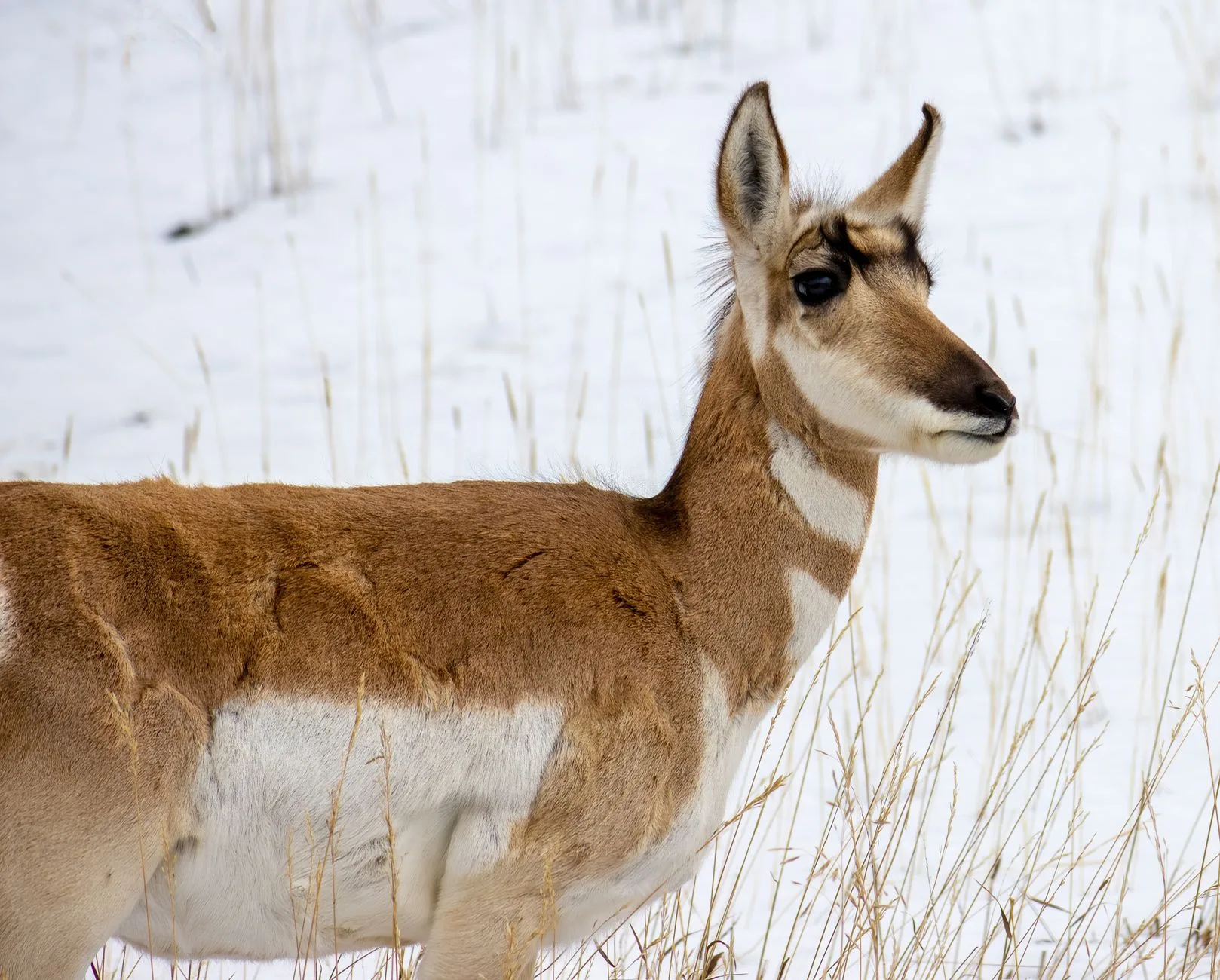
Pronghorn are the fastest land animal in North America, and eastern Montana is one of the best places left to chase them on foot. The Skull Bound crew just dropped a video that captures exactly why so many of us make this trip every fall — load the camper, point the truck east on I-94 or Highway 2, and go find some speed goats.
Tags, Seasons, and What You Need to Know Before You Apply
If you haven’t drawn a Montana pronghorn tag yet, here’s how it works: the general antelope season typically runs from late September into October, with exact dates varying by hunting district. Montana Fish, Wildlife & Parks divides the state into numbered hunting districts, and each one carries its own tag quotas, season dates, and either-sex or buck-only restrictions. Don’t assume the rules in one district carry over to the next. Read the regs specific to where you’re planning to hunt.
The application deadline for pronghorn tags typically falls in June, which means if you’re reading this in winter or spring, now is the right time to be doing your homework. Resident tags are more widely available, but non-resident antelope tags are limited and the draw gets competitive depending on the district. Some of the BLM-heavy districts in central and northeastern Montana — Garfield, Petroleum, Phillips, and Custer counties — tend to offer solid drawing odds without requiring you to stack preference points for years. Use the FWP drawing odds tool on their website before you commit to a district. It’s updated annually and takes the guesswork out of where to focus your points.
Pronghorn populations across much of eastern Montana have held up reasonably well in recent years, though back-to-back hard winters can knock local herds back fast. FWP adjusts tag numbers accordingly, so a district with generous quotas one year may tighten up the next. Bookmark the FWP pronghorn management page and check it each spring before the application window opens.
Where to Hunt: Public Land Access in Pronghorn Country
Honestly, the public land situation in eastern Montana is one of the main reasons this hunt punches above its weight. The BLM manages millions of acres across the Missouri Breaks, the Powder River country, and the open prairie units east of Billings and Lewistown. State trust land parcels are scattered throughout these same areas too. Many are open to public hunting with a valid license, though some require Block Management enrollment or a walk-in access agreement — worth checking before you drive four hours to find a locked gate.
The Skull Bound approach — running a camper and staying mobile — is the right call for this kind of country. Pronghorn move. A buck working a particular draw on Monday might be two ridges over by Wednesday, and if you’re locked into a fixed rental or driving two hours each morning, you’re already behind. Being able to reposition camp gives you a real tactical edge. If you’re new to this style of hunting, the country along the Musselshell River drainage and the open prairie south of the Missouri River near Jordan are as good a starting point as any — classic spot-and-stalk terrain with solid public land access.
Tactics That Actually Work on Eastern Montana Antelope
Pronghorn hunting looks simple from the outside. Open country, animals you can see from a mile away — how hard can it be? Closing the distance is a different story entirely. These animals have some of the best eyesight of anything you’ll hunt in North America, and very little tolerance for anything that doesn’t belong on the landscape.
Glass before you move. Spend more time behind your binoculars than you think you need to. Identify the animal, figure out its direction of travel, and plan your whole approach before you ever leave the truck or step off a ridge. Eastern Montana looks flat until you’re actually in it — coulees, dry creek beds, and subtle ridgelines can hide a hunter moving on foot if you take the time to read them right. Use the terrain. It’s there even when it doesn’t look like it.
- Hunt the rut timing. Late September often overlaps with peak pronghorn rut activity. Bucks get focused on does and lose some of that edge, which makes spot-and-stalk approaches more forgiving than they’d be earlier in the season.
- Respect the wind. It’s constant out there, and it works in your favor if you let it. Always approach with the wind in your face, and pay attention to thermals shifting in the early morning and evening hours.
In my experience, the hunters who struggle on pronghorn are the ones who get impatient. They spot a buck at 600 yards, decide there’s no way to close the gap, and either take a marginal shot or bump the animal into the next county. Slow down. Commit to the stalk. The country will show you a way in if you look for it.
Why This Video Is Worth Your Time
What the Skull Bound crew captures here goes beyond the hunt itself. Eastern Montana has a feel that’s hard to explain to someone who hasn’t spent time out there — the scale of it, the quiet, the way the light lays across the sagebrush flats in the morning. This video gets at that in a way a lot of hunting content doesn’t even try. Whether you’re a veteran of this hunt or you’ve been sitting on the fence about applying for a tag, pull this one up. Then open a new tab, head over to FWP’s website, and start mapping out your districts. September comes faster than you think.
Montana's outdoor week, in your inbox at 7am Friday.