
September 1 is 30 days out. If you haven’t put boots on the ground in eastern Montana yet, you’re already behind. Mourning dove hunting looks simple from the outside — find the birds, find the food, find the water — but the hunters who consistently limit out are the ones who did their homework in early August, not the morning of opening day. This is that window. Use it.
Why Eastern Montana Is Dove Country
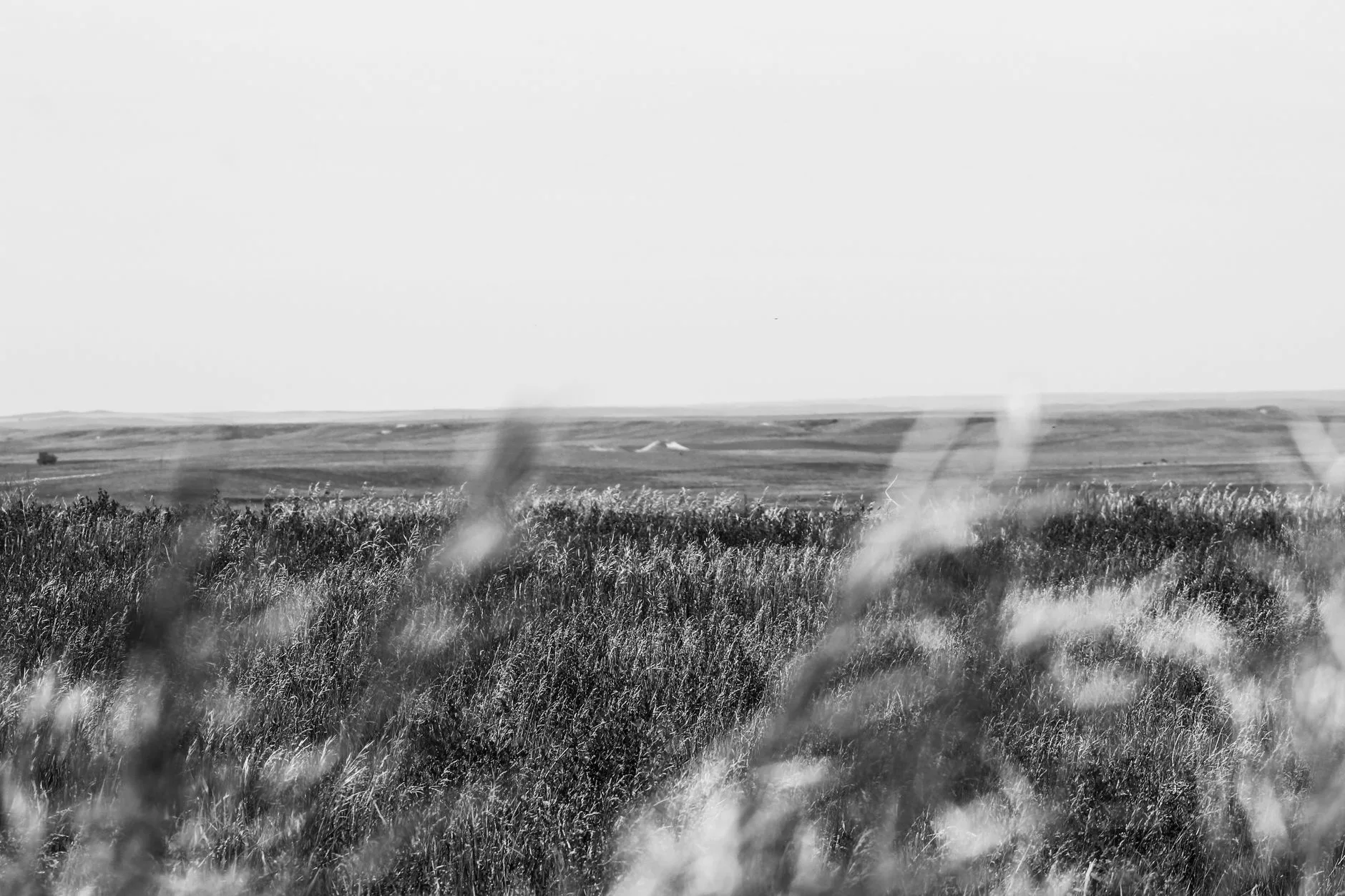
Montana isn’t the first state people think of for dove hunting, but eastern Montana — the wide, flat agricultural sprawl east of the Yellowstone River corridor — produces some legitimately good early-season shooting. The landscape out here is practically designed for doves. Vast dryland wheat and barley stubble fields, commercial sunflower operations, stock ponds scattered across the prairie, shelter belts of cottonwood and Russian olive that give birds a place to roost and stage. Counties like Dawson, Richland, Prairie, Wibaux, Fallon, and Carter all hold birds when conditions align, and they deserve your attention right now.
The Yellowstone valley itself — from Glendive west toward Miles City — acts as a natural travel corridor for migrating birds. Doves moving south out of Canada and northern Montana funnel through this drainage in late August and early September, which means early-season numbers can actually improve as the month opens if the migration is pushing. That’s not a guarantee, but it’s worth knowing when you’re picking your spots.
What to Look for When You’re Scouting
Sunflower Fields
Sunflowers are the gold standard dove attractant in eastern Montana. Birds hammer maturing sunflower heads with a consistency that makes them almost predictable. Right now, in early August, sunflower crops in Richland and Dawson counties are heading out and starting to set seed — exactly the stage doves begin keying in on. Drive the county roads north and east of Sidney and Glendive in the evening and watch where birds are pitching in. That’s your X. Come back opening morning.
Water Sources
In a dry August on the eastern plains, water is often the single most reliable concentration point. Stock ponds, irrigation reservoirs, even roadside ditches holding water will pull birds twice daily — early morning and again in the late afternoon heat. Look for power lines and fence posts near water. Doves use elevated perches to stage before dropping in to drink, and if you’re seeing birds sitting on lines near a stock pond, that’s a setup worth building a hunt around. Honestly, I’ve had some of my best early-season shoots within 50 yards of a beat-up stock tank that didn’t look like much from the road.
Grain Stubble and Harvested Fields
Wheat and barley harvest is largely wrapped up across eastern Montana by early August, leaving exactly the kind of short, open stubble doves love to feed in. Walk cut grain fields and look for feathers and droppings — doves aren’t subtle about where they’ve been. Fresh sign in a big open stubble field adjacent to a shelter belt or water source is about as good a scouting find as you’ll get.
Public Land and Walk-In Access
One of the best-kept secrets in eastern Montana dove hunting is how much access exists through Montana’s Block Management Program. Walk-in areas across Fallon, Carter, and Wibaux counties include private agricultural land that holds doves consistently, and many of these parcels sit right next to creek bottoms and stock ponds that concentrate birds. Pull the current Block Management maps from Montana FWP before you go — access boundaries and enrolled properties change year to year, so don’t rely on last season’s atlas.
Beyond Block Management, BLM ground in southeastern Montana is expansive and almost completely overlooked by dove hunters. Parcels scattered through Carter and Powder River counties can hold good numbers of birds near water and native seed sources. You won’t find the same sunflower-field density as the ag-heavy northeast corner of the state, but the pressure is virtually zero. If you ask me, that tradeoff is worth it more often than not.
One practical note: Always confirm current season dates, bag limits, and licensing requirements directly with Montana FWP before you head out. Dove hunting has federal migratory bird regulations layered on top of state rules, and those details are worth double-checking every single year — not just when you’re new to it.
Your Pre-Season Checklist for the Next 30 Days
- Drive fields at dusk this week. Evening observation is the fastest way to locate active feeding areas. You’re looking for birds in the air and on the ground — not just flying over.
- Pull Block Management maps now. Download or pick up the current FWP atlas for your target counties and flag walk-in parcels near sunflower or grain fields.
Use onX or Google Earth to locate stock ponds, reservoirs, and irrigation ditches in your target area, then get out and physically scout them over the next two weeks — a pin on a map doesn’t tell you whether there’s a usable approach or a fence line birds are staging on. If you find a shelter belt doves are using to roost at dusk, hold onto that spot. It’ll produce on opening morning before birds ever move to feed. And check your gear now, not the night before. Heat, dust, and long walking days define early dove season. Make sure your shotgun is clean, your loads are appropriate for the situation, and if you’re running a dog, get that animal conditioned for early September temperatures before you’re both suffering through it together.
Don’t Wait on This One
Early August is the last comfortable window to scout before the season is genuinely close. After that, you’re rushing. Eastern Montana dove hunting doesn’t require a major expedition — a truck, a tank of gas, and a couple of evenings watching fields will tell you most of what you need to know. The birds are already out there. Go find them.
Montana's outdoor week, in your inbox at 7am Friday.