
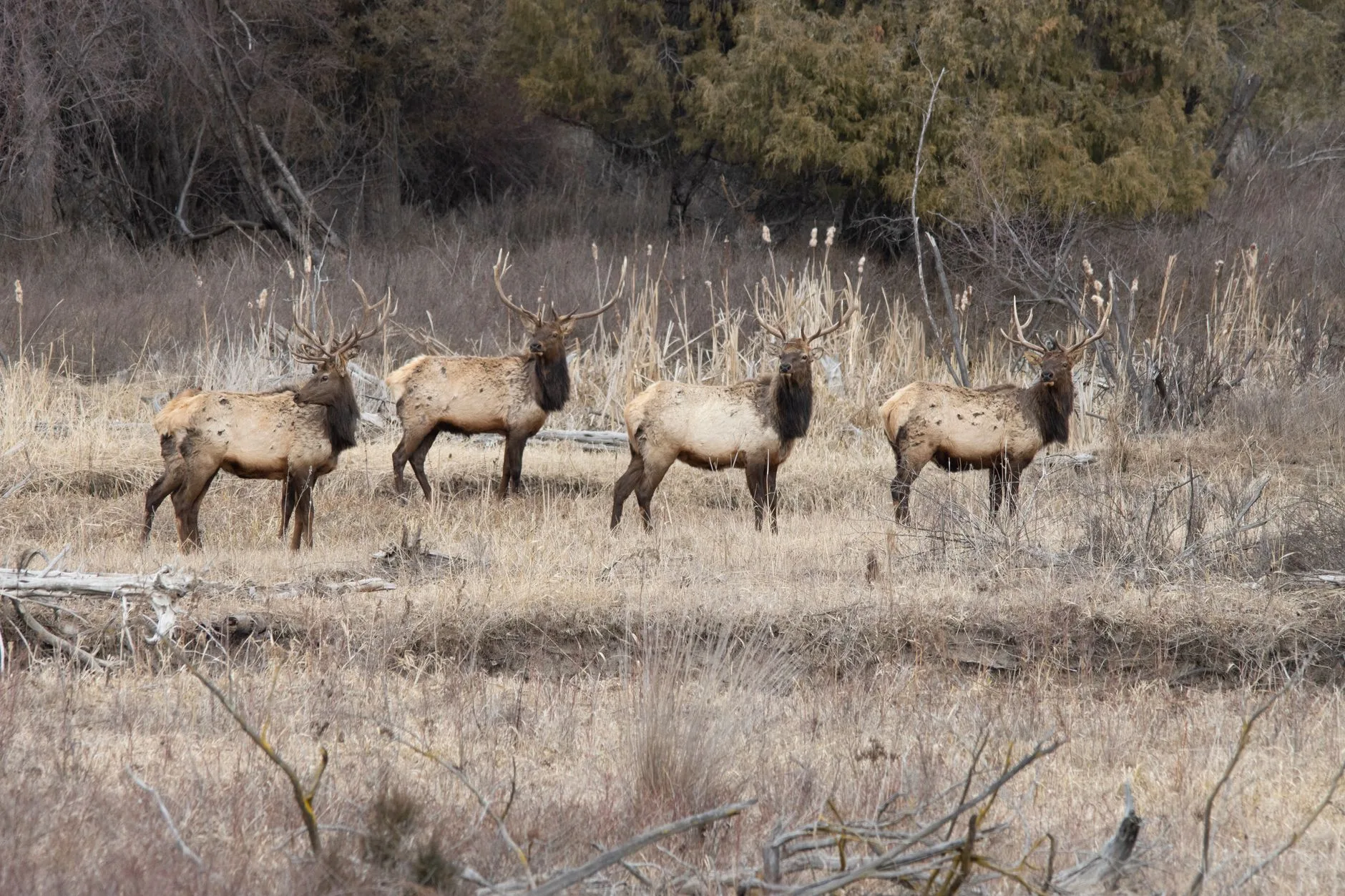
If you’ve ever hiked three miles into a Montana drainage, found fresh wallows, hot tracks, and rubs on every other tree — then blown the setup anyway — you already know the pain this video is talking about. Fresh sign isn’t a bull’s address. It’s a clue, and most of us are solving the wrong mystery with it.
The crew at Backbone Unlimited breaks down how mature bulls — the kind worth packing out in three loads — consistently gravitate toward specific 200-acre pockets in the landscape, and more importantly, how to identify those pockets before you ever lace up your boots. This is the kind of scouting framework that matters whether you’re chasing elk in the Bob Marshall Wilderness, the Gravelly Range, the Beartooths, or somewhere deep in the Kootenai National Forest. Montana’s general elk archery season opens in early September, and the rut push typically fires up across the state through mid-October depending on elevation and unit. That window is short, and wasting the first week camped on the wrong ridge is a gut punch you can’t get back.
What makes this video especially relevant for Montana hunters is terrain scale. We’re not hunting 500-acre properties with food plots and trail cameras on every oak tree. We’re hunting hundreds of thousands of acres of roadless Forest Service and BLM ground — places like the Selway-Bitterroot, the Missouri Breaks, or the upper Blackfoot drainage — where elk can simply vanish for days without crossing a road or a trail. The mistake most hunters make is treating a drainage like a flat map, assuming elk travel linearly from feed to water to bed. Big bulls don’t work that way. They use terrain features, thermal currents, and security cover in ways that are surprisingly consistent from unit to unit, and Backbone Unlimited lays out the topographic logic behind it clearly enough that you’ll find yourself nodding along and mentally flagging every saddle and hidden bench you’ve ever walked past without stopping.
What Montana Hunters Should Take Away From This
A few things stood out worth calling out specifically for how they apply to hunting elk here in Montana:
Benches above drainages are worth twice the time you’re giving them. In units like the Gravellys or the Pioneers, bulls bed on sheltered benches tucked just below ridgelines where they can monitor thermals rising from below while keeping escape cover above them. If your OnX map shows a flat spot between 8,000 and 9,500 feet with timber on the uphill side and a steep drop below, that’s worth a serious look — especially if it’s more than a mile from the nearest two-track.
Water matters less than you think during September. Early archery hunters fixate on wallows and creek bottoms. But once temperatures drop and the rut approaches, big bulls move off water sources and onto terrain features that position them to locate cows. Stop camping on the creek and start glassing the transitions between timber and open parks higher on the mountain.
Sign concentration doesn’t equal bull location. A ripped-up wallow with tracks everywhere is often a staging area or a spot cows have been using. A mature bull may be working that area at night and bedding somewhere completely different by legal light. The video makes this point well — you want to be where the bull is at 9 a.m., not where he was at midnight.
OnX is only as good as how you’re reading it. Once you absorb the framework Backbone Unlimited is teaching here, you’ll start using the terrain layers and topo lines differently. Look for subtle terrain pinches, isolated drainages that dead-end into cliff bands, and north-facing slopes with old-growth timber. Those are the pockets. Most of them don’t have a name on the map.
With Montana’s 2026 archery season right around the corner and over-the-counter general licenses still available for most districts statewide, now is exactly the right time to be rethinking your approach — not just organizing your gear pile. Watch this one start to finish, then pull up your scouted units and take a hard second look. There’s a real chance the pocket you’ve been hunting is 400 yards from where a mature bull actually sleeps. Go find that 400 yards.
Montana's outdoor week, in your inbox at 7am Friday.