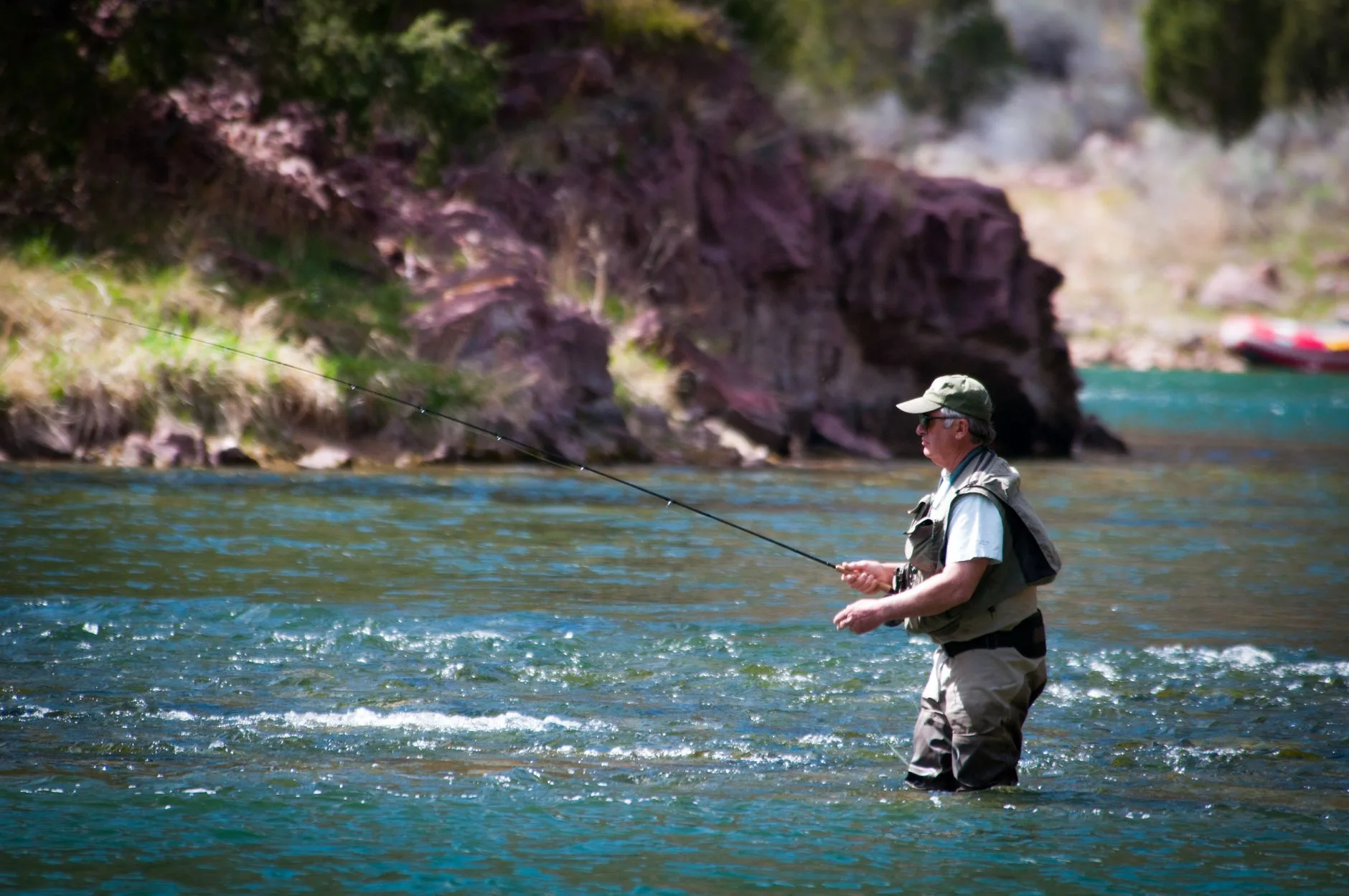
The Bighorn is fishing well right now — but “well” needs some context before you load the truck and burn four hours of highway. Here’s what’s actually happening on the river this week, from Afterbay down to St. Xavier, and whether the ‘Horn deserves your weekend over some other Montana options that are finally clearing up after a wet spring.
Yellowtail Dam Flows and Water Conditions: What the Numbers Actually Mean
Yellowtail Dam has been releasing right around 3,200–3,500 cfs as of mid-June. That’s elevated compared to the 2,200–2,600 cfs sweet spot most wade anglers prefer, but it’s well within floatable range and — more importantly — it’s been stabilizing. The Bureau of Reclamation has held releases steady over the past ten days. That matters more than the number itself. Spiking releases are what blow the fishing out, and that hasn’t been happening.
Water clarity in the upper river — Afterbay access down to Three Mile — is sitting at 2 to 3 feet of visibility. Not gin clear, but fishable. The browns and rainbows are still holding in predictable soft-water lies, and water temps have been coming in between 52°F and 57°F by mid-morning. That’s a legitimate feeding window, and it won’t last forever — once July heat arrives, fish push into thermal refuges and the game changes entirely.
Drop down toward the Nine Mile area and visibility opens up closer to 3 to 4 feet in spots as sediment load drops out. If you’re targeting larger browns and don’t mind rowing some miles, the lower floats are producing right now.
What Fly Patterns Are Working — Upper River vs. Lower Sections
The upper Bighorn is producing on pink and peach San Juan Worms in size 10–12, especially early morning when flows push debris and stir up the bottom. Not glamorous, but honest. Pairing a worm with a small Zebra Midge (size 18–20) underneath has been a reliable two-fly setup through the Afterbay section and there’s no reason to overthink it.
Move into clearer water below Three Mile and the game shifts. Pheasant Tail Nymphs in size 16–18 and Hare’s Ear variations are doing consistent work down there. There’s also been a decent PMD hatch firing between 10 a.m. and 1 p.m. on sunny days — Pale Morning Duns, size 16–18. Dry fly fishing on the ‘Horn in June is never a guarantee, but if you hit that hatch window with a PMD Sparkle Dun or Comparadun, you will find willing fish. In my experience, most anglers miss it by showing up too early and burning their energy on the nymph rig before the hatch even starts. Be patient. And don’t sleep on a size 14 Elk Hair Caddis in the evenings — caddis activity has been picking up noticeably at dusk near the brushy bank runs.
Streamer anglers throwing articulated patterns in olive and black on sink-tip lines have been connecting with the occasional larger brown in deeper channel cuts. But it hasn’t been the banner streamer bite some guides were hoping for at this flow. If streamers are your main reason for making the drive, give it another two weeks.
Crowding Intel, Access Realities, and the Honest Comparison to Other Montana Rivers
Let’s talk crowds. The Afterbay parking area has been filling by 7:30 a.m. on weekends — not an exaggeration. The Bighorn’s proximity to Billings means local pressure is real, and once summer tourism kicks into full gear, guided boat traffic between Afterbay and Three Mile can feel like a convoy. Weekday trips are a different river entirely. A Tuesday through Thursday float versus a Saturday isn’t a marginal improvement — it’s the difference between a quality experience and a frustrating one.
The St. Xavier section sees less pressure and has genuine public access through the Crow Tribe’s fishing permit system. Get squared away on that before you launch. You need a valid Montana fishing license plus a Crow Tribe recreation permit — no exceptions. Grab the tribal permit online or at local vendors before you leave home. Skip it and you’re looking at a stiff fine and a ruined trip.
Now, is the Bighorn worth the drive compared to other options right now? Honestly, it depends where you’re coming from and what you’re chasing. The Madison and Gallatin are still running higher than normal after a wet May and early June, with visibility that makes the Bighorn look like a mountain spring by comparison. The Missouri below Holter Dam is fishing beautifully and is arguably the better technical dry fly destination at the moment. But here’s the thing about the ‘Horn — it’s consistent in ways tailwater-skeptics never fully appreciate until a bad runoff year proves the point. The dam-controlled flows mean you’re not gambling on snowmelt timing the way you are everywhere else. You want reliable nymphing with a real shot at a 20-inch brown? Mid-June 2026 on the Bighorn delivers that.
Call a local outfitter in Fort Smith before you commit. Bighorn Fly Shop or Fort Smith Fly Shop can give you a same-week flow update that’s worth more than any report published three days ago, including this one. The river is fishing. Pack your 5-weight, bring both your nymph rig and a dry fly box, and don’t show up Saturday morning expecting a quiet run to yourself.
Montana's outdoor week, in your inbox at 7am Friday.