
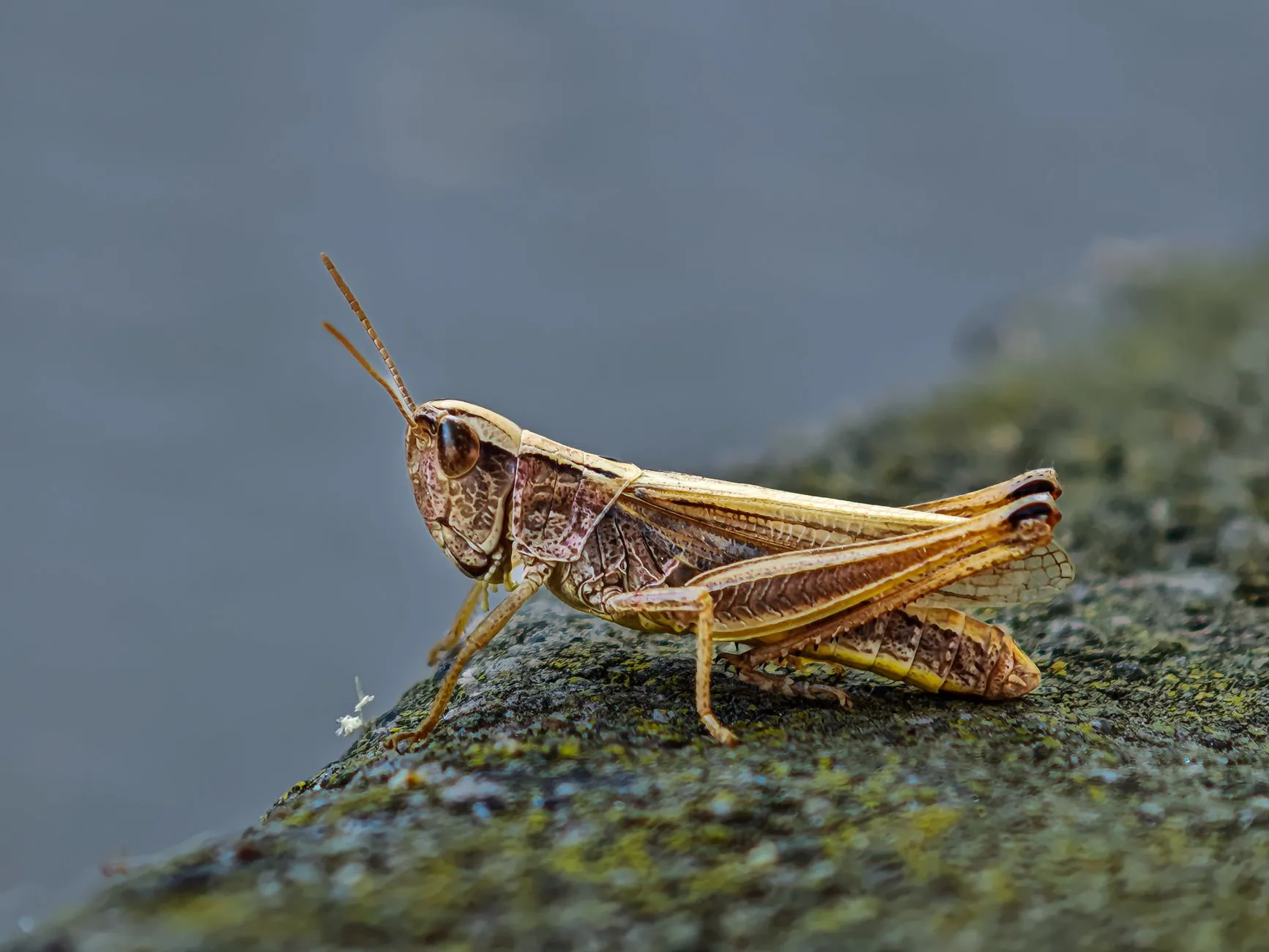
Late July on a Montana trout river is one of those things you either understand or you don’t. The banks are baked dry, the grass is tall and clicking with insects, and somewhere out in that sun-hammered current, a brown trout is staring up at the surface waiting for something big, clumsy, and alive to hit the water. That time is right now. Hopper season is here, it’s at its best, and if you’re not on the water by 9 a.m., you’re already late.
Why Late July Is the Peak Window
Grasshoppers in Montana reach full size and peak population in late July through mid-August. Once the sun warms the banks and the hoppers start moving — typically by mid-morning — they fall, jump, and blow into the river throughout the day. Trout in rivers like the Madison, Big Hole, and Bitterroot have been keying on this food source for weeks now, and by the time you’re reading this, fish are fully committed to looking up. That’s the gift of hopper season: you don’t have to match a hatch perfectly. You have to present a big, convincing bug with attitude.
The complication this year, as in most recent summers, is hoot owl restrictions. FWP’s hoot owl closures — which typically prohibit fishing after noon or 2 p.m. on affected reaches when water temperatures climb into the danger zone for trout — are in effect on multiple drainages right now. Always confirm current restrictions directly with Montana FWP before you go out, as closures can shift with weather and flow conditions. What this means practically: your best legal window is early morning, and that window also happens to be when hopper fishing is most productive. Early light, cooler water, and aggressive fish make for a legitimate blue-ribbon morning even on the most pressured tailwaters.
Rivers to Focus On Right Now
The Madison
From Ennis down through the Bear Trap Canyon, the Madison is one of the most productive hopper rivers in the state this time of year. The broad, braided sections above Ennis and the riffled runs below town both hold fish tight to grassy banks. Work the right-hand bank on the float, keep your cast within a foot of the edge, and don’t be afraid to let the fly drag slightly — a struggling hopper doesn’t drift perfectly, and trout know it.
The Big Hole
The Big Hole between Melrose and Twin Bridges is a classic hopper-dropper river, but right now many local anglers are fishing a straight hopper with no dropper at all. The river’s wide, open valley channels offer long bank shots, and the browns and rainbows here will absolutely crush a hopper that lands with a splat in slower water against a cut bank. Big Hole fish can be selective about size — carry patterns from a size 8 down to a 12, and let the fish tell you what they want on a given morning.
The Bitterroot
From Hamilton north toward Florence, the Bitterroot is an underrated hopper fishery that gets less pressure than the Madison and Big Hole corridors. The valley’s agricultural edges push hoppers directly into the river all morning long. Cutthroat here will take hoppers aggressively, and you’ll find willing browns in the deeper bend pools. Access via the Bitterroot River fishing access sites is solid, and early morning wading before temperatures climb is well worth the alarm clock.
Patterns That Produce
You don’t need a box full of exotics. A short list of proven patterns will cover almost every situation on a Montana river right now:
- Dave’s Hopper (sizes 8–12): The original Montana standard. It floats well, looks buggy from below, and has earned its reputation over decades on these rivers.
- Chernobyl Ant / Chubby Chernobyl: Excellent visibility, high float, and the rubber legs add movement that triggers strikes in slower water. Works exceptionally well as a hopper-dropper indicator when you want to cover both zones.
- Parachute Hopper: When fish are being picky about profile, a parachute-style hopper riding lower in the film can be the difference. Particularly effective on pressured Madison water.
- BC Hopper: A western favorite with a foam body that keeps it afloat all day. Holds up well to multiple strikes, which matters on a long float.
- Fat Albert: Oversized, high-floating, and best used when fish are actively feeding on large naturals in mid-summer. Don’t overlook the larger sizes when conditions are right.
Presentation Is Everything
Pattern selection matters less than where and how you put the fly. Accuracy beats pattern selection every time during hopper season. Your target is the first foot of fishable water off the bank — the tighter the better. A hopper that lands six inches from a cut bank will outperform a perfect fly that lands three feet away. Cast downstream at a slight angle, keep slack in the leader, and let the fly swing toward structure with a little drag. That slight movement often triggers the grab.
A hard splat on landing is not a mistake. Hoppers hit the water loud and awkward. Let the fly land with authority. More than a few Montana anglers have learned the hard way that a delicate presentation on a big foam pattern actually spooks fish that are expecting commotion.
Get Out This Weekend
This peak window doesn’t last. By mid-August, hopper populations start to thin, water temperatures eventually stabilize, and the character of the fishing shifts. Right now, between first light and whenever your local hoot owl restriction kicks in, you have access to some of the best dry fly fishing Montana offers all year. Check FWP’s current hoot owl closures, tie on something big and foam-bodied, and get your first cast against the bank before the sun clears the ridge. The fish will take care of the rest.
Montana's outdoor week, in your inbox at 7am Friday.