
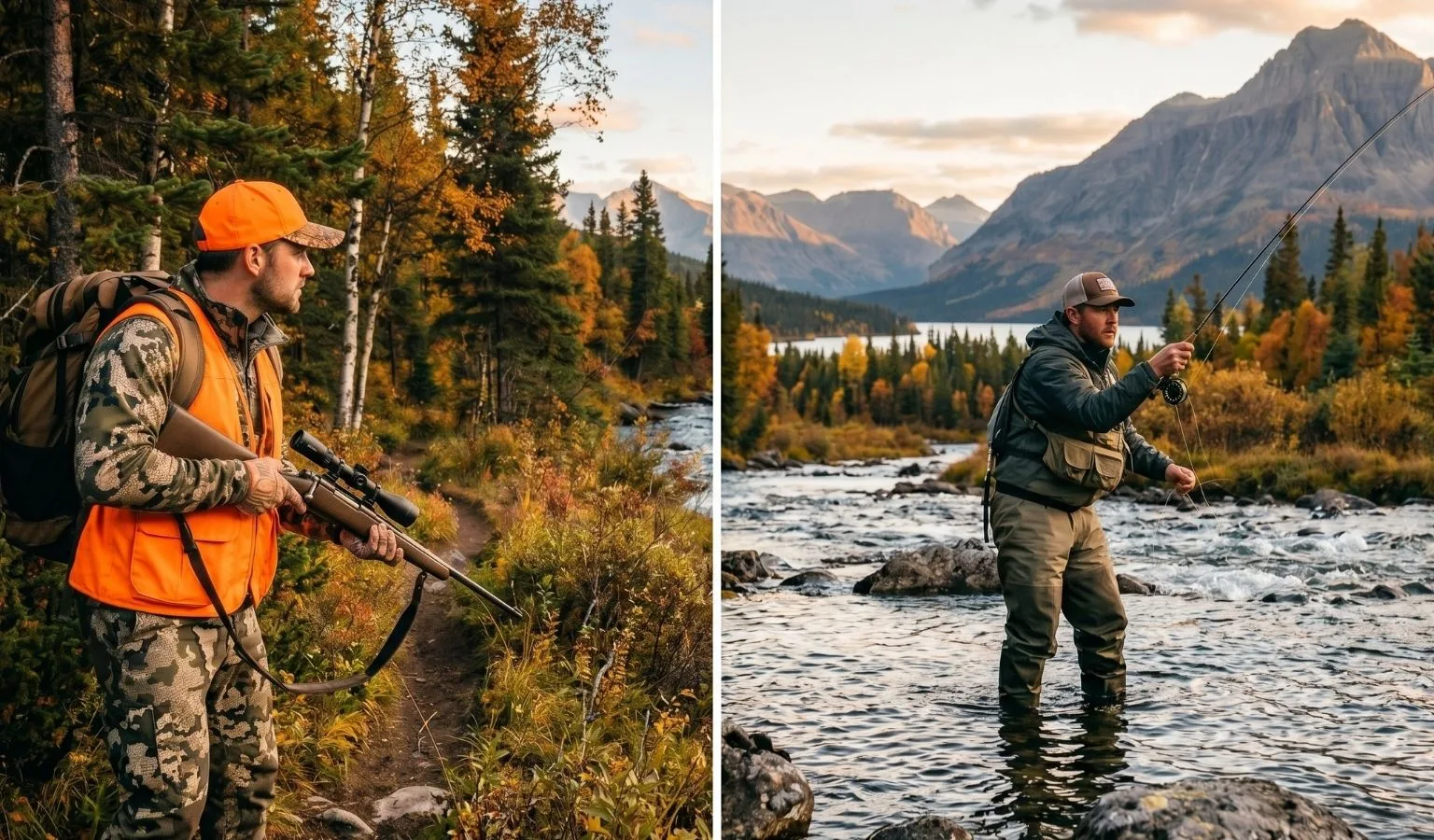
As wildlife policy increasingly shifts to the ballot box, sportsmen are playing defense. Following the narrow defeat of Colorado’s Proposition 127 (which aimed to ban big-cat hunting) and a current push in Oregon to effectively criminalize hunting and fishing, conservation groups are fighting back by trying to enshrine outdoor traditions directly into state constitutions.
Field and Stream reported that Colorado’s proposed initiative, Prop 302, aims to secure a spot on the ballot to protect hunting and fishing in perpetuity. Spearheaded by the International Order of T. Roosevelt (IOTR), the amendment wouldn’t alter existing regulations or bypass Colorado Parks and Wildlife; rather, it acts as a “lock on the door” to prevent activist-backed bans from bypassing scientific wildlife management.
Colorado is attempting to join a robust club of 24 states that already constitutionally protect the right to hunt and fish—with 20 of those protections approved directly by voters.

- The Pioneers & The Modern Wave: Vermont codified the right way back in 1777. Since 1996, 23 other states have followed suit, including Montana, which locked down its hunting heritage in 2004 via Constitutional Amendment 41.
- Partial Protections: California and Rhode Island constitutionally protect fishing, but not hunting. Alaska relies on strong “common use” case law rather than explicit wording, while Oklahoma expanded its protection to include farming and ranching.
The strategy has already proven effective. In 2024, Florida passed Amendment 2 with a 67.3% majority. Shortly after, a lone angler successfully used that constitutional protection to defeat a localized nighttime shark fishing ban. Proponents hope Colorado will be the next state to draw a permanent line in the sand.
Montana's outdoor week, in your inbox at 7am Friday.