
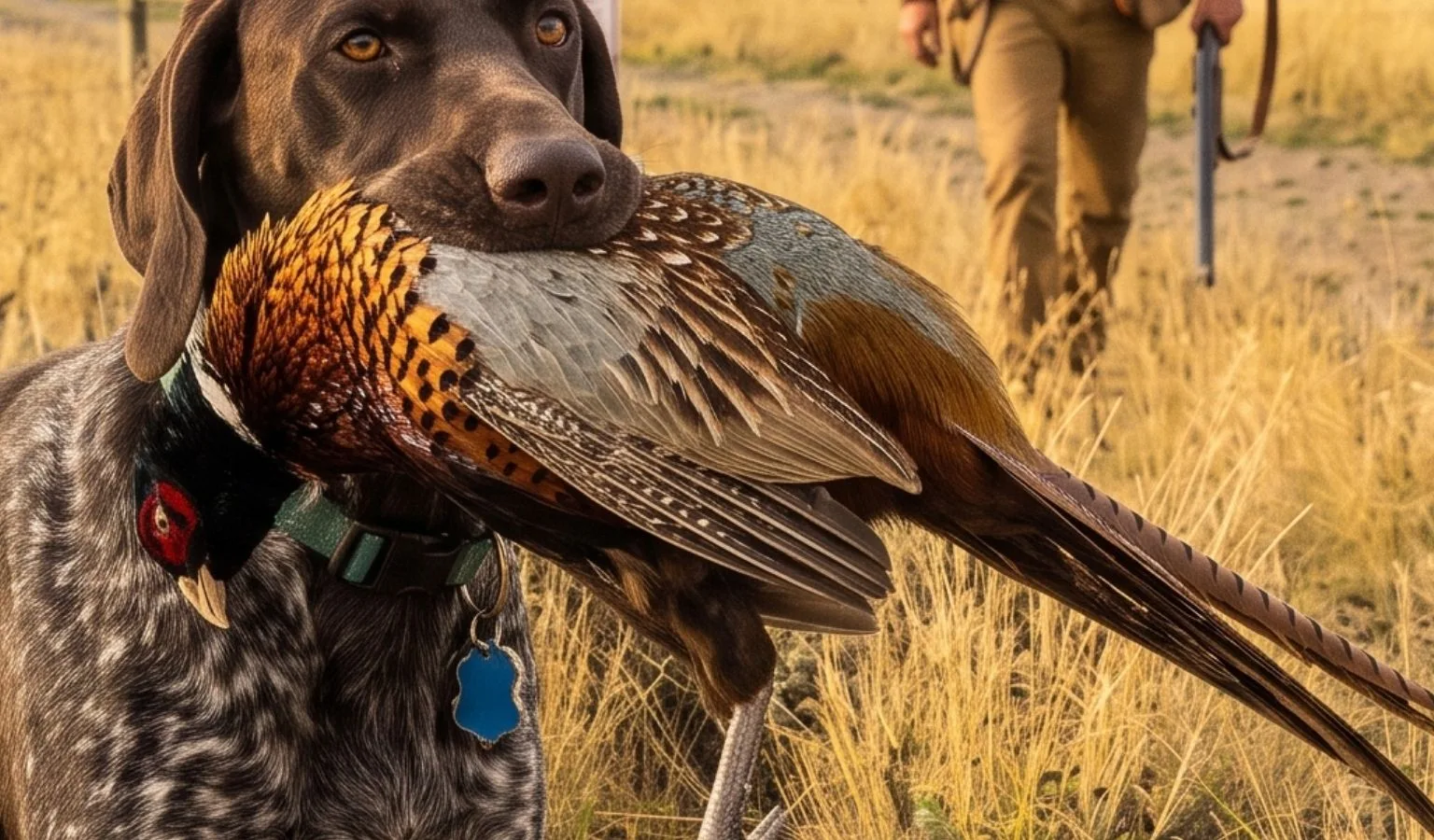
If you’re a local bird hunter in Big Sky Country, go ahead and set your alarm clock with a little extra spring in your step. If you’re planning a trip from out of state, however, you might want to hit snooze.
Thanks to legislative moves, Montana Fish, Wildlife & Parks is giving resident hunters an uninterrupted buffer before opening the floodgates. As MTFW put it:
“Montana upland game bird hunters have a 10-day head start on nonresident hunters.”
Locals get ten days to comb through the fields, walk the draws, and stretch their dogs’ legs before out-of-state blaze-orange vests dot the horizon.
The Law Behind the Head Start: Senate Bill 514
The rule change stems from Senate Bill 514, designed to give Montana residents priority access on heavily hunted tracts and reduce the frantic opening-day traffic jams on popular access lands. Under the updated law:
“…nonresident upland game bird hunters using private lands enrolled in FWP hunting access programs — including block management — or hunting on public lands may not begin hunting until 10 days later than resident upland bird hunters for all upland species except mountain grouse (blue, spruce [Franklin] and ruffed grouse).”
The bill reflects a broader conversation that’s been building in Montana for years. As nonresident demand for upland hunting has grown — particularly for wild pheasants and Hungarian partridge in the Hi-Line and eastern prairie country — resident hunters have increasingly felt the squeeze on opening weekend. Popular Block Management parcels that once felt like a local secret now see trucks from a half-dozen states lined up before dawn. Senate Bill 514 is the legislature’s direct answer to that frustration.
It’s worth noting that this isn’t a ban on nonresident hunting — it’s a delay. Out-of-state hunters are still welcome in Montana, and Montana’s economy benefits meaningfully from nonresident license fees and tourism dollars. The bill simply draws a clear line: residents earned the right to walk those fields first.
What This Means for Your Fall Calendar
So, what does this actually mean for your fall calendar?
- If you hold a Montana resident license: You get first crack at unspooked birds across public land and Block Management properties.
- If you’re traveling in from out of state: You aren’t totally grounded on day one—you can still head high into the timber for mountain grouse right away. But if you’re after pheasants, sharp-tails, or partridge on public ground, you’ll need to check the 2026 regulations, pack a little extra patience, and let the locals take the first lap.
For resident hunters, the practical upside is significant. The first days of any upland season are almost always the best days — birds haven’t been pressured, dogs are fresh and eager, and coveys are holding tight in predictable early-season locations. Getting ten uncontested days on Block Management ground or a favorite CRP edge before the nonresident crowd arrives is a genuine advantage, not just a symbolic one.
Which Species and Lands Are Covered?
It’s important to understand exactly where and for which birds the 10-day delay applies, because the rule is more nuanced than a blanket restriction.
Species Affected by the Delay
The nonresident delay covers the birds that drive the most hunting pressure in Montana — think ring-necked pheasants, sharp-tailed grouse, Hungarian (Hun) partridge, and sage grouse where seasons apply. These are the species that concentrate hunters in the state’s most accessible and productive upland habitats: the river bottoms, prairie coulees, CRP fields, and mixed-grass plains of eastern and central Montana.
The Mountain Grouse Exception
Notably carved out of the restriction are Montana’s mountain grouse — blue grouse, spruce (Franklin’s) grouse, and ruffed grouse. Nonresident hunters can pursue these birds from day one, right alongside residents. That’s an important detail for any out-of-stater planning an early-season trip. If you’re willing to lace up your boots and climb into the timber, you won’t be sitting on the bench. Mountain grouse hunting in Montana’s high country is an underrated and genuinely rewarding experience, and the opener remains wide open for everyone.
Public Lands and Block Management
The delay applies to hunting on public lands — national forests, BLM ground, and state lands — as well as private lands enrolled in FWP’s hunting access programs, including the widely used Block Management program. Block Management parcels are the backbone of upland hunting access for many Montana bird hunters, covering millions of acres of private land that would otherwise be off-limits. The fact that the delay applies there is significant and speaks to the intent of the legislation: protect the best, most accessible ground for residents during the all-important opening stretch.
It’s also worth clarifying what the law does not govern: private land not enrolled in any FWP access program. If a nonresident has permission from a private landowner on ground that isn’t part of Block Management or another access program, different rules may apply. As always, check current FWP regulations carefully before you head afield.
Montana’s Upland Bird Hunting Landscape: Why This Matters
To appreciate why SB 514 carries real weight, it helps to understand just how much Montana has to offer upland bird hunters — and how that abundance has made the state an increasingly popular destination.
Eastern Montana’s vast prairies and river breaks hold some of the best wild pheasant and sharptail populations in the West. The Milk River corridor, the Yellowstone drainage, and the coulees of the Missouri Breaks aren’t exactly hidden gems anymore — word has gotten out. Meanwhile, Hungarian partridge numbers fluctuate with weather and habitat conditions, but in good years, the Hi-Line and the prairie country south of the Highwood Mountains can deliver covey after covey for a well-prepared hunter with a solid pointing dog.
Central Montana’s mix of wheat fields, native grass, and CRP creates ideal transition habitat for multiple species in a single day’s hunt. It’s the kind of country where you might start the morning on sharptails in a prairie draw, move to Huns along a winter wheat edge, and end the afternoon chasing roosters in a cattail slough — all within a reasonable drive. That kind of variety is genuinely rare in the West, and it’s a big reason hunters travel from across the country to be here.
The pressure that comes with that popularity is real. SB 514 acknowledges it directly.
Practical Tips for Resident Hunters Making the Most of the Head Start
Ten days is a meaningful window, but it goes fast. Here’s how to make the most of your resident advantage this fall:
- Scout before the season opens. Use late summer drives to glass fields, locate coveys, and identify Block Management parcels worth prioritizing. Birds are visible and patterns are readable before hunting pressure sets in.
- Get your Block Management maps early. FWP typically releases updated Block Management maps ahead of the season. Download them, study the parcels in your target area, and have backup options ready — popular parcels fill up fast even among residents.
- Run your dogs before opener. Early-season heat can be brutal, especially in eastern Montana. Make sure your dog is conditioned and heat-smart before you’re putting in full days. Those first mornings are too good to waste on a dog that’s not ready.
- Spread out your pressure. With ten days of exclusive access, resist the urge to hammer the same parcel repeatedly. Birds educate fast. Hit a spot once or twice, then rotate to let it rest.
- Check regulations every year. Season dates, bag limits, and access rules can change. Don’t rely on last year’s information — always confirm with current FWP regulations before you go.
A Note for Nonresident Hunters Planning a Montana Trip
If you’re an out-of-state hunter with Montana on your fall list, this rule change warrants a close look at your itinerary. The 10-day delay means that timing your trip to arrive after the nonresident opener is now essential for legal hunting on public ground and Block Management parcels. Plan accordingly, and use any extra lead time to target mountain grouse in the high country — it’s a legitimate and often overlooked opportunity that doesn’t require any waiting.
Montana still wants you here. The state’s hunting heritage is built on open land, fair chase, and welcoming the right kind of hunting culture. The delay isn’t a door closing — it’s a reasonable ask that the locals get their week and a half first. Most serious bird hunters will understand that completely.
The Bottom Line
Think of it as Big Sky Country’s way of saying: rank has its privileges, and residency has its perks. Senate Bill 514 is a meaningful shift in how Montana manages its most popular upland species on its most accessible lands — and for resident hunters, it’s a genuine gift heading into fall. Use those ten days wisely. The birds won’t stay naive forever.
And always check the regulations, whether you’re a resident or non-resident!
Montana's outdoor week, in your inbox at 7am Friday.