
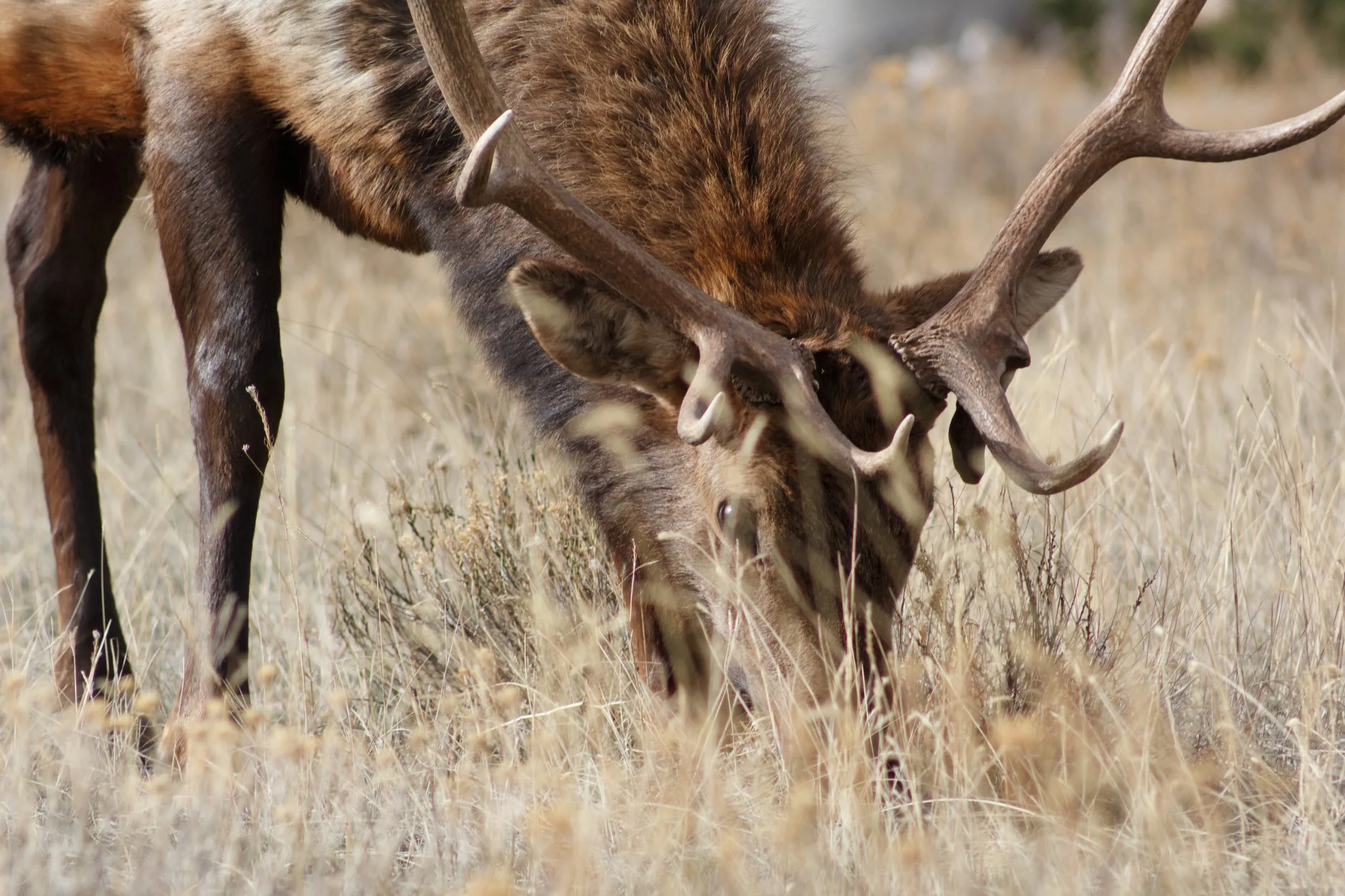
Ask any veteran Montana elk hunter what separates a filled tag from a long walk out empty-handed, and most of them will tell you the same thing: it’s not the shot, it’s the find. Locating elk fast — especially on sprawling public land like the Bob Marshall Wilderness, the Beartooths, or the breaks of eastern Montana — is the skill that actually decides your season. Backbone Unlimited put together a video that cuts straight to that problem, and it’s worth an hour of your summer couch time before you’re standing on a dark trailhead in September wondering where to go.
Here in Montana, those first 48 hours carry extra weight. Whether you’re hunting a general deer and elk district or you drew a coveted B license for a limited unit, burning Day 1 and Day 2 wandering aimlessly is a hole you often can’t climb out of. Montana Fish, Wildlife & Parks structures most general elk seasons around a short archery window starting in early September, followed by the general rifle season opening in late October — and both of those openers come with conditions that punish hunters who show up without a plan. Early archery season means thermals matter, elk are still in summer patterns transitioning to rut, and unpressured bulls can disappear into dark timber inside of an afternoon. Rifle season brings different pressure — other hunters pushing animals, weather systems moving elk out of entire drainages overnight. In both cases, a systematic approach to locating animals in that first window is the difference between eating tag soup and packing out quarters.
What Backbone Unlimited lays out isn’t revolutionary magic — it’s disciplined, repeatable process, which is exactly what most hunters skip in favor of gut feeling and boot leather. If you’re hunting somewhere like the Gravelly Range, the Cabinets, or a chunk of BLM in the Missouri Breaks, the principles here apply directly: identify travel corridors, understand how pressure from other hunters reshapes elk movement, and stop covering ground randomly. Montana’s public land is massive and mostly accessible, but that’s also the trap — there’s so much country that hunters spread thin and never commit to working one area with enough patience and intelligence to crack it.
With Montana’s archery elk season less than two months out, now is exactly the right time to be thinking about this stuff — not the morning of opening day. Watch this one, take notes, and then pull up OnX and start putting the concepts to work on the unit you’re hunting this fall. The elk don’t care how many miles you walked. They care whether you found them.
Montana's outdoor week, in your inbox at 7am Friday.