
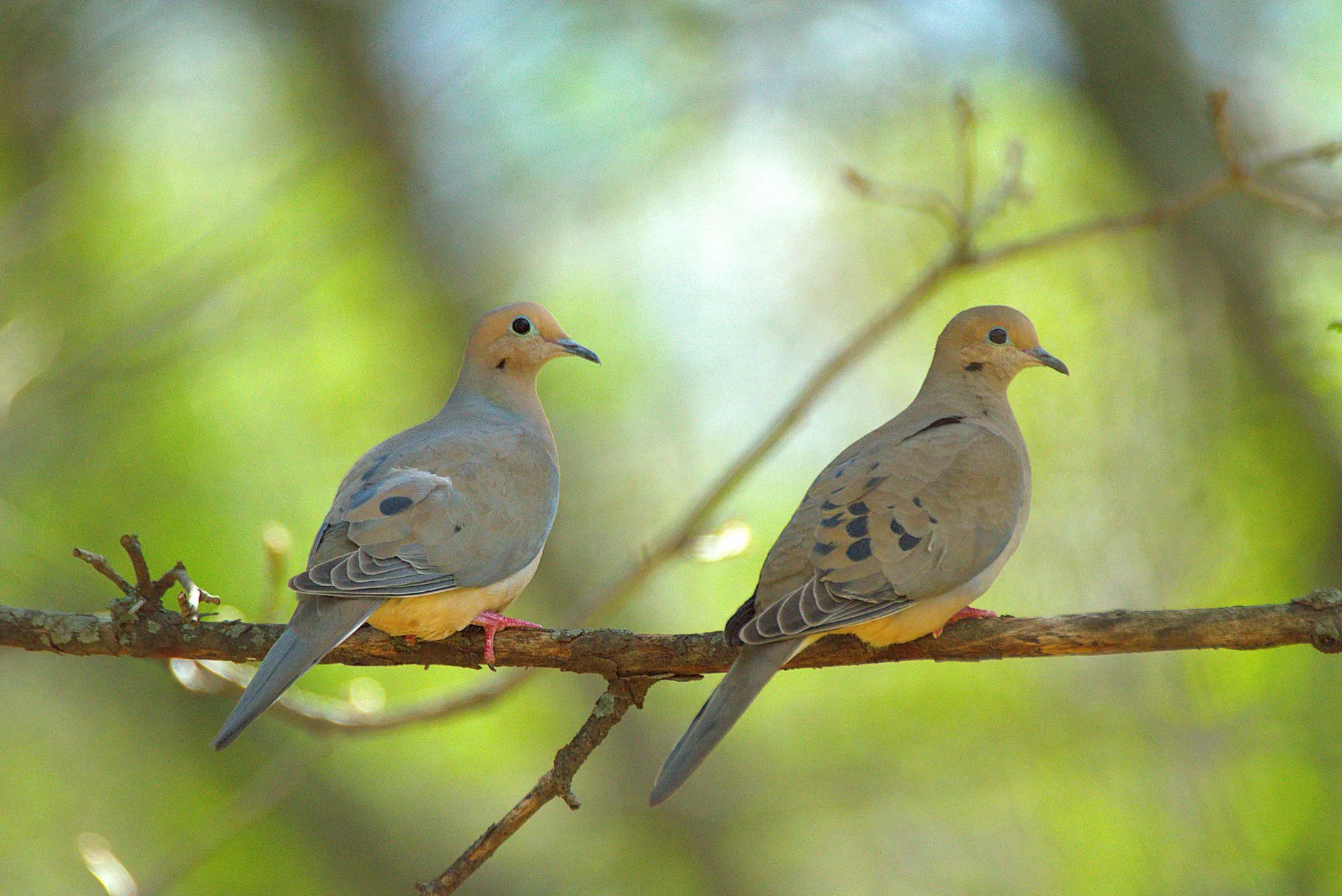
Seventeen days. That’s all the time left to put boots on the ground before Montana’s mourning dove season opens September 1. In a normal year, you could revisit last year’s honey holes with reasonable confidence. This is not a normal year. Drought conditions across much of Montana in 2026 have reshuffled water sources, stressed grain crops unevenly, and concentrated birds in ways that’ll catch plenty of hunters flat-footed if they don’t scout before the opener.
Here’s what you need to know to hunt smarter — not just harder — this September.
How Drought Changes Dove Behavior
Mourning doves are creatures of habit, but that habit is anchored to three things: food, water, and grit. When drought dries up stock ponds and seasonal wetlands, doves don’t disappear — they compress around whatever water remains. Honestly, that’s actually good news for hunters willing to do the legwork, because concentrated birds mean better shooting once you find the right location. The hard part is that last year’s reliable tank or creek-fed pond may be nothing but cracked mud by the time you pull up.
In this dry 2026 summer, look for doves pushing toward dependable water: irrigation canals along the Yellowstone and Musselshell drainages, stock reservoirs fed by consistent well water, and river-bottom cottonwood corridors near the Missouri, Milk, and Sun rivers. Anywhere irrigation keeps the ground moist and grain standing, you’ll find birds.
County-by-County Breakdown: Where to Focus
Eastern Montana — Prairie Counties
Richland, Roosevelt, and Dawson counties traditionally hold Montana’s strongest dove numbers, and drought years push birds even harder into the Yellowstone and Missouri river corridors than usual. Sunflower fields near Sidney and Glendive are consistent producers when the crop makes it to maturity — but in a dry year, skip the dryland fields that stunted out and focus on anything that got irrigation water. Birds will concentrate there. The Milk River corridor through Phillips and Valley counties deserves serious attention too. That irrigation infrastructure keeps water moving even when every prairie pond around it has gone to dust.
Central Montana — The Golden Triangle
Chouteau, Hill, and Teton counties are the heart of Montana grain country, and mourning doves follow the wheat and barley stubble after harvest. Most years that harvest runs through August, and birds pile into cut fields to glean. In drought years, the ones that would normally scatter across the landscape bunch up near whatever stock water is left. Scout reservoir roads and pivot-irrigated fields near Havre, Shelby, and Choteau. The Sun River drainage west of Great Falls can also hold surprising numbers of birds in the cottonwood belts — it’s an area that doesn’t get talked about enough for doves.
South-Central Montana — Billings to Hardin
The Yellowstone corridor from Billings down through Bighorn County is prime dove country that gets overlooked every year by hunters with their heads in elk or pronghorn season. Sunflower acreage in the Bighorn Basin and grain stubble near Hardin and Crow Agency can hold birds well into September. Water is the deciding variable in 2026 — scout the irrigation ditches and any stock ponds that still held water through July before you commit to a spot.
Block Management: Your Access Edge
Montana FWP’s Block Management program opens significant private acreage to public hunting, and several enrolled properties in eastern and central Montana sit right next to the grain and water combinations doves need. Before you drive four hours on a hunch, pull up the Block Management Atlas on the FWP website — it’s updated annually and shows enrolled properties by hunting district.
Don’t assume every Block Management property activates on day one. Some have restrictions on party size, access dates, or require check-in at a specific location, and not every enrolled property opens September 1 just because dove season does. Call the landowner or the FWP Block Management coordinator for your target district before you show up at the gate. Two minutes on the phone saves a wasted day.
Walk-in access areas administered through USDA Farm Service Agency are another underused option in grain country. They’re typically marked with brown signs along county roads and can put you in crop stubble without the need to knock on a single door.
Licenses: What Nonresidents Must Know
Montana requires a valid hunting license to pursue mourning doves. Nonresidents need a nonresident hunting license, and dove hunting falls under small game in Montana regulations. You’ll also need a current federal Harvest Information Program (HIP) registration — it’s free, mandatory, and takes about two minutes online or at any license vendor. Don’t skip HIP registration. It’s a federal requirement for all migratory bird hunters, resident and nonresident alike, and it’s the kind of thing that turns an otherwise clean hunt into an expensive conversation with a warden.
Bag limits, possession limits, and any late-breaking regulatory changes for the 2026 season should be confirmed directly with Montana FWP at fwp.mt.gov before you head out. Regulations can shift, and this article doesn’t substitute for reading the current migratory bird rules yourself.
Scout Now — This Week
In my experience, the hunters who kill doves consistently in September are the ones who spent an August evening watching a field — not the ones who rolled up cold on opening morning hoping their memory from last year still holds. Find the water first. Then find the food. Then figure out where birds are flying between the two. That’s your shooting lane.
Bring binoculars, a county plat map or an onX layer showing land ownership, and the patience to sit on a hilltop at dusk and just watch. Doves are visible. They’ll show you exactly where they want to be if you give them an evening before September 1 to do it.
Confirm current regulations, license requirements, and Block Management property access at fwp.mt.gov before your hunt. HIP registration is required for all migratory bird hunters and is available through the same portal.
Montana's outdoor week, in your inbox at 7am Friday.