
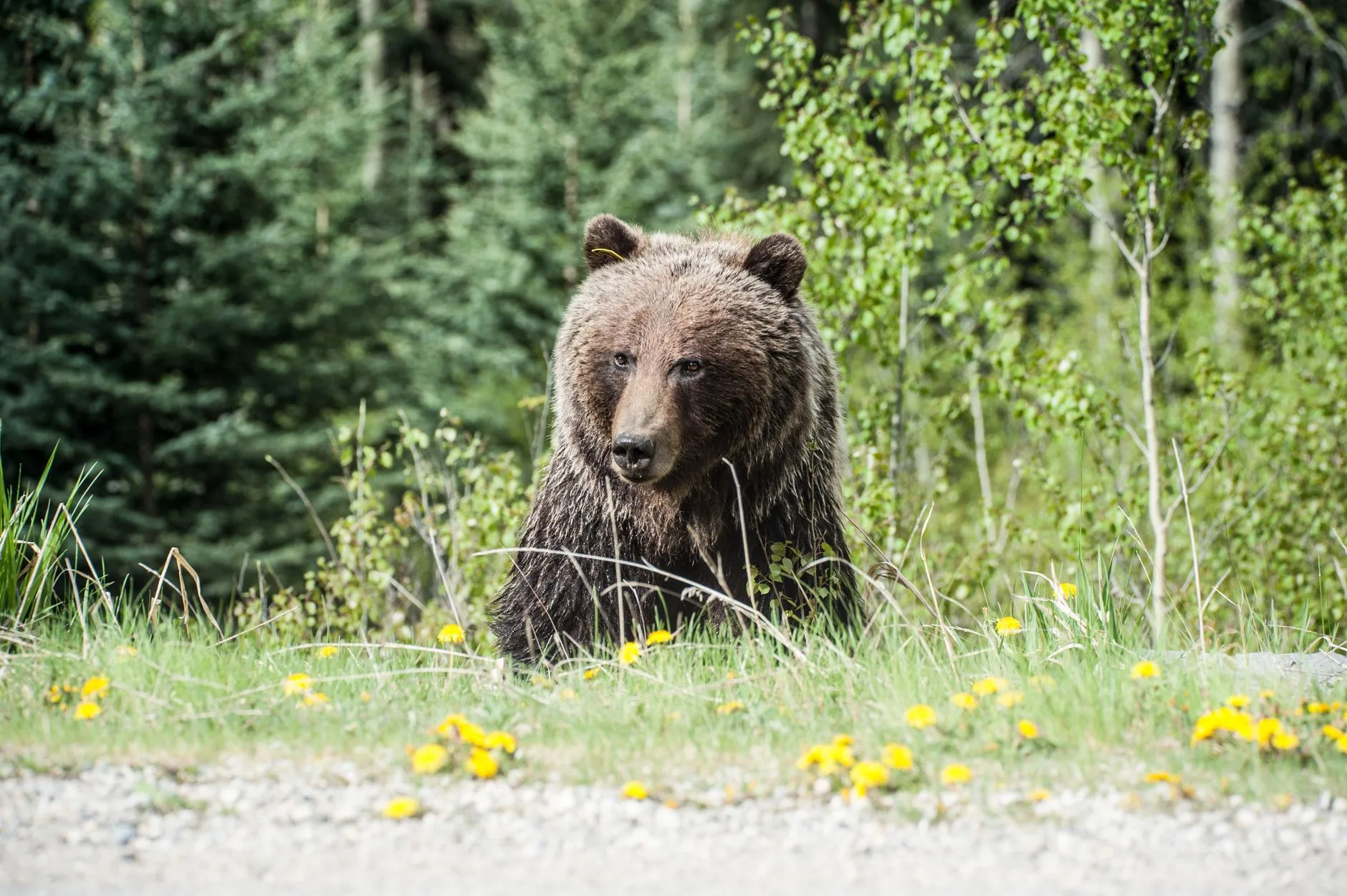
Eighty-two grizzlies dead in a single year. That’s not a blip — that’s a record, and it’s one every hunter and rancher operating near the Greater Yellowstone Ecosystem needs to sit with for a minute.
As of late October 2026, the Greater Yellowstone Ecosystem has logged more grizzly deaths than any other modern year on record, topping the previous three years that each set their own records. For Montana hunters and landowners dealing with increased bear activity on ranches, hunting camps, and backcountry elk spots, the numbers tell a complicated story about where grizzly management is headed.
The Numbers Behind the Record
About 65% of the deaths logged so far were human-caused — which is typical. But the breakdown tells you what’s actually happening on the ground. Twenty-seven grizzlies were killed for cattle and livestock depredation. Twelve died accidental deaths, eleven died naturally — mostly bear-on-bear killings — and six were illegal poaching incidents.
That livestock depredation number hits close to home for Montana’s ranching communities. It’s running 1.6 times higher than the long-term average, and it reflects what anyone who’s spent time in the Shields Valley or Paradise Valley already knows: grizzlies are pushing farther out from core habitat, and conflicts with cattle operations are getting worse, not better.
Why Hunters Should Pay Attention
If you’re elk hunting in southwest Montana — the Gravellys, the Madisons, the Gallatin Range — the expanding grizzly range affects your season in ways that aren’t abstract. More bears mean more careful meat handling, more vigilant camp protocols, and more incidents where hunters show up to a carcass and find they’ve got company. Big, dangerous company.
Self-defense killings and mistaken identity incidents during black bear hunts came in below average this year, which suggests hunters are doing their homework. Good. But as grizzly densities increase along the ecosystem periphery, the margin for error keeps shrinking. Know what you’re looking at before you pull the trigger. A color phase black bear and a young grizzly can fool you fast, especially in low light.
The accidental death category — twice the average this year — largely comes down to vehicle strikes on highways cutting through bear habitat. If you’re driving home from a hunting trip at dawn or dusk on Highway 191 or Highway 89, slow down. That shape at the edge of your headlights isn’t always a deer.
What Biologists Are Saying
Wildlife managers aren’t panicking, and here’s why: the population is absorbing these losses without declining. According to Wyoming Game and Fish, over 300 grizzly cubs are born in the Greater Yellowstone Ecosystem every year, which is more than enough recruitment to offset current mortality levels.
Former Grizzly Bear Recovery Coordinator Chris Servheen flagged something that’s easy to miss in the headline numbers — natural bear-on-bear deaths ran nearly 400% higher than average this year. That sounds alarming, but it’s not a crisis. It’s classic density-dependent population regulation. As grizzly numbers climb, adult males kill more subadults, which naturally puts a brake on population growth. The bears are managing themselves.
Adult female survival — the number that actually tells you whether a population is healthy — remained strong, especially in the core demographic monitoring area. Only one adult female was killed in an agency action within that zone all year. Honestly, for a record mortality year, that’s a significant detail that tends to get buried.
The Bigger Picture for Montana
These numbers land at a loaded moment. Wyoming, Montana, and Idaho are gearing up for a third attempt at removing grizzlies from the threatened species list under the Endangered Species Act. The 2007 and 2017 delisting attempts both got reversed by courts, but state managers argue — and the population data largely supports — that the recovery has gone far enough to hand management back to the states.
For Montana hunters, state control could eventually mean grizzly hunting seasons like what existed before federal protections. We’re not there yet. The current mortality data will get picked apart by both sides of the delisting debate, and you can count on every one of these 82 deaths showing up in someone’s legal brief. In my experience, the path from “population recovered” to “season open” in grizzly country involves a lot of courtrooms before it involves any tag applications.
In the meantime, U.S. Fish and Wildlife Service is finalizing rules that give states more management latitude even under threatened status. That likely means Montana Fish, Wildlife & Parks gets more tools to address conflicts without waiting months for federal sign-off every time a bear tears through someone’s calf operation near Dillon or Ennis.
What You Can Do
Whether you’re packing into elk country in the Gravellys, floating the Madison near Yellowstone in the off-season, or running cattle in Paradise Valley, grizzly awareness isn’t optional anymore — it’s just part of operating out here. Carry bear spray and know how to use it. Hang your meat properly or run portable electric fencing around your camp. And report encounters to Montana FWP. Managers can only respond to conflicts they know about, and accurate location data matters when they’re trying to track where the pressure points are building.
The record mortality numbers don’t mean the grizzly population is collapsing — every biologist looking at this data says the trajectory is stable. What they do mean is that the overlap between grizzly range and human activity keeps growing. These bears aren’t retreating back into Yellowstone. If you’re spending time in their country, build your habits accordingly.
Source inspiration: WyoFile
Montana's outdoor week, in your inbox at 7am Friday.