
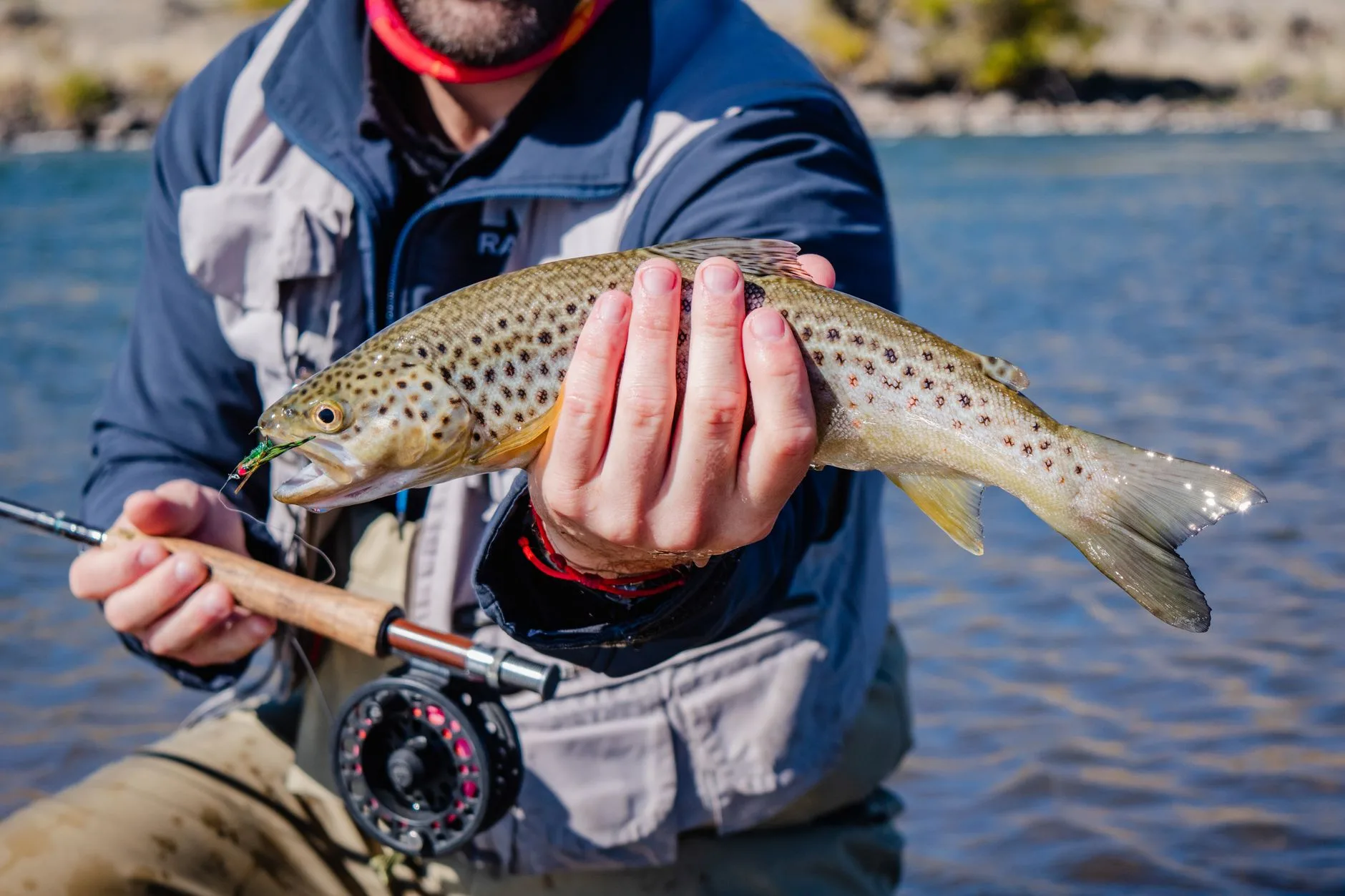
The late-June problem every Montana angler knows
By the fourth week of June, the calendar says summer but a lot of Montana freestone rivers are still carrying dirty, pushy water from snowmelt at higher elevations. The Blackfoot, the upper Clark Fork, the West Fork of the Bitterroot, and the big drainages feeding the Yellowstone can stay off-color and unwieldy well into July in a heavy snow year. The good news: you don’t have to sit at home waiting for clarity. You just have to move your strategy and, often, your location.
This is a practical guide to staying on fish while the snow finishes coming out of the high country.
Read the water before you load the truck
Before committing to a drainage, check the USGS streamflow gauges (waterdata.usgs.gov) and your local fly shop reports. Two numbers matter most: discharge (CFS) trending down day over day, and clarity. A river that’s dropping and clearing fishes far better than one spiking after a warm night in the peaks. If overnight lows stay below freezing at elevation, runoff slows and rivers clean up; a warm, rainy stretch does the opposite.
- Falling and clearing: go fish it.
- Rising or chocolate-milk brown: pivot to a tailwater or stillwater.
- Green tint, 1-2 feet of visibility: prime streamer and big-bug conditions.
Tailwaters: the runoff insurance policy
Dam-controlled rivers stay fishable when freestones blow out, because flows are regulated rather than driven straight off the snowpack. These are your dependable late-June destinations.
The Missouri below Holter
The stretch from Holter Dam down through Craig is the classic Montana runoff refuge. It runs clear and cold when everything around it is high, and late June often brings strong PMD and caddis activity along with reliable nymphing through the riffles. Expect company on weekends — and respect the wade and boat traffic.
The Bighorn below Yellowtail
Down in south-central Montana, the Bighorn out of Fort Smith is one of the most consistent trout fisheries in the state and is largely insulated from snowmelt chaos. Sowbugs, scuds, and small mayfly patterns carry the day, and the river holds big numbers of fish per mile.
The Madison
The Madison below Hebgen and Quake Lake holds clarity better than nearby freestones and is a strong bet when the Gallatin or the Yellowstone are pumping mud.
Spring creeks and small clear tributaries
While a main river runs high, its smaller, lower-elevation tributaries and spring creeks often stay clear. Paradise Valley’s famous spring creeks fish on a different clock than the Yellowstone roaring past them. Smaller foothill streams that don’t drain big snowfields can offer wade-friendly, fishy water when the marquee rivers are unfishable. Mind access rules and any closures, and don’t trespass to reach water.
Go stillwater: lakes are at their best
Late June is arguably the best lake fishing of the year while rivers sort themselves out. Cold-water species are active near the surface before summer heat pushes them deep.
- Mountain and reservoir trout: Georgetown Lake, the glacial lakes of northwest Montana, and high-country lakes warming out of ice offer dependable action on leeches, chironomids, and Callibaetis.
- Warmwater options: Prairie and reservoir fisheries for walleye, pike, and bass are heating up across central and eastern Montana — a smart pivot if your home river is brown.
Fish dirty water better when you do fish it
Sometimes the off-color freestone is your only option, or you simply love the challenge. Adjust accordingly:
- Fish the edges. In high water, trout slide out of the heavy current and tuck into soft seams, inside bends, flooded grass lines, and behind structure. The middle of the river is often empty.
- Go bigger and darker. Worms, large stonefly nymphs, and big dark or bright streamers give fish something to find in low visibility.
- Get down. Add weight and fish slower than you think; the strike zone is tight against the bank.
- Use vibration and contrast. Rubber legs, flash, and bulk help fish locate your fly when they can’t see far.
Safety: high water is no joke
Late-June flows are cold and powerful. Every year Montana loses people to spring runoff.
- Wear a PFD in a boat, and consider one for high-water wading.
- Wade conservatively — if you can’t see the bottom and the current is shoving your legs, get out.
- Watch for floating debris and newly fallen trees (strainers) on freestones.
- Tell someone your plan and expected return.
Mind the rules and the resource
Regulations vary by river section and change year to year, including seasonal closures, hoot-owl restrictions during hot, low-water periods later in summer, and species-specific rules. Always confirm current seasons, limits, and any restrictions with Montana Fish, Wildlife & Parks (fwp.mt.gov) before you fish. Clean, drain, and dry your gear between waters to prevent the spread of aquatic invasive species, and handle and release fish quickly in warming water.
The bottom line
Runoff isn’t a reason to stay home — it’s a reason to be a smarter angler. Watch the gauges, lean on tailwaters and stillwaters when the freestones are blown, and when you do fish high water, downsize your expectations of distance and upsize your flies. By the time the rivers drop and clear in July, you’ll have stayed sharp instead of sitting on the couch.
Montana's outdoor week, in your inbox at 7am Friday.