
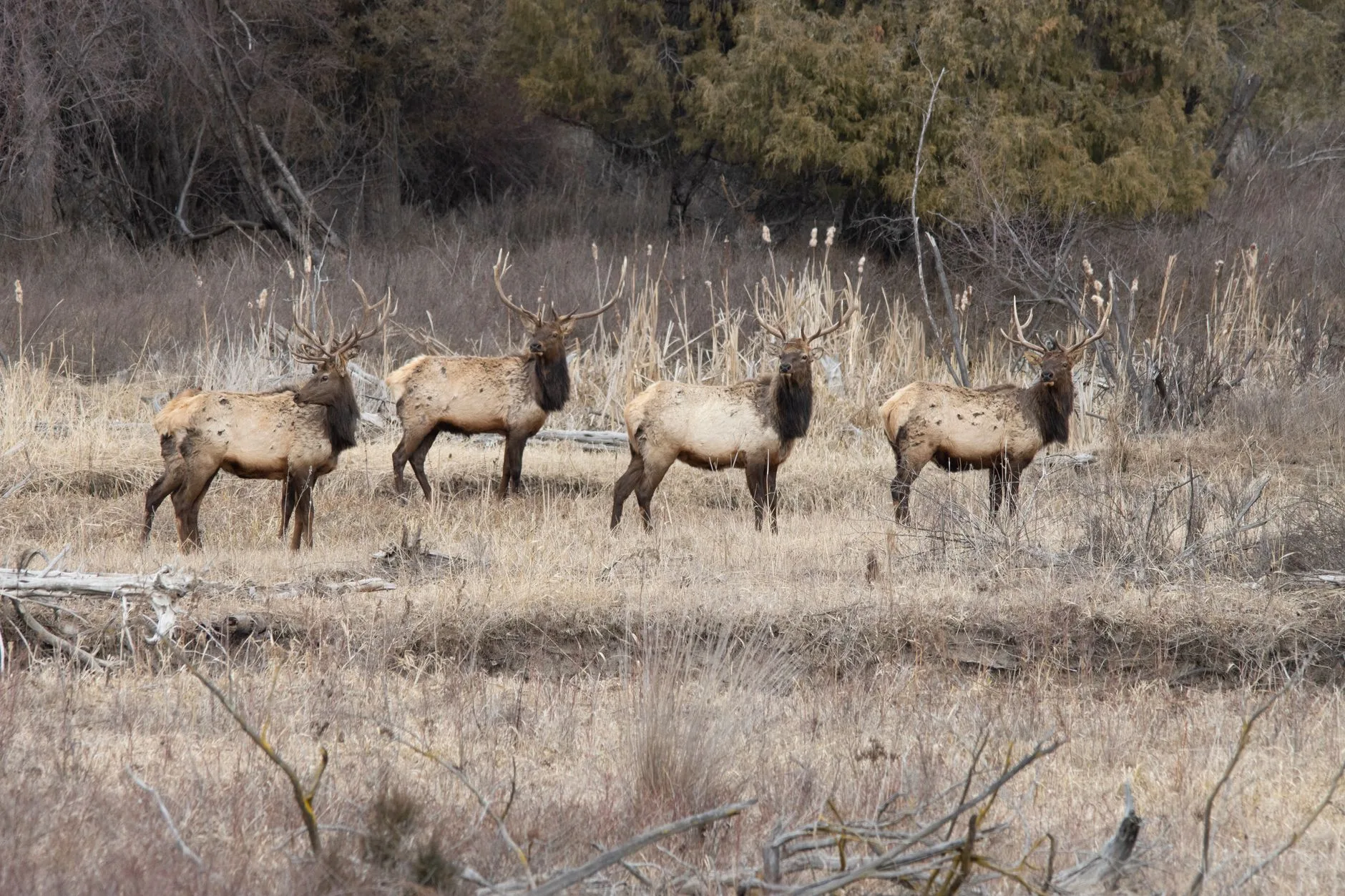
If you’ve ever written a check to the Rocky Mountain Elk Foundation and wondered exactly where that money goes — or you’ve simply driven past the RMEF campus off Grant Creek Road in Missoula and never stopped in — this video from Eberlestock is worth 20 minutes of your evening. The gear company made the trip to Montana’s second-largest city to get a firsthand look at what one of the West’s most impactful conservation organizations actually does when nobody’s watching.
Why RMEF Matters to Montana Hunters Specifically
For Montana hunters, RMEF isn’t just a bumper sticker — it’s one of the most tangible reasons we still have elk to chase every September. Since its founding in Missoula back in 1984, the organization has conserved or enhanced over 9 million acres of elk habitat across the West, a significant chunk of that right here in Montana. Think about the country you hunt — the Bitterroot, the Blackfoot drainage, the Missouri Breaks — there’s a reasonable chance RMEF had a hand in keeping some of that ground accessible or in better shape than it would’ve been otherwise. That’s not marketing language. That’s the record.
The video hits on several of the foundation’s core conservation strategies, and for Montana hunters it’s worth understanding what those actually look like on the ground:
Habitat Work That Shows Up Where You Hunt
A big focus in the Eberlestock visit is prescribed fire and post-fire habitat restoration — work that directly affects elk range across western Montana. After the burn cycles that have reshaped drainages from the Swan Valley to the Selway-Bitterroot Wilderness, elk behavior shifts. Animals move to new winter range, browse patterns change, and hunters who don’t adapt get left behind. RMEF’s restoration crews work to accelerate recovery in burned areas, replanting native grasses and shrubs that elk depend on through late October and into the rut.
Winter range protection is another thread that runs through the video. Montana’s elk herds — including the heavily hunted Northern Yellowstone and Bitterroot populations — face consistent pressure from development encroaching on low-elevation winter ground. When elk can’t access traditional wintering areas in river drainages like the Clark Fork, Gallatin, or Judith River corridors, herd health suffers going into the following hunting season. RMEF has worked to secure conservation easements on thousands of acres of private winter range in Montana, keeping those corridors functional without necessarily requiring public ownership.
Public Land Access: The Fight You Don’t Always See
The video also touches on RMEF’s access and acquisition work, which may be the piece that matters most to the average Montana elk hunter. Landlocked public land — federal or state ground with no legal access route — is a persistent problem across the state. RMEF has worked with Montana Fish, Wildlife & Parks and the U.S. Forest Service to open legal access corridors, whether through easements across private land or outright acquisition of inholdings that would otherwise block entry to backcountry units.
If you’ve ever pulled up onX and seen a patchwork of public and private land between you and a promising drainage, you understand the problem. Access work is slow, expensive, and unglamorous — which is exactly why it doesn’t make many highlight reels. Seeing RMEF staff walk through how those deals get structured is one of the more useful parts of this video for hunters who want to understand where their membership dollars go.
Practical Takeaways for Montana Elk Hunters
Whether you hunt general season — which typically opens the last weekend of October in most Montana districts — or you’re applying for one of the state’s limited-entry permits in units like 150 or the Missouri Breaks, a few things from this video are worth acting on before next fall:
- Check RMEF’s public land project map. The foundation maintains records of completed habitat and access projects by state. If you hunt specific drainages in Montana, it’s worth knowing whether RMEF has active or completed work in those areas — it can tell you something about where elk are likely to be moving and why.
- Membership has a direct return. Montana RMEF chapters host local banquets that fund in-state projects. Joining or attending a local chapter event keeps dollars closer to the ground you actually hunt.
- Habitat = scouting intel. Areas where RMEF has completed prescribed burns or replanting projects in the last two to five years often see strong elk use as vegetation recovers. Early-successional growth after fire is some of the best elk feed in the West — knowing where that work happened gives you a legitimate scouting edge.
Two Outfits That Exist Because Elk Exist
Eberlestock builds packs designed specifically for backcountry elk hunters, so the pairing here makes sense — two outfits that exist because elk exist. What makes this video stand out is that it isn’t a polished fundraising pitch. It’s a working field day, with real conversations and an honest look at the nuts and bolts of conservation that doesn’t always show up in the highlight reel. For anyone who picks gear with intention and buys licenses knowing the money matters, this one is worth your full attention. And if you haven’t become an RMEF member yet — fair warning — this video has a way of fixing that.
Montana's outdoor week, in your inbox at 7am Friday.