
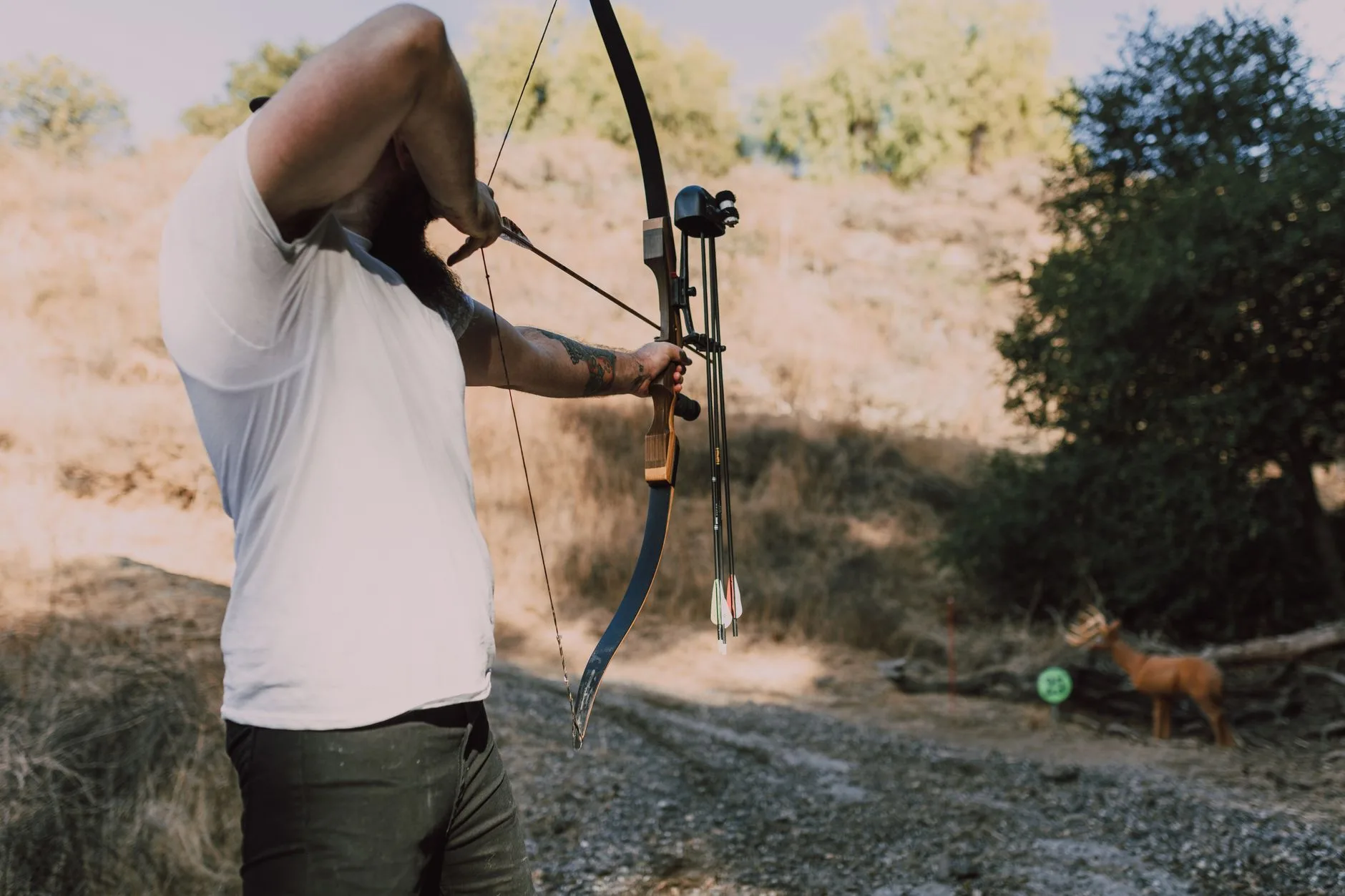
Most bowhunters blow their best spots in the first three days. Don’t be that guy.
Montana’s archery elk season opens in early September, and if you’ve spent July and August glassing velvet bulls on summer range, you’re sitting on intel that has a short shelf life. The moment hunters start pushing into the hills, elk patterns shift. Your job in the first week is to move fast on what you know, stay disciplined on calling, and not tip your hand before the rut gives you an edge. Here’s how to make the most of that narrow opening window.
What Bulls Are Doing in Early September
The first week of archery season falls squarely in the pre-rut. Bulls are still in or near their summer bachelor groups, but testosterone is climbing and velvet is shedding. In the Bob Marshall Wilderness, the Beartooths, and the high drainages above the Bitterroot Valley, bulls at this stage are feeding heavily — building reserves before the rut burns them down. They’re still reasonably predictable: high parks and meadows at first and last light, timber and north-facing benches through the heat of the day.
That predictability is your biggest asset, and it won’t last long. By mid-September, when the rut kicks into gear, elk behavior gets reactive and scattered. In the first week, you’re still hunting feed-to-bed patterns. Use that while you can.
Convert Your Scouting Into a Game Plan
If you’ve been running trail cameras or putting boots on the ground near the Sun River, the Gallatin, or the upper Blackfoot drainages this summer, now is the time to commit to a specific location rather than staying general. Pick the best two or three feeding areas you’ve confirmed with your own eyes — not assumptions, not rumors — and build your access plan around wind and thermals, not convenience.
In Montana’s mountain terrain, thermals are your calendar. Cold air drains downhill in the morning until the sun warms the slopes, then thermals push upward through the afternoon. Set up your approach and your stand locations accordingly. A bull that’s been bedding on a north-facing ridge above a high meadow near the Chinese Wall or out in the Gravelly Range isn’t going to tolerate a hunter who walks in wrong twice. You’ll burn the spot fast, and then you’re starting over with nothing.
Access Realities on Public Land
Montana has more elk hunting opportunity on public land than almost anywhere in the lower 48, but the accessible stuff gets hammered fast. If your plan involves a trailhead off Highway 83 in the Swan Valley or a Forest Service road north of Dillon, expect company opening week. Honestly, the hunters who consistently kill early-season bulls aren’t necessarily going farther — they’re going quieter and smarter. A two-mile walk off a secondary drainage that most rigs blow past can put you on elk that haven’t been bumped once.
Check road closures and wilderness boundaries before you go. Motorized access rules vary by unit and by designated wilderness area, and the regulations change year to year. Confirm current access restrictions with the relevant Forest Service district and verify your season dates and unit boundaries with Montana FWP before you leave the driveway. Don’t assume last year’s rules still apply.
Calling in the First Week: Less Is More
This is where a lot of bowhunters blow it. You’ve watched the bugling giants on YouTube and you want that experience — but hammering a bugle tube on September 4th in most Montana units is going to educate elk, not fire them up. Bulls are not yet in full rut aggression mode. They’re not looking for a fight, and a loud, challenging bugle from an unknown direction reads as a threat, not an invitation. You’re not starting a conversation. You’re starting a retreat.
In the first week, soft cow calls and light contact mewing are your primary tools. If you locate a bull at distance — say you’ve glassed him across a basin in the Madison Range at first light — use a soft estrus whine or cow chirp to pull him toward a natural pinch point rather than charging straight at him. Let him think he’s the one doing the hunting. That’s the whole game right there.
If you’re going to bugle at all, use a location bugle to get a response and find out where bulls are holding. Once you have a fix, go quiet and work the terrain. Blind calling from a random ridge burns more opportunities than it creates this early in the season.
Early September Conditions: Gear and Physical Prep
Early September in the Montana mountains is not November. Temperatures can swing from freezing nights to warm afternoons, and during a dry year the forest is loud and crunchy underfoot. Slow way down. Still-hunting in dry conditions requires a level of patience most hunters underestimate — figure on covering far less ground than you think you need to, and be okay with that.
Elk will be moving early and late. Warm midday temperatures push them deep into timber, and wandering aimlessly through the heat of the day usually just burns energy and bumps animals. Use that time instead to close distance to a known bedding area, get the wind sorted, and be in position for the evening feed. Patience in the middle of the day is as important as aggression at the edges of light.
Keep your pack weight manageable enough to move quietly. Backcountry archery elk hunting in units like the Anaconda-Pintler or the Bob Marshall is physically demanding, and hunters who show up undertrained struggle to capitalize when the moment comes. Your shot opportunity may arrive after miles of hard hiking at elevation. In my experience, most guys know they’re not fit enough and go anyway — and then watch a bull walk because they needed thirty seconds to catch their breath. Be ready before you need to be.
The First Week Sets the Tone
Treat opening week as an investment in the whole season. Burn your best spots chasing marginal opportunities and you’ll spend the rest of September recovering ground you never had to lose. Move carefully, call sparingly, and let the elk tell you what they’re doing before you commit hard to any one setup. The rut is coming — and when it does, everything changes. But for this first week, patience and precision put more tags in the freezer than aggression ever will.
Montana's outdoor week, in your inbox at 7am Friday.