BRETT FRENCH | bfrench@billingsgazette.com
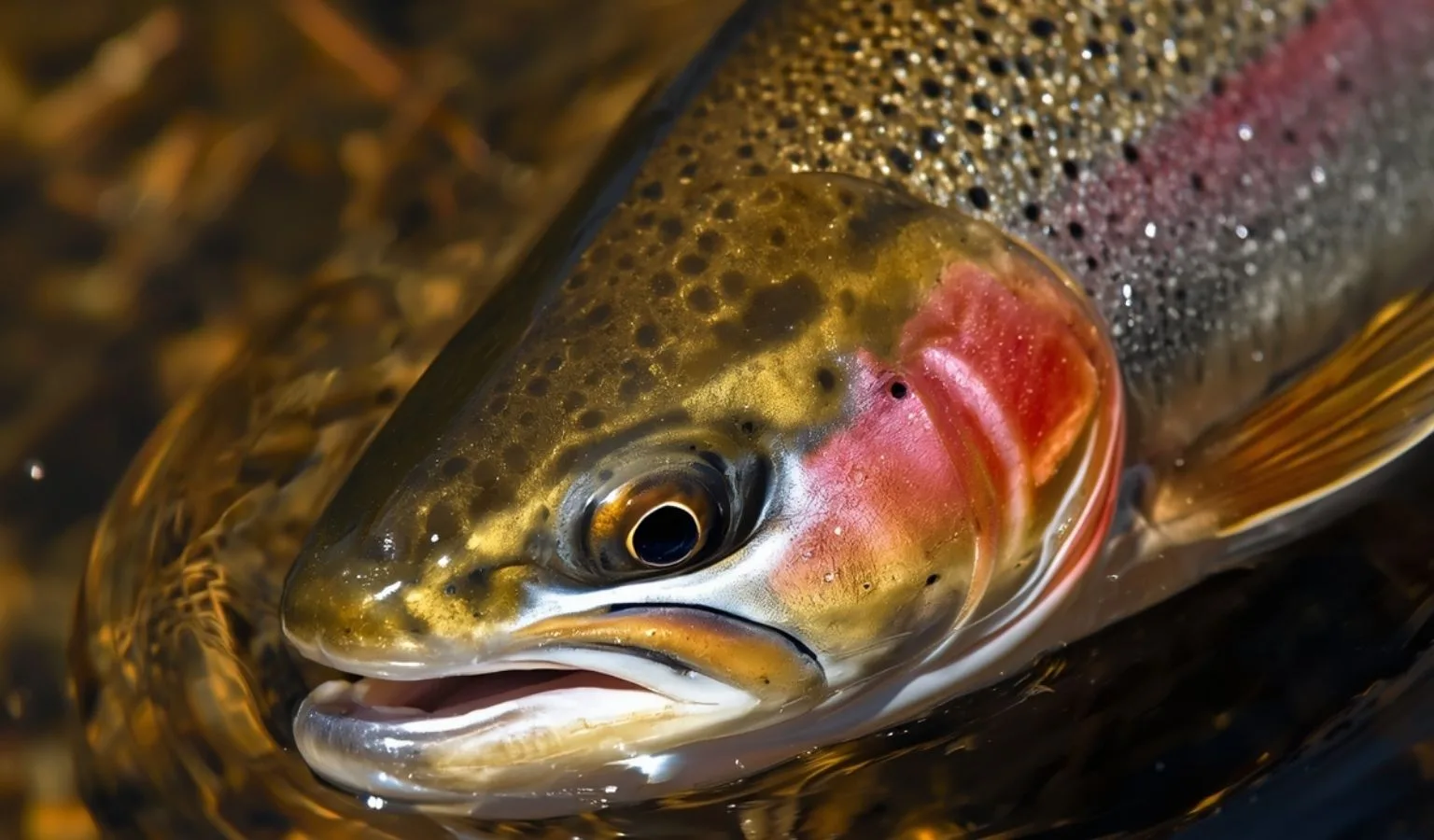
Yellowstone National Park fisheries staff will begin poisoning nonnative rainbow trout in Buffalo Creek on Aug. 31, although a 2023 federal judge’s ruling halted a connected project farther upstream in the Absaroka-Beartooth Wilderness.
For Yellowstone National Park, Buffalo Creek remains the last piece of a long-term native fish restoration puzzle, but treating just the lower portion of the stream doesn’t solve the park’s problem if rainbow trout are continually flushed downstream from the wilderness.
Todd Koel, leader of Yellowstone’s Native Fish Conservation Program, said in an email that even though rainbow trout will be able to repopulate the lower 13 miles of Buffalo Creek by swimming from above, the poisoning project would still “eliminate the harmful fish within park boundaries and dramatically slow the rainbow trout invasion of lower Slough Creek and Lamar River, thereby preserving native Yellowstone cutthroat trout.”
“Removal of the rainbow trout source population in Buffalo Creek is key to ensuring the long-term persistence of Yellowstone cutthroat trout in the Lamar River watershed,” the Park Service said in a press release.
If a population of rainbow trout re-establishes in Buffalo Creek, “the park may consider additional treatments to remove the invasive fish,” Koel added.

Poisoning begins Aug. 31
For now, the park plans to close Buffalo Creek to anglers from Aug. 31 until Sept. 7 to use a fish poison, called rotenone, to kill rainbow trout in the stream. Few native cutthroats live in the lower reaches of the creek, the Park Service said. But any captured through electro-fishing prior to the poisoning will be moved to other waters, the agency said.
Signs will be posted during the project. “The treatment will not affect the potability of water at Slough Creek Campground and will be safe to drink,” the Park Service said.

Restoring Yellowstone cutthroat
This project, along with several others, was first identified as a priority in Yellowstone’s 2010 Native Fish Conservation Plan. The goal is to protect Yellowstone cutthroat trout, the only trout species native to the park.
The fish now occupies less than half of its historic stream habitat. Rainbow trout compete for habitat with the native fish and will also interbreed. The hybrid offspring are believed to be less capable of surviving.
In 2021, the Park Service, Forest Service and Montana Fish, Wildlife & Parks agreed on a plan to eliminate rainbow trout from the entire Buffalo Creek drainage, about 39,000 acres (61 square miles), in which they were first planted in the 1920s. About 12,000 acres (18 square miles) of Buffalo Creek is within the park.
The cooperative project was halted after Wilderness Watch successfully sued, arguing the use of helicopters and other equipment on the Custer Gallatin National Forest wildlands violated the Wilderness Act’s provisions.
Wilderness court fight
The Forest Service has appealed the decision, arguing the fish-poisoning project would further conservation use of the wilderness when Yellowstone cutthroat trout are restocked in the upper portions of the creek.
One of the arguments for protecting the fish’s habitat is the threat of climate change, highlighting the importance of coldwater streams that provide a refuge for the species.
On Aug. 19, Wilderness Watch filed its brief with the 9th Circuit Court of Appeals to uphold the decision. In its filing, the group argued the “project does not further a valid ‘conservation’ purpose” in the wilderness.
Since Yellowstone cutthroat trout were not historically present in the upper watershed, removing rainbow trout and stocking cutthroat does not preserve or protect “anything historically present,” Wilderness Watch said. Instead, restoring wilderness character would mean removing all fish from the creek and the connected meadow beaver ponds and lake to the benefit of native amphibians and insects.
The group also pointed out that Montana, Fish, Wildlife & Parks would not have agreed to be part of the poisoning project on the upper stream if trout were not restocked for recreational anglers.
“So the Forest Service approved a project to degrade and manipulate wilderness primarily to benefit recreational fishing opportunities outside of it,” the legal brief said.

Slough Creek tributary
Buffalo Creek is the largest tributary to Slough Creek which flows into the park’s Lamar River. The Lamar pours across Yellowstone’s Northern Range — an ecologically rich drainage that is home to elk, bison, wolves and bears — before joining the Yellowstone River near Tower Junction.
Other popular angling tributaries to the Lamar include Slough and Soda Butte creeks where the park has attempted to eliminate nonnative rainbow and brook trout.
Across Yellowstone, the Park Service has implemented similar native fish restoration and nonnative fish removal projects on Specimen, Grayling and Elk creeks, as well as in the upper Gibbon River and Goose Lake.
Waterfalls prevent fish from moving up Buffalo Creek, and a fish barrier was installed on Slough Creek in 2017 to prevent rainbow trout from moving up that stream.
“In addition, rainbow and hybrid trout are suppressed upstream and downstream of the barrier by biologists electrofishing and a must-kill regulation for anglers,” the park’s 2023 environmental assessment noted.
Montana's outdoor week, in your inbox at 7am Friday.