
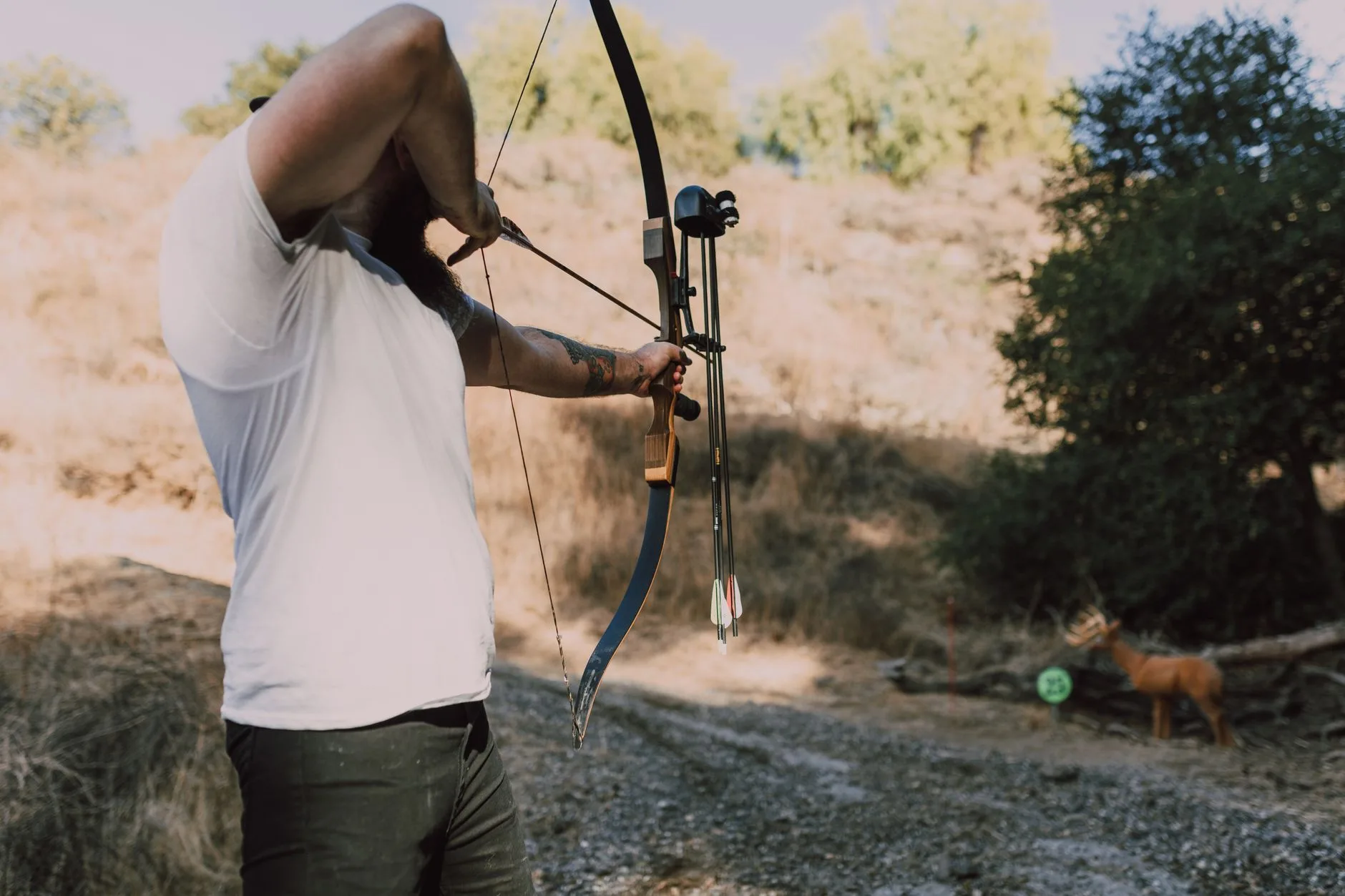
Montana’s early archery elk season is one of the most electric times to be in the timber. Bulls are alive and moving, daylight hours are shrinking, and the air — especially in the high country — carries that first cool bite that tells every elk in the drainage something is about to change. But the early season is not the rut. Not yet. And that distinction matters more than almost anything else when it comes to calling.
Bulls in early September are transitioning. They’ve spent all summer in bachelor groups or solo patterns, packing on weight and keeping a low profile. The velvet is coming off. Testosterone is climbing. The full-blown rut chaos of late September and October is still weeks away, which means your calling approach needs to match where bulls actually are mentally — not where you wish they were.
Here are five elk calling setups that consistently work during Montana’s early archery season, built around the behavioral realities of September bulls.
1. The Soft Cow Call Open — Start Quiet, Stay Patient
The single biggest mistake early-season bowhunters make is calling too aggressively too soon. A screaming challenge bugle in the first week of September is about as natural as a snowplow on the Bob Marshall Wilderness trail in July. Bulls aren’t there yet, and an aggressive call is more likely to educate a mature bull than pull him in.
Start every setup with soft, conversational cow calls. Think mews and soft estrus chirps — sounds that imitate a cow simply feeding and moving through the timber. This approach works because it doesn’t threaten a bull and doesn’t demand a response. It just suggests that there’s a safe, social situation happening nearby.
Use a quality diaphragm call or an external reed call and keep your volume low. In the dark timber of the Swan Valley or the lodgepole drainages north of Lincoln, sound carries farther than you’d expect on a still morning. Less is more. A sequence of three to five soft mews, then silence for ten to fifteen minutes, then repeat, is a proven early-season rhythm.
2. Locator Bugles at First Light — Finding Bulls Without Burning Them
A locator bugle is not a challenge. It’s a conversation starter — a quick, non-aggressive bugle thrown out at first light to get a bull to reveal his position before you commit to a setup. Think of it as reconnaissance before the stalk.
Keep it short and high-pitched, more like a young bull sounding off than a dominant herd bull. The goal is a shock response, not a fight invitation. In open country east of the Divide — the foothills around the Sun River or the Missouri Breaks country — this tactic lets you cover ground efficiently and locate bulls that are still bugling in their early-season, pre-dawn patterns.
Once a bull sounds off, go quiet immediately. Mark his location mentally, back out, and circle downwind before setting up. Don’t call again until you’re in position. Bulls that respond to locator bugles in early September are often curious but not yet committed to charging in. Give them a reason to close the distance on their terms.
3. Timber Setup Geometry — The Wind Triangle
Where you physically set up matters as much as what you’re calling. In Montana’s big timber country — the Lolo National Forest, the Bitterroot drainages, the Blackfoot corridor — a bull will almost always try to circle downwind before committing to a call. He wants to smell what he’s hearing before he shows himself. This is non-negotiable elk behavior, and your setup needs to account for it.
The wind triangle setup works like this: place your caller (whether that’s a partner or your own position before moving) upwind, and position the shooter downwind and to the side, roughly thirty to forty yards off the call. When a bull circles to get his nose into the wind, he walks broadside or quartering-away past the shooter — presenting a shot before he ever reaches the caller’s position.
In heavy timber, elk trails, natural funnels, and saddles between drainages are your best friends. Set up where the terrain forces a bull to approach through a lane you can cover. A bull that commits to circling through a deadfall-choked slope at thirty yards is not the shot you want. Pick your setup for the shot first, then work your calling around it.
4. Open Country Calling — The Patience Game Above Treeline
Montana’s alpine and sub-alpine country — from the Beartooths to the Cabinet Mountains — offers a different challenge. When elk are feeding in open parks or above treeline in early September, calling works differently because bulls can see the source of the sound, or rather, they can see that there’s nothing there.
In open terrain, use topography to hide your approach. Call from behind a ridgeline, from a timbered edge, or from a draw, so that a responding bull is moving toward cover — not an open hillside with no elk visible. Pair your cow calls with the sound of a bull moving: raking a branch, breaking sticks underfoot, or using an antler on a nearby bush. Creating an auditory picture of an elk in the timber’s edge is far more convincing than a disembodied call floating out of thin air.
Patience is amplified in open country. If a bull hangs up at two hundred yards and won’t commit, resist the urge to call more. Try going completely silent for twenty minutes. Bulls in open parks often watch and wait. Make him wonder what happened, and sometimes that curiosity alone is enough to pull him within bow range.
5. Reading a Bull’s Body Language Before You Draw
This isn’t a calling setup in the traditional sense, but it’s the setup that closes the deal — or blows it. Understanding what a bull is telling you with his body language in the final moments before a shot can mean the difference between a successful hunt and a long walk back to camp empty-handed.
A bull that’s relaxed and committed will move steadily, head down or neutral, ears forward. He’s bought what you’re selling. A bull that stops frequently, swivels his ears, or stares hard in your direction is suspicious. If he’s locked onto your position and won’t move, freeze. Don’t call, don’t move, and don’t draw until he looks away or takes another step.
The worst mistake you can make is drawing your bow when a bull is staring at your position. Even in thick cover, elk can detect the slightest movement. Wait for him to turn his head, step behind a tree, or drop his eyes to feed. That’s your window. Early-season bulls are curious but cautious — give them no reason to spook, and let their own body language tell you when it’s time to commit.
Montana’s early archery season demands patience, precision, and respect for the fact that bulls aren’t fully rutted up yet. These five setups work because they match the behavioral reality of September elk. Stay quiet, stay smart, and let the bulls come to you on their terms.
Montana's outdoor week, in your inbox at 7am Friday.