
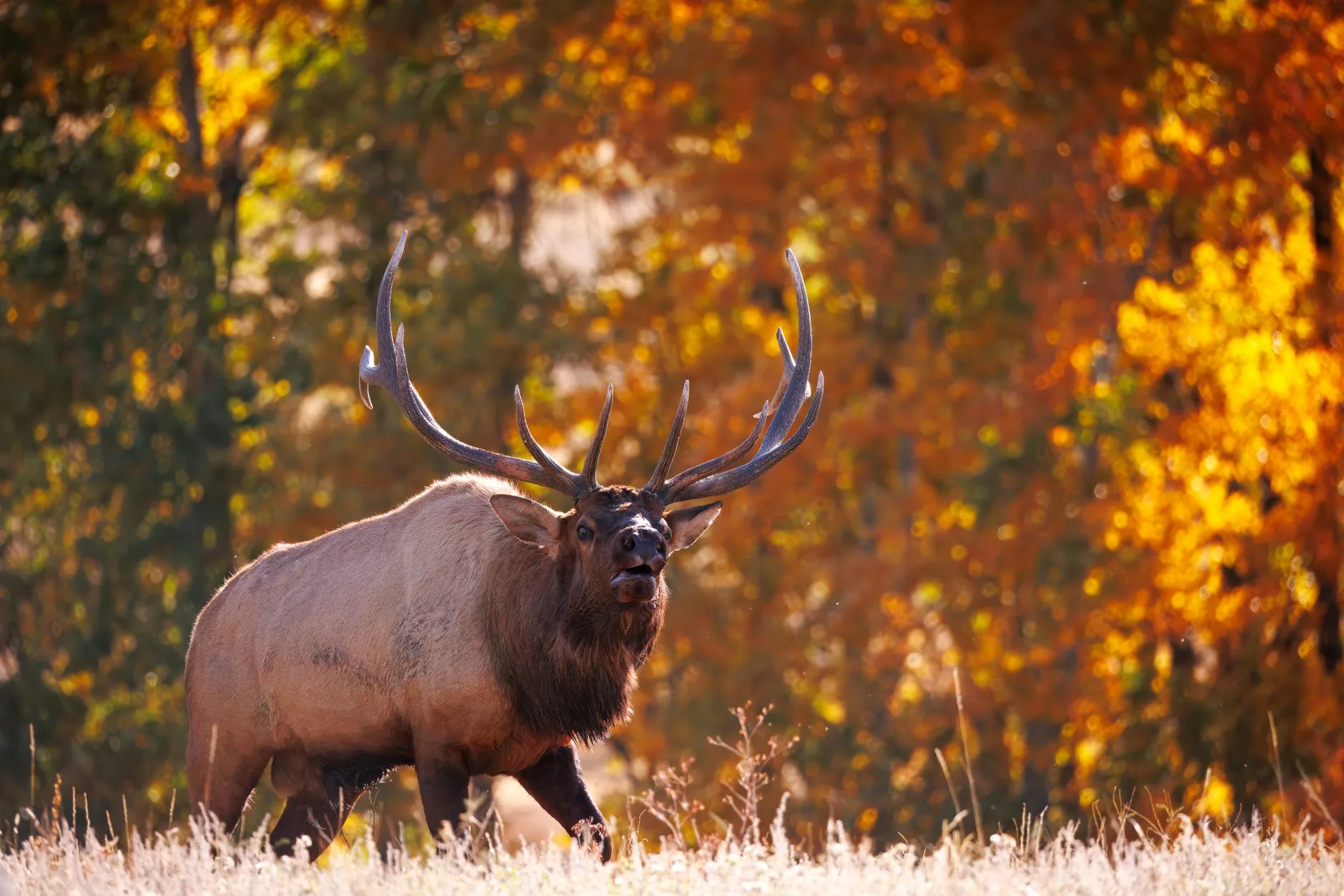
Most bowhunters blow their best chance at a September bull in the first thirty seconds of a calling sequence. Week two of Montana’s archery elk season is when the rut starts cracking open — velvet’s long gone, bulls have spent days sorting out the pecking order, and the ones that are going to make a mistake are right on the edge of making it. If you’ve been working a ridge above the Blackfoot drainage or glassing timber pockets outside Lincoln without punching a tag yet, the next ten days are probably your best shot. But only if you’re willing to adjust as the elk do.
Read the Bull Before You Call
The single biggest mistake hunters make in week two is running the same passive cow-calling sequence they used in week one. Early September bulls on public land — especially in high-pressure units near the Bob Marshall Wilderness, the Gravelly Range south of Ennis, or the Sapphires west of Hamilton — have heard cow mews and estrus squeals before. They know what a hunter smells like. A string of soft calls drifting into dead timber doesn’t fire them up. It puts them on edge.
The fix isn’t volume. It’s matching your sequence to what the bull is already doing. A bull with his head down feeding in a meadow at last light wants one soft cow mew every few minutes, nothing more. But a bull already on his feet, raking a spruce, moving hard through the timber — that animal wants a confrontation. That’s the one you can push.
When to Escalate: The Raking Trigger
Raking is one of the most underused tools in a September elk hunter’s kit, and it’s deadly effective on public land where bulls have been called to and hung up on repeatedly. The sound of antlers ripping through brush — a shed antler, a thick dead branch, a purpose-built raking tool — communicates something a cow call simply can’t: there’s another bull here right now, and he’s not leaving.
Here’s the sequence that consistently closes distance. Start with a location bugle from a distance — nothing aggressive, just enough to announce presence. Wait. If the bull responds or steps toward you, let him come. If he hangs up or goes quiet, shift gears. Have your partner positioned behind you working cow calls while you move toward the bull’s last known position and start raking hard. Hit a small tree, drag antler through thick brush, crack some dead branches. Then cut loose with a medium-pitched challenge bugle — not a full scream, but enough tone to suggest a younger satellite bull that just pushed into the area.
This two-man setup, a caller hanging back with cow calls while the shooter closes with grunts and raking, is the most effective tactic I’ve found on timbered public land in the Northern Rockies. The bull’s attention splits between two sounds, and his instinct is to get to the cow before the other bull does. That’s when he stops thinking and starts moving.
The Full Bugle: Use It Carefully
By mid-September, mature bulls along the Rocky Mountain Front and in the upper Bitterroot drainages are screaming multiple times an hour through the morning. Matching that energy can work. It can also blow up your entire setup if you’re dealing with a dominant herd bull who decides he’s not interested in a fight on those terms.
Never bugle blind into country you haven’t glassed — you might be calling to a bull that’s already coming in silent and you’ll bump him before you ever see him. Shorten your bugle and add a chuckle at the end, which reads as a smaller, less dominant bull and invites a challenge rather than a retreat. If a bull screams back and then goes quiet, don’t fill the silence. Give him five full minutes. He may already be walking in. On heavily pressured units, treat bugles like a trump card — let raking and cow calls do the heavy lifting, and save the full scream for when you actually need it.
Wind, Terrain, and the Setup You’re Not Making
Calling elk without controlling your wind is a waste of time anywhere in Montana, but it’s especially punishing in the canyon and creek-bottom terrain where bulls tend to hold during the day — the South Fork of the Flathead, the upper Gallatin, anywhere with tight draws and shifting thermals. A bull that catches your scent at sixty yards doesn’t give you a second chance that season. That’s just how it goes.
Get above the bull when possible. Set up with your back to a ridge so thermals carry your scent uphill as the morning warms. Keep your shooter within thirty yards of your position — not fifty or sixty, which might feel like it gives you room but actually just puts your shooter out of range when a bull commits fast and cuts the angle hard.
Honestly, position matters more than calling volume every single time. A mediocre caller in the right spot will kill more elk than a great caller standing in the wrong one. I’ve seen it happen both ways.
Stay Flexible Through the Rest of the Season
Montana’s archery elk season runs well into October in most districts, but the overlap between pre-rut and first hard rut activity is happening right now. Check your specific season dates and any unit-level restrictions directly with Montana FWP before you head out — regulations vary by district and it’s your tag on the line.
The bulls are on their feet, their tempers are short, and they’re ready to make mistakes. Get into the right position, read what the animal’s giving you, and don’t be afraid to rake some bark off a tree and scream back at something. September doesn’t last long.
Montana's outdoor week, in your inbox at 7am Friday.