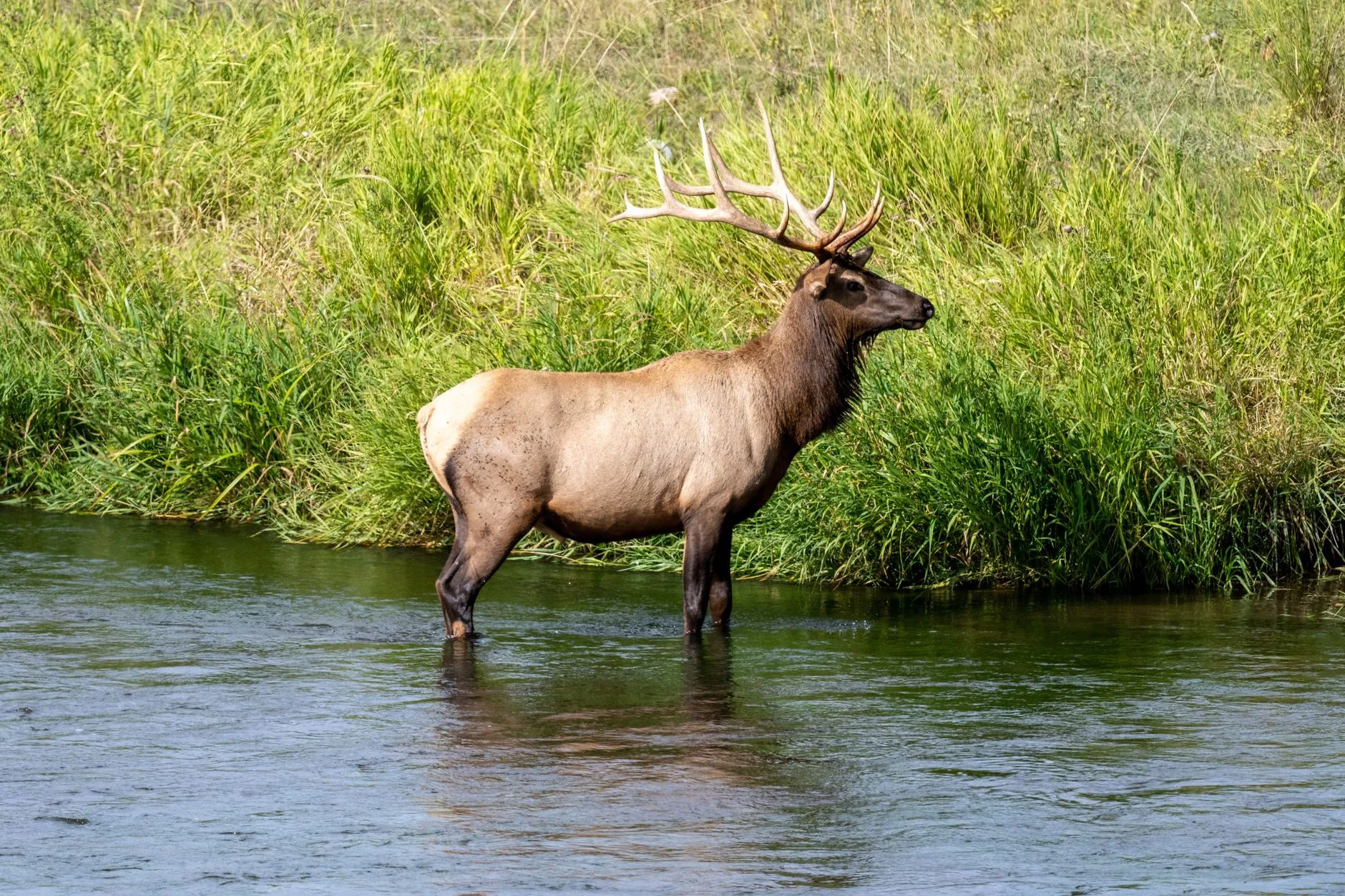
A bull elk decoy staked in a meadow on the edge of the Bob Marshall Wilderness during the September rut can be the most aggressive, heart-pounding play in elk hunting. It can also get you shot. Before you pull that foam or fabric decoy out of your pack, here’s what Montana’s terrain, seasons, and crowded public land reality actually demand from you.
When an Elk Decoy Works — and When It Blows Up in Your Face
Decoys earn their keep during a narrow window: the peak rut, typically the first two weeks of September in most of Montana’s elk country. That lines up almost perfectly with archery season, which is exactly when you want to be running one. A fired-up 6×6 that’s already bugling, already on his feet, already moving toward your calls — that’s the bull that’ll commit to a decoy. A spooked, call-shy bull that’s been pressured on popular trailheads off the Bitterroot or the Sun River drainage? He’s going to hang up at 80 yards, stare at your decoy, and walk the other direction.
The single biggest mistake hunters make with elk decoys is deploying them too early in the encounter. If a bull sees the decoy before he’s emotionally committed — before your calls have him fired up and moving — he’ll treat it like a strange object in his territory and slip away. Work your calls first. Get him talking. Get him moving. Then let him find the decoy as confirmation of what he already believes is there.
Wind is non-negotiable. A decoy buys you visual deception and does exactly nothing about your scent. In the steep drainages of the Gallatin or the open parks of the Gravelly Range, thermals shift hard by mid-morning. Set up with the wind in your favor first, the decoy second. Every time.
Cow decoys tend to be more versatile than bull decoys across the rut cycle. A cow decoy works on satellite bulls, curious spikes, and dominant bulls alike. A bull decoy is a challenge — it works brilliantly on aggressive, dominant animals, but it can actually turn subordinate bulls away. Honestly, if you’re hunting an area where you don’t know the herd dynamic, just start with a cow.
The Safety Warning Nobody Puts in Their Elk Decoy Review
Here’s the part of the elk decoy conversation that gets skipped in most gear reviews and YouTube setups: using a life-sized elk decoy during general rifle season on Montana public land can get you shot.
That’s not an exaggeration. When Montana’s general elk season opens in late October — check your current FWP regulation booklet for exact dates by district — you’re sharing public land with thousands of hunters, many of whom are glassing at distance and making fast decisions. A full-sized elk decoy, especially a bull decoy with antlers, looks like an elk from 200 yards. It looks like an elk from 400 yards. It looks like an elk to a hunter who’s been sitting in the cold for six hours and just wants to fill his tag.
The practical rule is simple: elk decoys belong in archery season. Once rifles are in the field on public land, leave the decoy at home. This matters most on heavily hunted public ground — think the Missouri Breaks, the Elkhorns, or any block management area with multiple parties moving through it. Even on private land during rifle season, you owe it to neighboring hunters and yourself to think twice before staking a foam elk in an open field.
If you’re running a late archery tag into October and still want to use a decoy, wear blaze orange while you move through the woods. Keep the decoy covered or broken down until you’re fully set up in your calling position. Never leave a decoy unattended. And if you hear other hunters approaching, collapse your setup immediately and make noise. Your safety is worth more than any bull.
Practical Setup Tips for Montana’s Terrain
Montana elk country isn’t flat. Most of the spots where decoys pay off — open parks, burned timber, meadow edges — involve broken sight lines and fast-moving bulls. Keep your decoy within 20 yards of your position so you can control the encounter. Stake it at a quartering-away angle, because a bull approaching a decoy head-on will expect eye contact and movement, and when he doesn’t get it, he’s gone.
Pack weight matters in the backcountry. Silhouette-style decoys like the Montana Decoy Elk Fever or similar fabric systems pack down to almost nothing and hold up in wind better than you’d expect. Foam 3D decoys are more convincing up close but nearly impossible to carry deep into the wilderness. Know the country you’re hunting before you commit to either.
In my experience, the hunters who blow their best decoy encounters aren’t running the wrong gear — they’re just not thinking the setup all the way through before they start calling. Get the wind right, get your position right, know who else is in the woods with you, and have a clear exit. Do all that, and a September bull just might make the biggest mistake of his life walking straight into your meadow.
Montana's outdoor week, in your inbox at 7am Friday.