
Here’s a thought experiment for the next time you’re glassing a ridge in the Beartooths or working a gravel bar on the Big Hole: what would you be looking at if nobody had ever thinned this place out?
That’s the question behind a new video from the channel Rebuilding Earth, which asks how Montana lost millions of wild animals and why one of America’s greatest wilderness regions is still struggling to recover. The title leans dramatic, but the history underneath it is real, and most of us only know the highlight reel.
The Montana most of us never saw
We tend to measure Montana’s wildlife against the last few decades, which is a little like judging a bank account by this week’s balance. The market hunting era of the late 1800s took the hides, meat, and horns out of this country by the trainload. Bison went from tens of millions across the continent to a few hundred. Elk and bighorn sheep were wiped out across huge stretches of their range. Add unregulated hunting, habitat conversion, and a deliberate predator-killing campaign, and you get a landscape that was functionally emptied well before most of our great-grandparents were born.
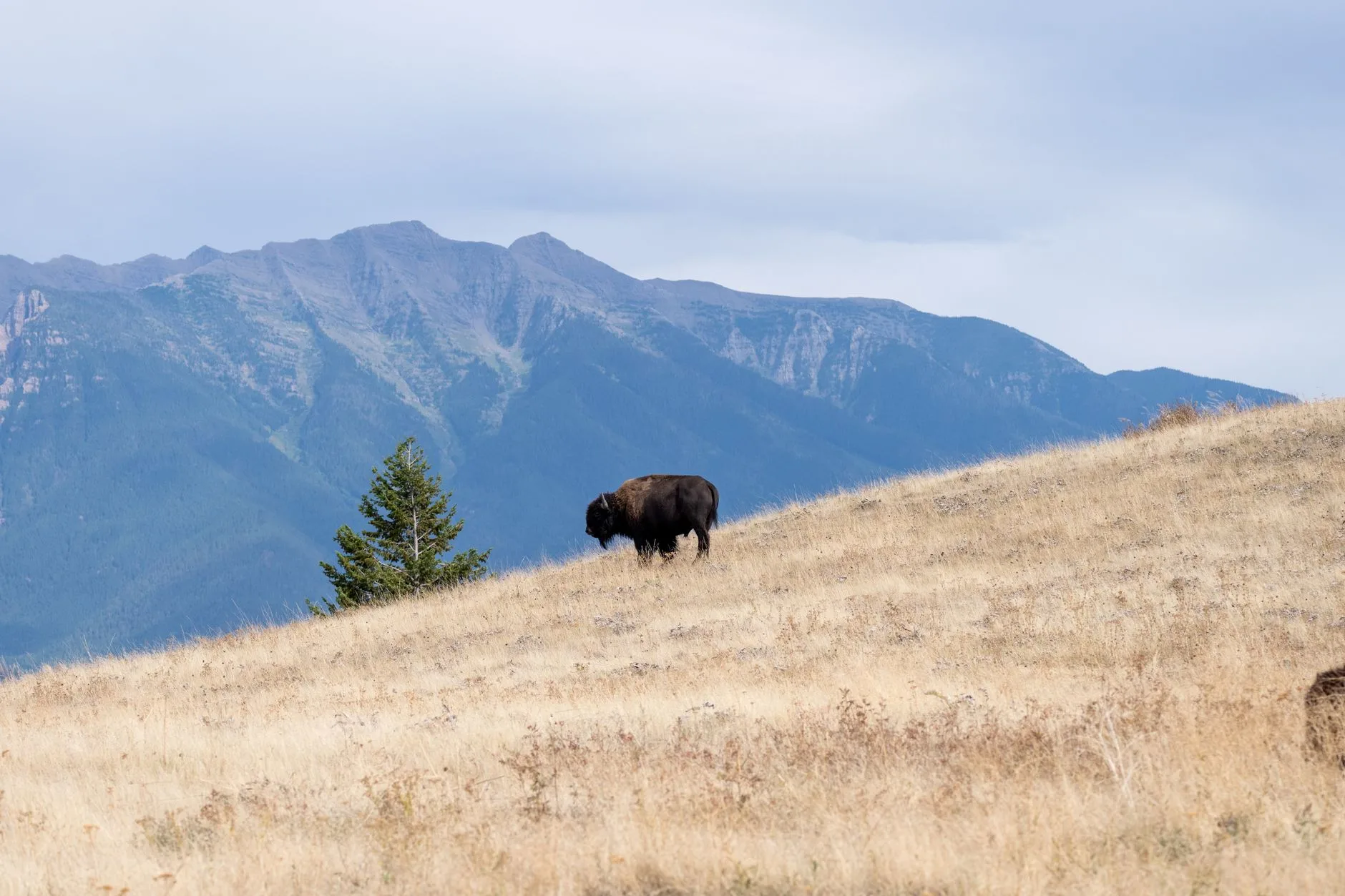
Some of the comeback stories are genuine wins. Elk numbers across much of western Montana are strong enough that we argue about distribution and access more than abundance. But look at the gaps. Bison still live almost entirely as managed herds, and the fight over whether they get to be wildlife on the open landscape around Yellowstone and the Charlie Russell is far from settled. Native westslope cutthroat hold a fraction of their historic water, and bull trout remain a listed species in the drainages that once defined them.
What “recovered” actually means
The video’s strongest point, and the one worth chewing on, is that recovery isn’t a single finish line. A species can be “not endangered” and still be missing from most of its original range. Seeing a few thousand animals in a handful of strongholds is not the same as an ecosystem doing its full job.
For hunters and anglers, that’s not an abstract debate. Our seasons, tag allocations, and fishing regulations through Montana Fish, Wildlife & Parks exist because earlier generations learned the hard way that “plenty” can vanish fast. The North American Model of Wildlife Conservation, funded largely by license fees and Pittman-Robertson excise taxes on our gear, is the reason we have anything left to argue about.
Why it matters on public ground
Montana’s recovery potential lives on public land: the national forests, BLM ground, and the big roadless country that gives wildlife room to move. Corridors, winter range, and cold clean water are the limiting factors, and all of them get squeezed by subdivisions, fragmented ownership, and fights over access. Whether you’re chasing elk in the Elkhorns or fishing the Blackfoot, you’re standing on the result of choices made over a hundred years.
The video isn’t a hunting or fishing piece, and it does paint with a broad brush at times. Still, it’s a useful gut check. Give it a watch, then ask yourself what you’d want this country to look like for your kids, and what you’re willing to put in to get it there. Tell us what you think in the comments, and tell us what historical Montana wildlife story you think doesn’t get enough attention.
Montana's outdoor week, in your inbox at 7am Friday.