
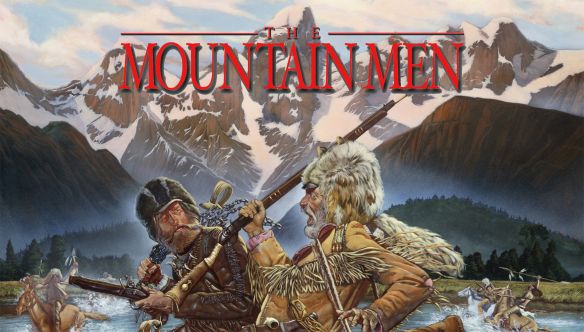
 Weapons meant survival for Montana Mountain Men and early pioneers. If you were not packin, you were” bound to go under.” Traveling light also meant survival, so the early trappers and explorers needed to pack light and smart.
Mountain Men weapons were needed for protection, hunting, and combat. One shot meant a safe and quality kill. If they had to shoot more, everyone in the country could locate where you were. Skilled Mountain Men used archery to gather food for a stealthier tool. Taking just one accurate shot meant that close threats could not always figure out your location. Survival was about what you could carry and use.
Flintlocks were the most popular rifles. If you ran out of percussion caps you were screwed, but you could always fashion a flint. Powder was also an issue. Fortunately, it was a popular trading product. Lead was used for shot or round balls, but you could always use a rock, metal, or whatever you had to use for a shot, even if inaccurate. Lead bullets could often be recovered from game and were remelted into bullets. Lead bars were also available for trade.
Rifles were more accurate than muskets. If the barrels were grooved, they caused the bullet to spin and travel further and on target. A smoothbore meant accuracy to maybe a hundred yards, after that, it was luck and smoke. Long barreled rifles were also heavier but more accurate.
 The Plains rifle, Kentucky rifle, Pennsylvania rifles, and Hawkens were the most accurate firearms of the day. Over 30-inch-long barrels with a twisted and grooved internal barrel made them the most popular firearms. Longer range could keep enemies at bay and target game from a distance. Jim Bridger carried the Hawken Plains rifle. Most guns/rifles cost less than $20 at the time.
Some rifles were double barreled or rotary. This allowed faster shots without reloading. Four and three barreled rifles, double barrel shotguns and pepperboxes were popular backup weapons.
Accuracy was based upon skill and loading tips. Silk patches, greased ammunition, smaller powder grains and charges would improve accuracy. The hair triggers also helped. Custom and accurately matched bullets also helped. Every rifle and gun were unique. The more experience with the weapon improved accuracy.
Smoothbore pistols of the day were popular and fine for close in protection. Rifled pistols were better at ranges around twenty-five yards. Percussion caps made these backup weapons more dependable. It was not uncommon for a Mountain Man to carry several different sized pistols on sashes, in boots, on cords or in packs.
In a dangerous encounter, the cook, or less skilled marksmen, were responsible for reloading any and all weapons. The skilled shooters would target the threats. Accuracy made the bravest enemies retire rather than attack.
The last line of defense for the Mountain Men were knives and hatchets. An assortment of these weapons was on their person if the fight became too close. Smaller blades could be thrown accurately. Most blades can be traced back to the Middle Ages. Iron knives had been customized and improved for decades. Daggers, Bowies, and wide bladed knives all had specific uses. Native people made sharp blades from flint and obsidian. Mountain Men also crafted their own blades. Clasp and folding knives were safer and more compact. Short stabbing knives could be stored compactly until needed. Longer blades were specific for butchering or scalping.
A patch knife would be worn around the neck in a custom sheath. Other leather sheathes could be hung, strapped, or carried on their person. If they became unhorsed or lost other weapons, knives were still attached to their person. Scabbards and sheathes could be made from leather, wood, or other still materials. Green River knives could be shaped and made to order. Handles were made from antler, wood, or wrapped rawhide.
An axe or hatchet served many uses. Firewood could be cut, butchering made easier, or close in protection was helpful. These weapons/tools were made from metal, stone, or sharp materials. Longer handles made them more powerful or better at longer ranges. Of all weapons available, an axe was considered by many Mountain Men to be the most important tool. You could shave, cut, protect, and build or butcher with an axe. Making spears, bows, and other weapons were easier with an axe.
Mountain Men possessed every edge and modern tool of their time. This made them a target for the more poorly armed native people. Hunting, trapping, and exploring in groups or Brigades/troops made sense and was safer.
Mountain Men were tough and hardy. If they were not, they would be dead. Personal open and closed carry weapons gave them an advantage.
Shoot Center and watch your topknot!
Montana Grant

Montana's outdoor week, in your inbox at 7am Friday.