There’s a classic script when it comes to standard deer mounts. They tend to hang in wood-paneled dens, staring majestically into the middle distance, surrounded by camo gear and the faint scent of gun oil. But a video from The Ryan and Amber Show, titled “♪ Dye a deer… a female deer! ♪”, just threw that script right into a blender.
Instead of the usual natural browns, this particular whitetail has been given a makeover that looks less like a woodland creature and more like a My Little Pony that wandered into a rave. It is bold, and to the surprise of absolutely no one, it has completely split the internet in two.
The Backlash: “Have Some Respect”
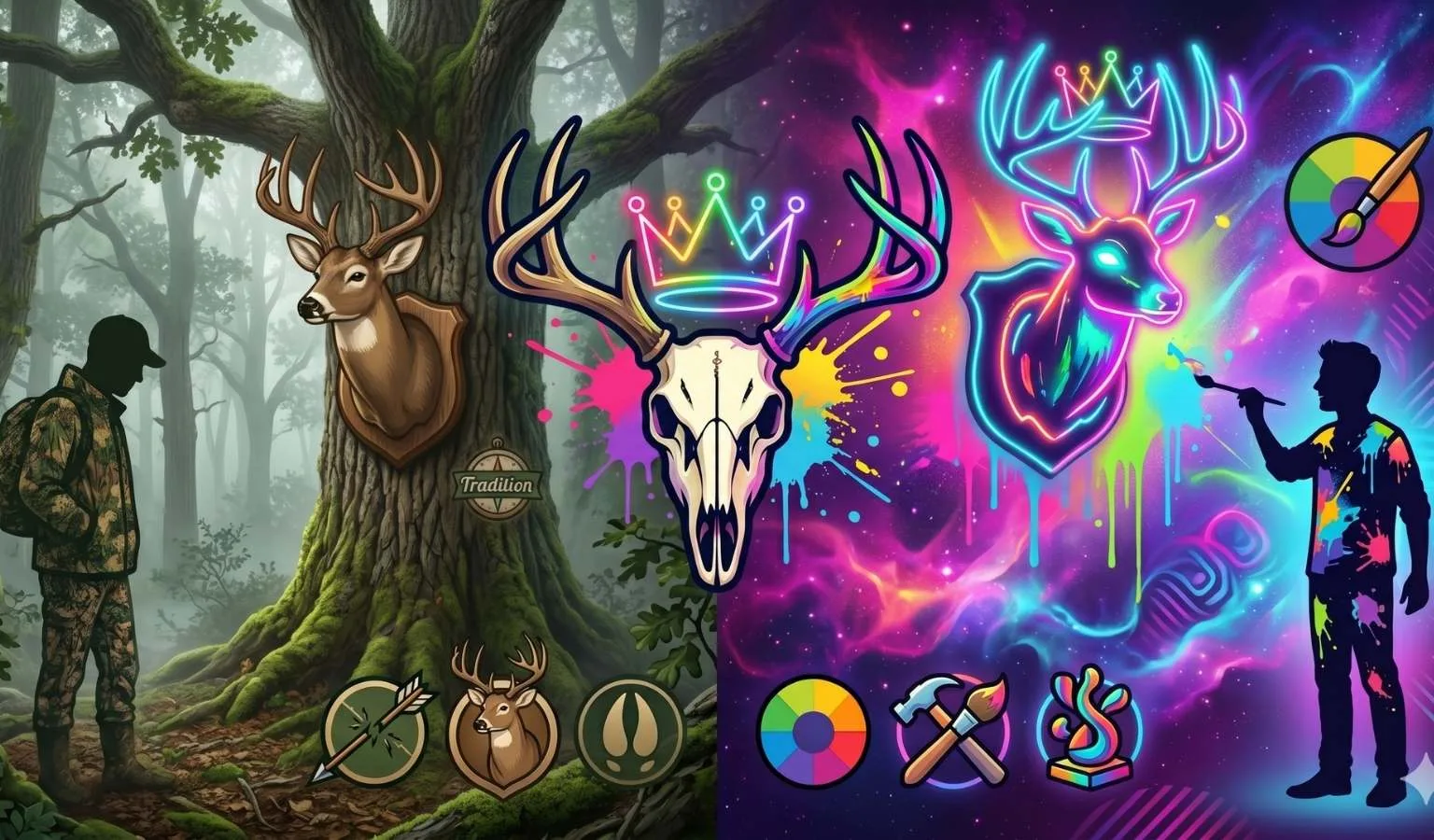
For a vocal segment of the internet—particularly traditional hunters and old-school taxidermy enthusiasts—the neon deer is a step too far. To them, a mount is supposed to be a monument to the animal’s life and the spirit of the hunt. Dyeing its fur bright pink, black, or purple crosses the line from appreciation into mockery. The comment sections are rife with variations of “This is totally disrespectful to the animal” and “Just because you can, doesn’t mean you should.” For these folks, nature’s design shouldn’t be treated like a DIY craft project.
The Defense: “It’s Just Art, Lighten Up”
On the other side of the clearing stands a crowd that thinks the traditionalists are completely out of their minds. To Team Art, this is a brilliant, whimsical piece of pop-art. Rogue taxidermy has been a growing subculture for years, transforming otherwise dusty, forgotten mounts into surreal, eye-catching conversational centerpieces. Supporters argue that the animal is already gone; giving it a neon second life in a living room is just harmless creative expression. As one defender put it: “It’s a work of art. People need to lighten up.”

So, What Do You Think?
You’ve seen the arguments from both sides of the clearing, and the internet is thoroughly divided. Now the real question is: where do you stand on the great dye-a-deer debate? Is this a piece of pop-art that gives an old mount a fun second life, or does it cross the line and disrespect the animal’s natural legacy? Does taxidermy always have to stay bound to tradition, or is it a canvas ripe for creative transformation? Let us know—are you Team “Disrespectful” or Team “Artistic”?
Montana's outdoor week, in your inbox at 7am Friday.