
Why Habitat Work on Flathead Ridge Matters This Fall
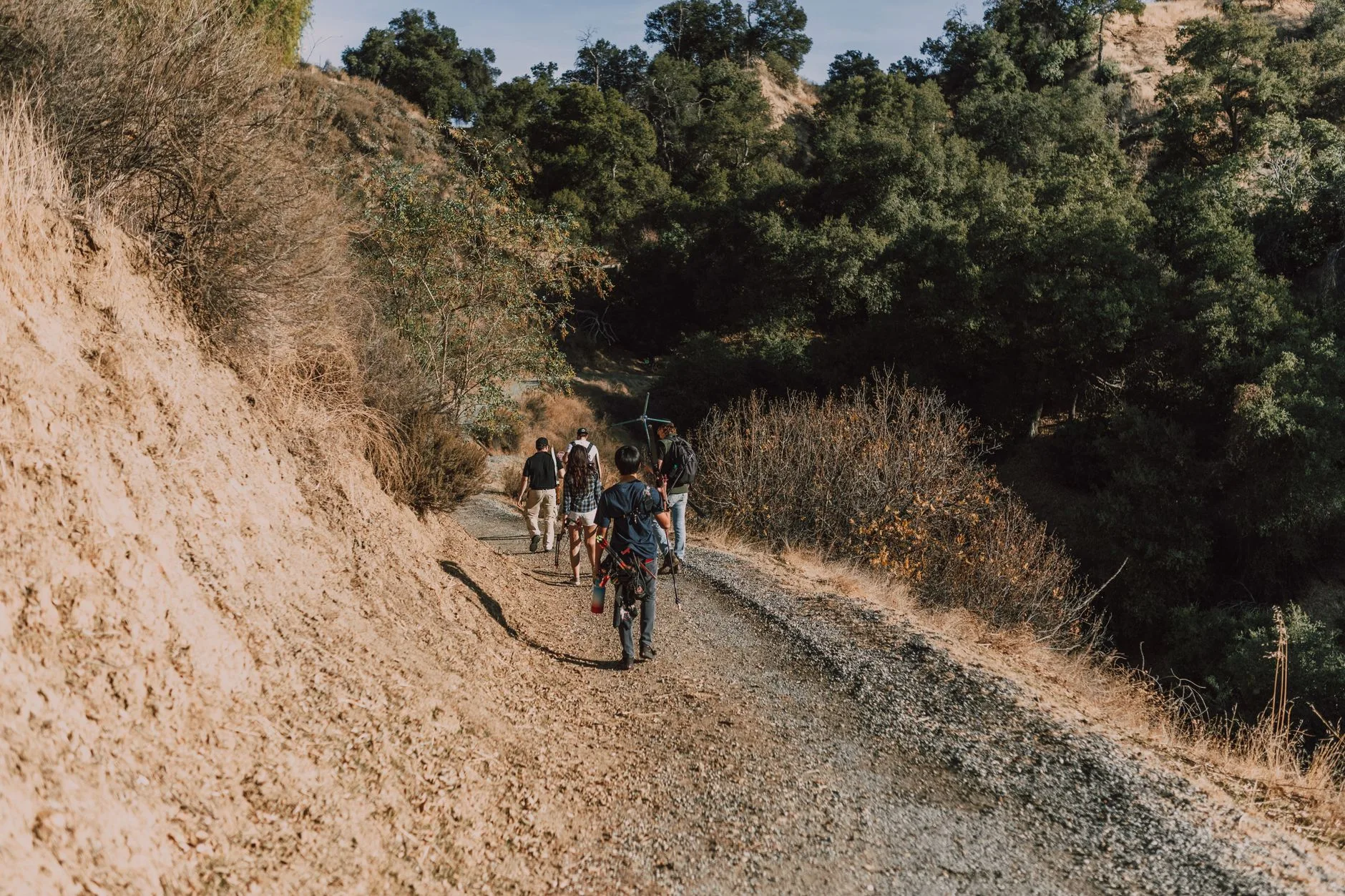
If you’ve ever hiked into a drainage that should hold elk but doesn’t — overgrown, choked with deadfall, the kind of country that makes you wonder why you bothered — you already understand why projects like this one matter. The Rocky Mountain Elk Foundation recently filmed a crew of volunteers, including employees from the Montana Knife Company, putting in serious work on a habitat stewardship project up on Flathead Ridge. It’s the kind of unglamorous, essential labor that doesn’t get enough attention, and RMEF did the right thing by rolling cameras on it.
Flathead Ridge sits in the heart of northwest Montana’s elk country — the kind of terrain that rewards hunters who put in the miles but can quietly degrade when access routes and habitat edges get neglected. Overgrown trails, downed timber, and encroaching brush don’t just make for a miserable pack-out; they push elk into patterns that are harder to hunt and, more importantly, reduce the overall carrying capacity of the land. Clearing work like what you’ll see in this video — chainsaws, loppers, sore backs, and long days — is what keeps quality public land hunting viable in this state. Montana Fish, Wildlife & Parks and the U.S. Forest Service simply don’t have the staffing or budget to stay ahead of it alone. Volunteer crews fill that gap every single season.
What This Kind of Work Actually Does for Elk — and Elk Hunters
It’s easy to watch a video like this and appreciate it on a surface level — good people doing hard work, nice scenery, useful outcome. But it’s worth slowing down and understanding what habitat stewardship actually produces for elk populations and the hunters who pursue them.
Elk are edge animals. They thrive where open meadows or clear-cuts transition into timber, where they can feed in the open during low-light hours and melt into cover when pressure increases. When trails close over and shrubby vegetation fills in unchecked, those edges disappear. Mature forest without understory variety holds far fewer elk than a landscape with openings, young browse growth, and accessible water. Clearing overgrown trails and removing downed timber doesn’t just make hiking easier — it actively restores the kind of broken, varied terrain that elk prefer to use.
Downed timber is its own category of problem. After beetle kill events and fire seasons, northwest Montana has seen significant blowdown accumulation across many drainages. Heavy deadfall makes travel difficult not just for hunters, but for elk themselves. Cows with calves avoid areas where footing is treacherous. Bull elk in rut, though more willing to crash through cover, still favor drainages where movement is efficient. When volunteer crews clear that timber, they’re not just maintaining a trail — they’re reopening travel corridors that elk will actually use come fall.
The Montana Knife Company Angle — and Why It’s Worth Noting
What’s worth noting here is the Montana Knife Company angle. The Frenchtown-based company has built a reputation not just for turning out quality blades, but for putting their people where their values are. Showing up on a ridge with hand tools instead of just writing a check is a different kind of brand statement — and it’s one that resonates with hunters who can spot the difference. RMEF has logged millions of acres conserved and hundreds of thousands of volunteer hours since its founding, and footage like this is a reminder of what that actually looks like on the ground — dirty gloves, boot-packed hillsides, and a lot of chainsaw fuel.
Montana Knife Company has developed a loyal following among serious backcountry hunters, and not just because their knives hold an edge. The company has been intentional about investing in the culture and habitat that makes western hunting worth doing. Corporate volunteer days on habitat projects are common enough that they can feel performative, but there’s a meaningful difference between a team that shows up to a ridge crew and one that shows up to a golf tournament. The employees in this video are doing genuinely hard physical work in the kind of terrain their customers hunt. That alignment is real, and it matters.
The Broader Picture: Who Keeps Montana’s Public Land Hunting Open
Montana is home to tens of millions of acres of public land — national forests, Bureau of Land Management ground, state trust lands, and wilderness areas. That footprint is one of the core reasons Montana hunting remains as good as it does. But public land is not self-maintaining, and the agencies responsible for managing it have faced persistent budget and staffing constraints for decades. The gap between what needs to be done and what agency crews can accomplish in a given season is consistently filled by volunteer organizations.
RMEF is one of the most significant players in that space in Montana and across the West. Beyond trail work and habitat clearing, the organization has been involved in prescribed burns, aspen restoration, water development for wildlife, and land acquisitions that protect critical elk winter range. The Flathead Valley and surrounding drainages in northwest Montana have been a consistent focus area, given the density of elk habitat and the hunting pressure those areas receive.
Other organizations working on similar ground in Montana include the Montana Wilderness Association, Backcountry Hunters and Anglers, and various local sportsmen’s groups affiliated with FWP. Many of these groups run volunteer projects throughout the summer and early fall — chainsaw certification crews, trail clearing days, and fencing projects on winter range. The infrastructure of public land hunting in this state runs largely on volunteer time, and most of that work happens in the months between spring turkey season and October’s general opener.
Northwest Montana Elk Hunting: The Country These Projects Protect
The Flathead Ridge area is representative of a broader swath of northwest Montana that holds some of the best elk hunting in the state. The Flathead National Forest, the Bob Marshall Wilderness complex, and the surrounding drainages offer a combination of roadless backcountry and more accessible terrain that accommodates a wide range of hunters — from those packing in for five days to those hunting from roads on public ground closer to the valley.
Northwest Montana elk tend to be migratory, moving between summer range at higher elevations and winter range in valley bottoms and lower timbered slopes. During general season, hunters who understand those migration routes and the terrain features that funnel elk movement have a significant advantage. Trails and drainages that have been maintained are more likely to see regular elk use — and more likely to be huntable by the majority of the public that doesn’t have the technical skills or equipment to navigate impenetrable blowdown.
Access is a recurring theme in northwest Montana elk hunting conversations. Some of the most productive country sits at the end of long approach routes that can be compromised by downed timber, washed-out trails, or overgrown brush that makes navigation difficult. Projects like the Flathead Ridge clearing directly affect how many hunters can realistically access quality ground — and by extension, how that hunting pressure distributes across the landscape.
How to Get Involved Before This Fall’s Season
With general elk season in Montana opening in late October, now is exactly the right time to be thinking about the condition of the country you plan to hunt. If this video lights a fire under you, RMEF’s volunteer portal is easy to find and projects across western Montana pop up throughout the summer and early fall. Spend a Saturday on a ridge like this one, and you’ll hunt it differently come October — because you’ll know what it took to keep it open.
Beyond RMEF, a few practical ways to plug in:
- Contact your local ranger district. Most national forest ranger districts in Montana maintain a list of volunteer needs and can connect you with trail crew opportunities. You don’t need to be chainsaw certified to participate — there’s always work that requires nothing more than a sturdy pair of gloves and a willingness to show up.
- Join a local sportsmen’s group. Many FWP-affiliated sportsmen’s groups organize habitat work days tied to specific hunting districts. These are often the most direct way to contribute labor to the ground you actually hunt.
- Get chainsaw certified. If you plan to be a serious contributor to trail clearing crews over the long haul, chainsaw certification through a recognized program opens up a wider range of volunteer opportunities and makes you genuinely more useful on the ridge.
- Check BHA’s event calendar. Backcountry Hunters and Anglers runs pint nights and campouts that are social, but the organization also organizes meaningful field work days in Montana that are worth watching for.
A Note on Regulations and Season Dates
Before you finalize your fall plans, always check the current Montana FWP hunting regulations for the specific district you intend to hunt. Season dates, license requirements, and any special restrictions can change year to year, and the FWP regulation booklet is the authoritative source. The FWP website also maintains current information on road closures and access conditions that can affect your approach routes — worth checking close to your hunt date, particularly after a wet summer or early fall storm.
The Bottom Line
The video from Flathead Ridge is worth ten minutes of your time — not just for the scenery, but because it puts a human face on work that most hunters benefit from without ever thinking about. Montana’s elk hunting reputation didn’t build itself, and it won’t maintain itself. The ridge looks like that because people showed up with chainsaws and made it so. If you’re going to hunt that country this fall, consider whether you can spare a Saturday between now and then to return the favor.
Editor’s note: Corrected the location of Montana Knife Company from Ronan to Frenchtown, Montana.
Montana's outdoor week, in your inbox at 7am Friday.