
Holter Reservoir Fishing Report — July 31, 2026
The following fishing report comes from Jonathan Miller at Capital Sports in Helena, one of the Helena valley’s most trusted sources for up-to-date fishing intel on the Missouri River drainage lakes. If you’re planning a trip to Holter Reservoir in the coming days, read every word — there’s a lot going on right now across multiple species.
Holter:
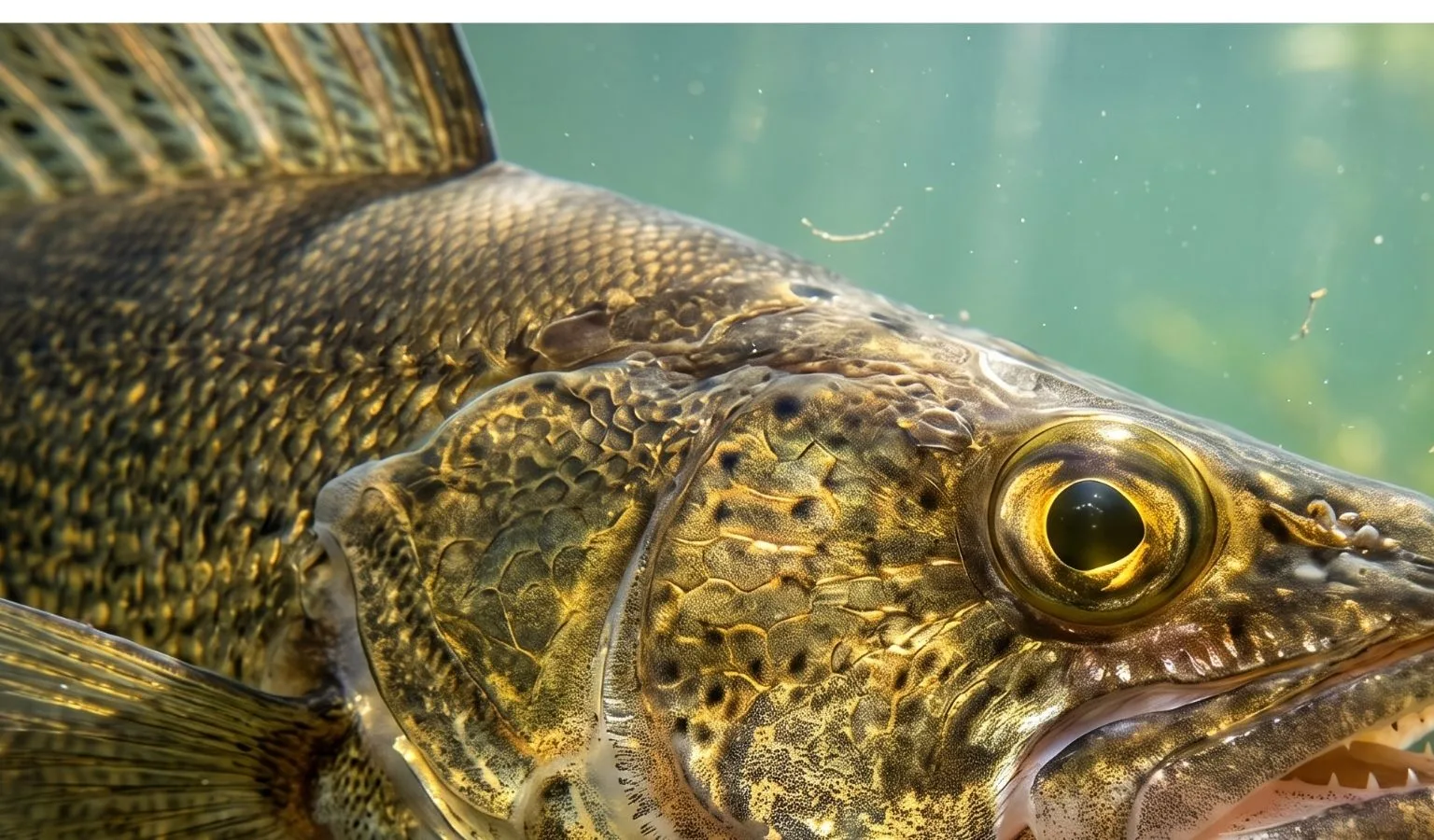
Walleye action has been red hot on the lower parts of Holter. Mainly from Oxbow bend to the clay banks. There has been consistently good quality from what I am being told too. Seems like it has been relatively easy to fill a limit with 15″+ fish. Same tactic as Hauser. Look for pockets to cast a jig, ned or drop shot into. Goby or perch are the top patterns but purple has caught plenty of fish as well. For those patient enough, slow trolling a crankbait along the long weed edges can also be productive as well. Perch and rainbow patterns will be the main colors. I would also recommend using heavy fluorocarbon leader or steel/titanium leader as the pike are prevalent. Though good sized and as long they don’t steal your tackle they are good fun to catch too.
The trout action has waned but that’s mostly from a focus shift. Most people trolling now have opted to start chasing the big kokanee in Holter. Rainbows certainly fill the time in between catches but the kokanee bite has started to pick up more. I am mostly hearing a lot of reports from trolling at 40′ but that was before the heat wave. With the bright days, you can expect the fish to go deeper. I would still start at 40′ and work the baits down to depth. Unless of course you are marking the fish on a fish finder then adjust accordingly. Just remember to keep the bait above the fish kokanee are for more apt to rise for a bait than swim down. Keep your speeds between 1.0mph to 1.5mph. Chartreuse, orange or red are the first picks but as kokanee are, be ready with a couple different options for the day. Also typical for kokanee, evening and morning are the best times to target.

About Holter Reservoir
Holter Reservoir sits in the lower end of the Gates of the Mountains canyon, roughly 35 miles north of Helena along the Missouri River. Created by Holter Dam, the reservoir stretches several miles through dramatic limestone canyon country before opening into broader, shallower water to the north. That diversity of habitat — canyon walls, weed flats, clay banks, creek arms, and deep mid-channel trenches — is exactly what makes Holter such a productive multi-species fishery. It’s one of the most accessible big-water fisheries in west-central Montana, with boat launches available at several points along the reservoir.
The fishery supports a remarkable mix of species: walleye, kokanee salmon, rainbow trout, northern pike, yellow perch, and smallmouth bass all call Holter home. That variety means anglers can adapt their trips based on what’s biting, and in late July, the action is spread across at least three major species worth targeting.
Walleye Fishing at Holter: What’s Working Right Now
The walleye bite on the lower reservoir is as good as it gets for late July. The stretch from Oxbow Bend down to the clay banks has been consistently producing quality fish, and word from the water suggests limits of 15-inch-plus walleye are very achievable for anglers using the right presentations.
Key Areas to Focus On
Walleye in Holter’s lower sections tend to relate to structural transitions — places where rock meets soft bottom, where weed edges break toward deeper water, or where current seams from the river channel influence baitfish movement. The clay bank stretches are particularly productive because they offer that soft-bottom, moderate-depth habitat walleye gravitate toward in warmer months. Look for any pockets, points, or irregular edges along these banks and work them methodically before moving on.
Best Presentations
Jonathan’s top recommendations align well with what walleye anglers across Montana have been dialing in during summer: jigs, Ned rigs, and drop shots cast into structure pockets. The finesse end of the presentation spectrum — a small Ned-style mushroom head with a soft plastic tail — can be particularly deadly in warmer water when walleye are a touch lethargic during midday heat. Drop shotting allows you to keep a bait in the strike zone longer, which matters when fish are holding tight to specific pieces of structure.
Color-wise, goby and perch patterns are leading the pack, which makes sense given that round gobies and yellow perch are both present in the reservoir and serve as primary forage. Purple has also been a consistent producer, which shouldn’t surprise anyone who has fished walleye in Montana — purple is a go-to confidence color that often outperforms “natural” patterns in off-color or stained water conditions.
For those willing to cover water rather than cast to structure, slow-trolling crankbaits along the weed edges is another viable approach. Perch and rainbow-colored crankbaits are the recommended starting point. This method lets you locate fish over a larger area and is a great option if the casting bite is slow during the bright midday hours.
The Pike Factor — Don’t Skip the Steel
One thing every Holter walleye angler needs to account for: northern pike are everywhere. Jonathan specifically calls out the need for heavy fluorocarbon or steel/titanium leaders, and this is advice worth heeding. Losing walleye rigs to pike cutoffs gets expensive fast, and a quality fluorocarbon leader of 20-pound-plus or a short wire/titanium bite tippet will save you significant money in terminal tackle over the course of a day. The upside? Those pike are often large, and on light walleye gear they put up a serious fight. If one grabs your jig, enjoy it — just make sure your tackle is protected so you can get back to targeting walleye.
Kokanee Salmon: The Sleeper Bite Picking Up Steam
Kokanee salmon have been a headline fishery at Holter for years, and mid-to-late summer is when many dedicated kokanee trollers start getting serious. The word from the water is that the bite has begun to build, and anglers who have been chasing rainbows are making the switch.
Finding Fish After a Heat Wave
The recent heat wave is an important variable. Kokanee are coldwater fish and will dive deeper as surface temperatures rise and the thermocline pushes down. While the 40-foot mark has been the starting point based on earlier reports, bright, hot conditions will push fish deeper — potentially to 50, 60, or even deeper depending on conditions. This is where a quality fish finder becomes indispensable. Mark your fish first, then set your downriggers or leadcore to run your presentation just above the school. As Jonathan notes, kokanee are far more likely to rise for a bait than to swim down for it, so staying above the fish is a fundamental rule of the kokanee game.
Speed, Color, and Timing
Trolling speed is critical for kokanee — too fast and you’ll blow past them; too slow and the action on your lure dies. The 1.0 to 1.5 mph window Jonathan recommends is a standard kokanee trolling range and a good starting point. Many anglers fine-tune within that window based on what the fish are telling them on any given day. If you’re getting follows but no hookups, a slight speed adjustment can trigger the bite.
Kokanee are notoriously color-specific and can switch preferences throughout the day, which is why having multiple color options ready is part of the strategy, not an afterthought. Chartreuse, orange, and red are the proven first choices, but pink, white, and UV-enhanced patterns are worth having in the box. Rigging with a small spinner blade ahead of the lure adds flash and vibration that can draw fish from a distance in deeper water.
Timing your trip around low-light periods — early morning and evening — gives you the best shot at active kokanee. During bright midday conditions, the bite can stall significantly, which makes Holter a great dawn-to-mid-morning destination followed by a break and a return trip in the evening hours.
Rainbow Trout: Still Worth a Line in the Water
While the kokanee and walleye are getting most of the attention right now, don’t overlook the rainbow trout. Jonathan notes that rainbows are keeping trollers busy between kokanee hookups, which suggests the trout fishing remains respectable even if it’s not the primary focus. For anglers not yet set up for dedicated kokanee trolling, rainbows are a great secondary target using similar trolling gear and speeds. Small spoons, spinners, and crankbaits in natural patterns all produce well on Holter rainbows throughout the summer.
Practical Tips Before You Go
- Launch early. Summer weekends at Holter can see significant boat traffic, especially near productive areas like the clay banks. Getting on the water at first light puts you ahead of the crowd and into the best kokanee and walleye windows simultaneously.
- Watch the weather. Late July storms on the Missouri River corridor can roll in quickly. The canyon terrain around Holter can make wind conditions unpredictable, so keep an eye on the forecast and have a plan for safe harbor if conditions deteriorate.
- Bring the leader material. Seriously — don’t skip the fluorocarbon or steel leaders. Pike are not a rumor on Holter, and they will find your walleye rigs.
- Use your electronics. Whether you’re hunting walleye structure along the clay banks or dialing in kokanee depth, a fish finder will dramatically improve your efficiency and success rate on Holter’s diverse water.
- Check current FWP regulations for updated species limits, size restrictions, and any special rules applicable to Holter Reservoir before your trip. Regulations can change, and staying current keeps the fishery healthy for everyone.
Stop Into Capital Sports for the Latest Intel
For the most current, on-the-ground fishing reports for Holter, Hauser, Canyon Ferry, and the surrounding Helena-area waters, Capital Sports in Helena is the go-to resource. Jonathan Miller and the team there are dialed into what’s happening on these fisheries week to week, and they can point you toward the right tackle, the right techniques, and the right areas before you hit the water. If you’re visiting the Helena area and planning a fishing trip, a quick stop at Capital Sports is well worth your time.
Holter Reservoir is fishing exceptionally well right now. Whether you’re after a limit of quality walleye, chasing big kokanee in the depths, or just looking to enjoy a summer morning trolling for rainbows in one of Montana’s most scenic canyon reservoirs — the timing is right. Get out there.
Montana's outdoor week, in your inbox at 7am Friday.