
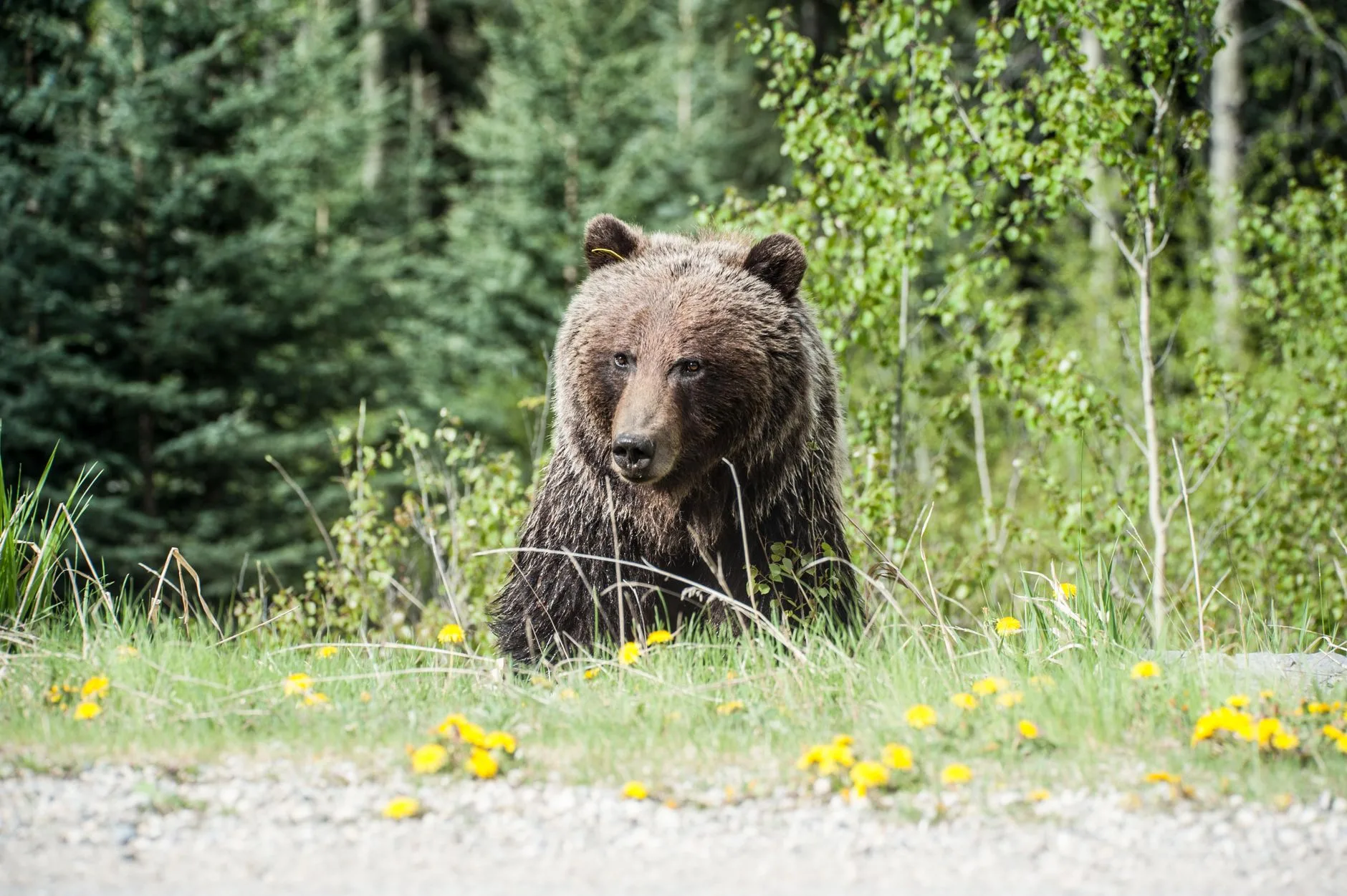
Three years running now, we’ve broken the record for dead grizzlies in the Greater Yellowstone Ecosystem. WyoFile reported on Oct. 30, 2026 that this year’s toll was already the worst on the books, and a lot of bears hadn’t even denned yet. That timing matters. Late October is when bears are hungriest, moving the most, and sharing country with the most hunters.
The reporting doesn’t spell out every cause of death in the text we’ve got, and I’m not going to guess. Mortality counts in this ecosystem generally come from a mix: conflicts with people, vehicle strikes, management removals, and other human-related causes. If you want the full accounting, read the original WyoFile story and go to the numbers the agencies publish themselves.
Why the Fall Is the Danger Window
Anybody who’s spent October in the mountains of southwest Montana knows how this goes. Grizzlies are in hyperphagia, packing on fat for winter, and they’ll eat anything that carries calories: whitebark pine cones, roots, carrion, you name it. That pulls them into the same drainages where we’re working timber and glassing parks for elk. Throw a gut pile or a downed animal into the mix and you’ve built the exact setup for a close encounter.
A record death toll going into the heart of rifle season tells me one thing. How we act in bear country has real consequences, for the bear and for us.
Practical Steps for Hunters
None of this is news. It’s worth repeating anyway, because the stakes are plain to see:
- Carry bear spray and know how to use it. Keep it on your body, not in the pack or the truck. Practice pulling it with the safety off, and check the expiration date.
- Hunt with a partner when you can. Groups make noise and have more eyes on the surroundings.
- Treat every carcass as a bear magnet. Get meat out of the field quickly, hang it well away from camp, and don’t leave a kill unattended longer than you have to. Approach a cached carcass with extreme caution and make noise as you go.
- Look for sign before you commit to a gutting spot. Fresh scat, torn-up logs, and tracks near a carcass or drainage are reasons to slow down.
- Keep a clean camp. Store food, garbage, and anything scented in bear-resistant containers or away from sleeping areas.
- Identify your target. In grizzly country, make certain of what you are shooting at. Mistaken identity is an avoidable tragedy.
Anglers and Everyone Else Are in This Too
This isn’t just a hunter’s problem. Late-season anglers working river corridors, hikers, and landowners along the edges of grizzly range all share the same ground. Lock up your garbage, bird feeders, pet food, and livestock feed on rural properties. Chicken coops, fruit trees, and unsecured grain are the usual draws that pull bears toward people. Too often that ends badly for the bear.
Where This Leaves the Bigger Debate
Grizzly management around Yellowstone has always split conservation groups, agencies, ranchers, and sportsmen, and a third straight record year will hand every side fresh ammunition. Some will call it proof we need more protection and more coexistence work. Others will point to the same growing bear numbers and expanding range and say bears are pushing into places where conflict is bound to happen. Honestly, I think both camps have a piece of it. Reasonable people in Montana hold both views, and one mortality figure won’t settle the question.
What it does settle is that this is a year to take seriously. Before you head out, confirm current regulations, area restrictions, and any bear advisories directly with Montana Fish, Wildlife & Parks and the land management agency for the country you plan to hunt. Fall conditions and guidance can change fast.
The bears will keep moving until they den. Go in prepared, keep a clean camp, and give them a fair shot at making it to winter.
Montana's outdoor week, in your inbox at 7am Friday.