
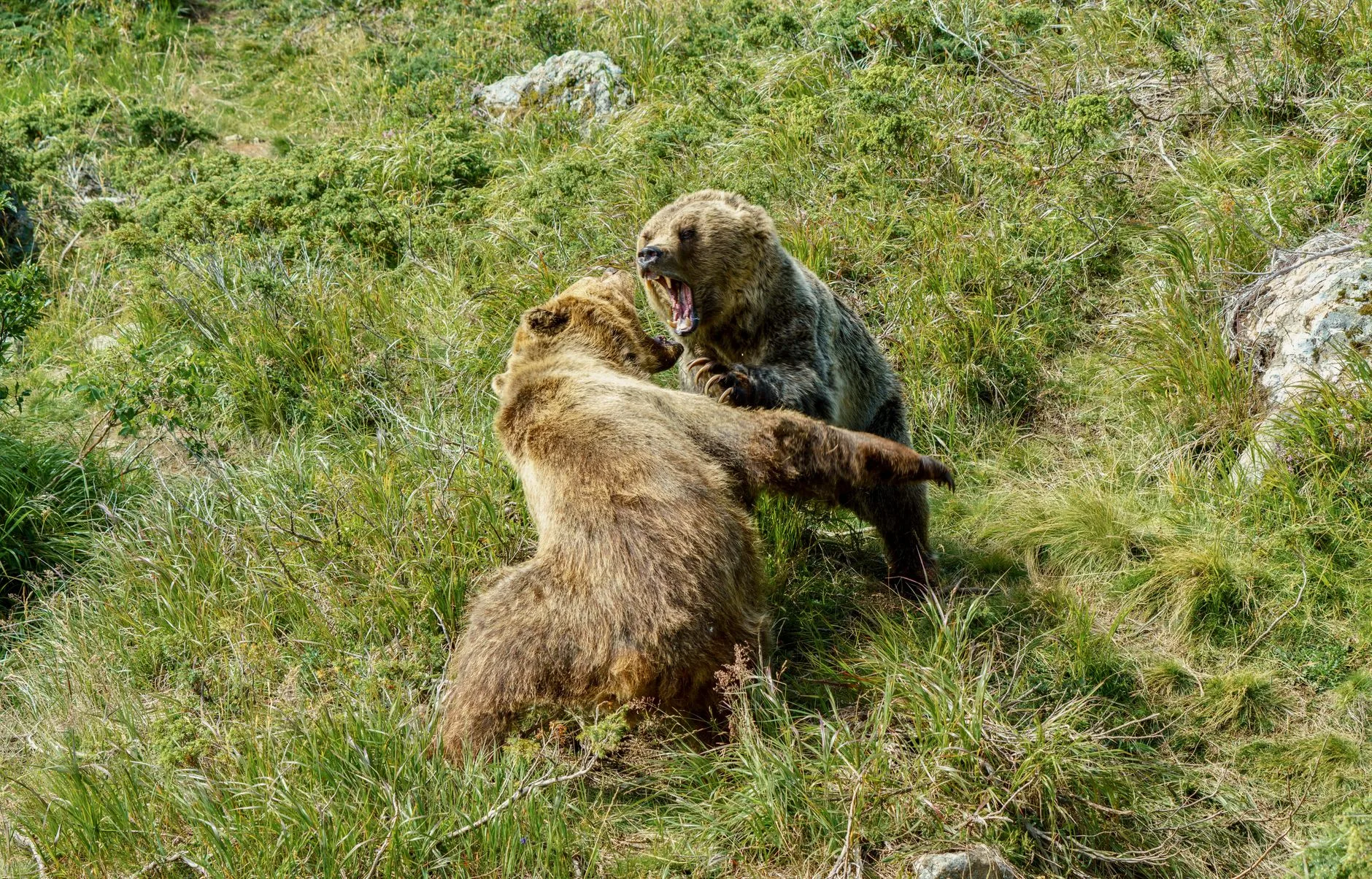
For most Montanans alive today, grizzly bears have always been a mountain thing — Glacier, the Bob Marshall, the Beartooths. The open prairie was where you didn’t have to think about them. That’s changing, and if you spend any time farming, ranching, hunting, or just driving the Hi-Line, you need to pay attention to what’s happening right now.
This video from Wildside America documents something that would have sounded like a tall tale twenty years ago: grizzlies moving out of the mountains and onto Montana’s open prairie, raiding cornfields to bulk up before hibernation. It’s not a one-off. According to Montana Fish, Wildlife & Parks, confirmed grizzly activity has been documented well out onto the prairie in Pondera, Teton, and Chouteau counties in recent years. The Northern Continental Divide Ecosystem — anchored by Glacier National Park and the Bob Marshall Wilderness — now supports an estimated population of more than 1,000 grizzlies, up from fewer than 400 in the 1980s, according to USFWS recovery data. As that core population grows, younger bears in particular get pushed to the margins looking for unclaimed territory and reliable food sources. The mountains are getting crowded. The prairie is the next frontier — just like it was 200 years ago before market hunting and settlement wiped grizzlies from the flatlands entirely.
What the Range Maps Are Actually Showing
Montana FWP updates its grizzly distribution data annually, and the trend line has been consistently eastward along the Rocky Mountain Front. Bears are now being confirmed in drainages that feed the Marias River, the Two Medicine River, and the Teton River well below the mountain foothills. The Sun River Game Preserve east of Augusta — long considered a reliable buffer zone between mountain grizzly habitat and open ag country — is seeing more bears pushing through than at any point in recent memory. Hunters working Block Management areas and public land in Teton and Pondera counties this fall are operating in a fundamentally different risk environment than they were a decade ago, even if the country looks the same.
The Cornfield Problem Nobody Had a Policy For
The agricultural conflict angle in this video is worth taking seriously. When a 400-pound bear figures out that a standing cornfield is a hyperphagia buffet — easy, high-calorie food available in bulk right when bears are trying to put on maximum weight before denning — you’ve got a conflict situation that’s structurally different from a bear getting into a beehive in the backcountry. Montana has a livestock depredation compensation program administered through FWP, and USDA Wildlife Services runs conflict response teams across the state. But row crop damage from grizzlies is genuinely new territory, and compensation pathways for grain or corn loss are less clearly defined than they are for cattle and sheep. The policy framework is playing catch-up with where the bears actually are.
Practical Takeaways for Hunters Working the Front and Transition Zones
Elk and deer hunters working the Rocky Mountain Front out of Choteau, Augusta, or Dupuyer already know the basics. But if you’re hunting transition zone country east of the mountains this fall — coulees along the Teton River, creek bottoms in the Marias drainage, or BLM ground in northern Pondera County — here’s what to keep in mind:
- Carry bear spray and keep it accessible. Not in your pack — on your hip, where you can reach it in under three seconds. This applies to archery and rifle seasons equally. Montana FWP recommends a minimum canister size of 7.9 oz with a minimum 1% capsaicin concentration.
- Have a gut pile plan before you pull the trigger. If you kill an elk or deer in grizzly country, decide in advance how you’re handling the gut pile and carcass. If you need to leave meat overnight, hang it or cache it away from your camp and flag the location so you know what you’re walking back into. FWP’s guidelines recommend a minimum 200-yard buffer between your camp and any cached meat.
- Report confirmed or suspected grizzly sign. Tracks, scat, digging, and carcass activity should be reported to Montana FWP Region 4 (Great Falls) at (406) 454-5840. This data directly informs the annual distribution mapping and helps the agency deploy conflict response resources appropriately.
- Know the legal framework. Grizzly bears remain listed as threatened under the Endangered Species Act across Montana. Hunting them is not legal, and the regulations around defense of life situations are specific — knowing them before you go afield is not optional. FWP’s Hunting in Grizzly Country guidelines are available on the agency website and worth reading in full before your season starts.
- Talk to landowners before you access Block Management ground in the area. Ranchers working this country often have the most current on-the-ground information about where bears are showing up. That’s not just courtesy — it’s useful intelligence.
The Bigger Picture
Love grizzlies or lose sleep over them, this range expansion is one of the most significant wildlife management stories playing out in Montana right now. It’s a genuine conservation success story and a genuine land-use conflict at the same time, and both of those things can be true. Watch the Wildside America video — they do honest field documentation — and then think carefully about what it means the next time you’re glassing a coulee east of the Front. The prairie grizzly isn’t a historical footnote anymore. It’s a present-tense fact, and this fall’s hunting season is a good time to treat it like one.
Montana's outdoor week, in your inbox at 7am Friday.