
Anglers, grab your gear—but you might need to check your GPS first.
Word is that the North Dakota Game and Fish Department just did something historic. For the first time ever, they have officially stocked tiger trout directly into the Missouri River, right south of the Garrison Dam.
Now, full disclosure: we know this isn’t technically happening in Montana. But hey, it’s happening in the Missouri River just over in our neighboring state, which is close enough for a road trip excuse, right?
What Exactly Is a Tiger Trout?
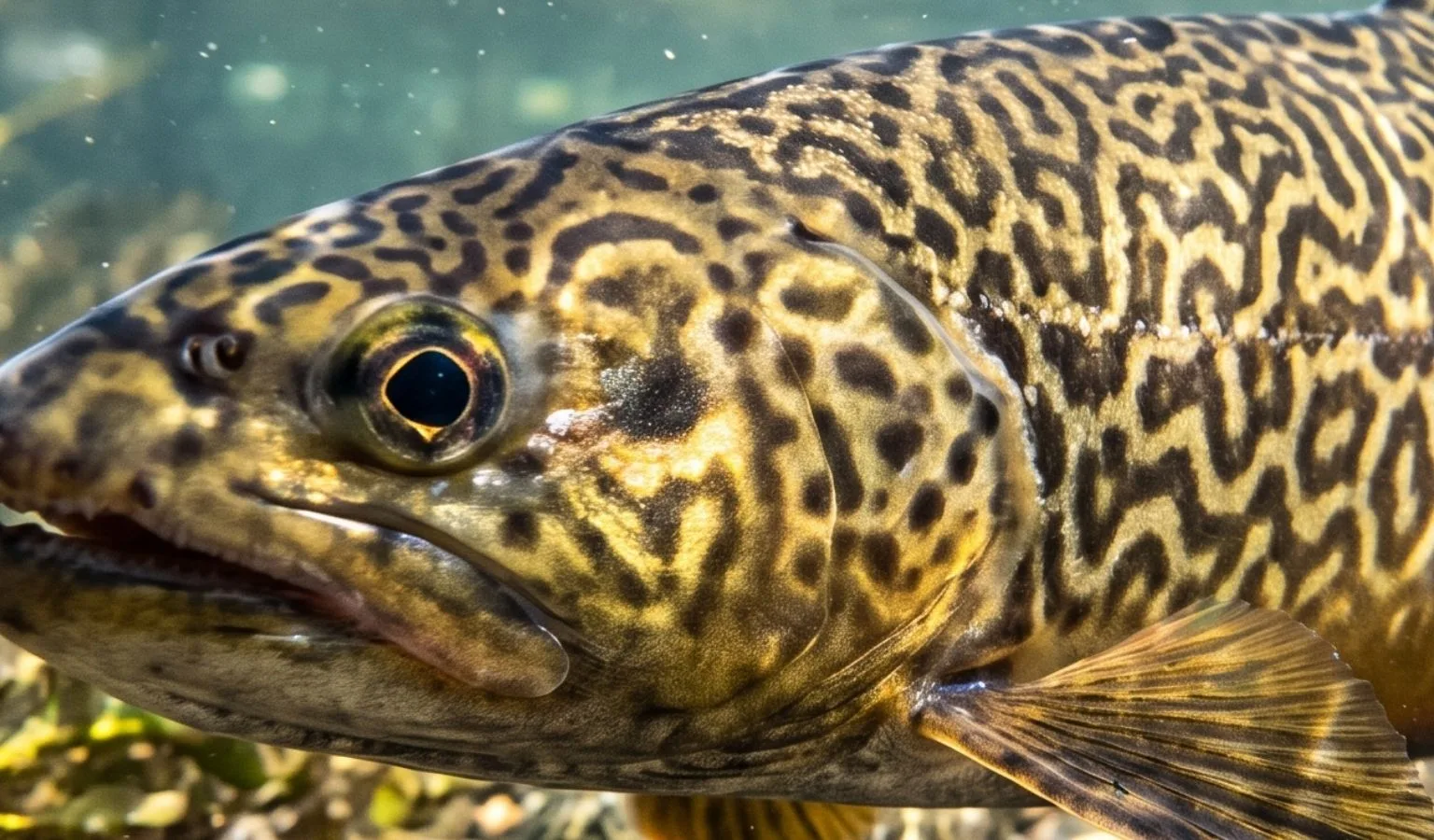
If you aren’t familiar with the tiger trout, it’s essentially the mad-science experiment of the fish world. They are a sterile hybrid—a cross between a female brown trout and a male brook trout. Because they can’t reproduce, they spend less energy worrying about the dating pool and more time growing aggressively large and sporting some of the most striking, maze-like stripes you’ll ever see on a fish.
The name fits perfectly. That wild, vermiculated pattern—swirling lines of gold, amber, and dark olive—looks less like a fish and more like something a tattoo artist dreamed up after a long week. No two tiger trout look exactly alike, which makes landing one feel like catching something genuinely rare, even when they’ve been deliberately stocked.
Beyond the looks, tiger trout have a reputation for being aggressive feeders. Because they’re sterile and not burning calories on spawning runs or territorial breeding behavior, they tend to put nearly all their energy into eating and growing. That combination of striking appearance and hard-fighting temperament is exactly what makes them so attractive to fish managers looking to create a memorable angling experience in waters that can handle the stocking program.
Why the Missouri River Below Garrison Dam?
This isn’t a random choice of location. The tailwater stretch of the Missouri River immediately below Garrison Dam is already one of the more productive trout fisheries in the upper Great Plains. Cold, clear, and oxygen-rich water releases from the dam create conditions that more closely resemble a Rocky Mountain trout stream than what most people picture when they think of the Missouri rolling through the Dakotas.
Tailwater fisheries like this one tend to maintain stable, cool temperatures year-round, which is exactly what trout need to thrive. The river below Garrison has historically held brown trout and rainbow trout populations, so adding tiger trout to that existing community isn’t as far-fetched as it might sound. Fish managers from North Dakota, with assistance from Wyoming, clearly saw this stretch as a prime candidate to expand the diversity of the fishery and give anglers something new to chase.
Because tiger trout are sterile, there’s also less concern about them disrupting the genetics of existing wild trout populations. That’s a big deal from a conservation standpoint. Managers can create an exciting stocked fishery without the ecological risks that sometimes come with introducing reproducing non-native species into a river system.
How Montana Anglers Should Think About This
Montana fly-fishers love their local streams, and for good reason. We have some of the finest trout water on the continent right here at home—the Madison, the Gallatin, the Bighorn, the Yellowstone, and countless spring creeks and freestone streams in between. But the Missouri River doesn’t stop at the state line, and neither does the sense of adventure that drives most of us to pick up a rod in the first place.
North Dakota’s move, with the help of Wyoming, just added a very shiny, very striped wildcard to the Missouri River ecosystem. If you’ve been looking for a reason to pack up the truck and explore a different stretch of the Missouri, this hybrid might just be your sign.
For anglers in the eastern part of Montana, the drive to the Garrison Dam tailwater is genuinely manageable—far less haul than you might expect. Anyone already making trips to fish Lake Sakakawea walleye or explore North Dakota’s reservoir fisheries will find this new tiger trout stocking an easy addition to the itinerary.
Tips for Targeting Tiger Trout
If you do make the trip, it helps to go in with a game plan. Tiger trout behave a lot like brown trout in many respects—they tend to hold in structure, are opportunistic and aggressive, and can be targeted effectively with a range of techniques. Here are a few things worth keeping in mind:
Streamer Fishing
Given their aggressive feeding tendencies, tiger trout respond well to streamers. Big, flashy, articulated patterns stripped through likely holding water can trigger explosive strikes. Think of it like hunting for brown trout that never had anyone tell them to be selective.
Spinners and Spoons
For gear anglers, inline spinners and small spoons can be deadly on tiger trout. Their predatory instincts make them susceptible to anything that triggers a reaction strike. Work the edges of current seams, behind boulders, and along any undercut structure you can find.
Match the Hatch When It Makes Sense
Don’t completely abandon dry flies and nymphs just because tiger trout have a reputation for aggression. In a productive tailwater like the Missouri below Garrison, insect hatches can be significant, and trout of all kinds will key on them. Carry a selection of midges and mayfly patterns appropriate to the season.
Time of Day Matters
Like their brown trout cousins, tiger trout can be most active during low-light periods—early morning and evening. Midday fishing can still be productive in cooler months, but if you’re chasing a trophy-class fish, dawn and dusk are your friends.
Check Regulations Before You Go
This one goes without saying, but always check the current North Dakota Game and Fish Department regulations before heading out. Bag limits, gear restrictions, and any special rules for the Garrison tailwater section will be spelled out there, and they can change from season to season.
Could This Inspire Montana to Follow Suit?
That’s the question some Montana anglers will inevitably start asking. Montana Fish, Wildlife & Parks has historically managed its trout fisheries with a strong emphasis on wild fish and natural reproduction, which is a philosophy most of us deeply appreciate. The blue-ribbon streams of southwest Montana earned their reputation the hard way, and protecting that quality matters.
That said, Montana does have some waters where stocked trout programs already play a role, particularly in reservoirs, lakes, and certain urban fisheries where natural recruitment is limited. Whether tiger trout ever find their way into any Montana water is a question for FWP and the public processes that guide those decisions. It’s worth watching how North Dakota’s experiment plays out over the next few seasons—because if tiger trout thrive in that Missouri River tailwater, the conversation could get interesting.
For now, though, the show is happening just across the state line, and that’s reason enough to pay attention.
The Bigger Picture: A Missouri River Worth Exploring
The Missouri River has a complicated and fascinating history in the context of western fishing and conservation. From its headwaters in southwest Montana—where the Jefferson, Madison, and Gallatin converge near Three Forks—to its long journey through the Dakotas and beyond, the river has been shaped by dams, diversions, and decades of management decisions. Each stretch tells a different story.
What’s happening below Garrison Dam is a reminder that fish management is always evolving. States are constantly looking for creative ways to improve angling opportunities, diversify their fisheries, and give anglers new reasons to explore. Sometimes that means restoring native species. Sometimes it means a hybrid trout with tiger stripes and a chip on its shoulder.
Either way, the Missouri River just got a little more interesting—and that’s good news for anyone with a fishing rod and a sense of adventure.
Happy fishing—whichever side of the state line you land on!
Montana's outdoor week, in your inbox at 7am Friday.