
Helena Area Reservoirs Fishing Report – September 14, 2026
September is one of the best months to be on the water near Helena. Cooler air temperatures push fish into more predictable patterns, forage fish begin staging, and the summer boat traffic thins out considerably. Whether you’re targeting walleye on Canyon Ferry, chasing rainbows at Hauser and Holter, or snagging kokanee at the Helena Valley Regulating Reservoir, the Helena area reservoir system offers some of the most diverse freshwater fishing in Montana right now. Here’s the full breakdown from Montana Fish, Wildlife & Parks.
Canyon Ferry Reservoir
Canyon Ferry: Walleye fishing continues to provide action throughout the reservoir with the best area being while fishing the east shoreline both north and south of Goose Bay. Trolling bottom bouncers with a worm harness in 20 to 30 feet of water or jigs with a worm provided the best action. Walleyes are also being picked up around Confederate and between the Silos and the Ponds. Rainbows are being caught on walleye gear, lures or cowbells in the traditional walleye spots as well as the north end of the reservoir around Cemetary Island, mid-reservoir around Goose Bay and from the Silos to White Earth. Smallmouth bass continue to be caught on the north end around rocky areas while using jigs with a worm or crankbaits. Shore fishing is slow with a few rainbows and walleyes being caught in Hellgate Bay and Confederate. Troy Humphrey, FWP, Helena
Canyon Ferry Walleye Tips for Mid-September
The east shoreline bite described above makes a lot of sense this time of year. As water temperatures begin their gradual fall decline, walleye move shallower during low-light periods and push into the 20- to 30-foot zone during midday. Bottom bouncers with worm harnesses are a reliable staple because they keep your presentation just above the bottom — right in the walleye’s strike zone — while covering water efficiently when trolling.
If you’re fishing jigs, a 1/4- to 3/8-ounce jig tipped with a nightcrawler or a plastic paddle tail is a good starting point in that depth range. Work the jig slowly along bottom transitions and the edges of rock-to-sand structure. The Confederate and Silos-to-Ponds stretch holds walleye because of the irregular bottom contours and available forage — both worth marking on your GPS for repeat visits.
Canyon Ferry is a large reservoir covering roughly 35 miles in length, so don’t be afraid to run and gun between the highlighted areas until you locate active fish. Walleye can scatter on a big body of water like this, and mid-September can see them spread across a variety of depths as conditions shift day to day.
Rainbows and Smallmouth at Canyon Ferry
The rainbow trout action at Canyon Ferry is a pleasant bonus for anglers primarily targeting walleye. Cowbells — a series of spinning blades trolled ahead of a fly or lure — create flash and vibration that trout find irresistible, and they’re a time-honored Canyon Ferry technique that continues to produce. The north end around Cemetary Island and the mid-reservoir Goose Bay area are worth targeting specifically for rainbows if that’s your focus.
Smallmouth bass anglers should note that rocky structure on the north end is holding fish well right now. September smallmouth are typically feeding aggressively as they put on weight before winter. Jigs with a worm or crayfish-style trailer and medium-diving crankbaits in natural colors are both productive. Work the boulders and rocky points methodically — smallmouth tend to stack up on specific pieces of structure rather than spread out evenly.
Hauser Reservoir
Hauser: Rainbow action has really turned on lately. The Causeway has been producing good numbers of trout while using various nymphs or leech pattern flies. Boat anglers are doing well between Soup Creek and the Powerlines and out from Black/White Sandy while trolling crankbaits, spoon or running a wooly bugger behind a set of cowbells. Riverside Campground has been another good spot to pick up a few rainbows while either fly fishing or using bait from shore. Most walleye have been picked up while fishing inside the Causeway arm with jigs and crawlers or slip bobbers and leeches. Chris Hurley, FWP, Helena
Fly Fishing Hauser in September
Hauser sits between Canyon Ferry and Holter on the Missouri River, and its character is somewhat different from its larger neighbors — it’s narrower, with more defined structure and excellent fly fishing access, particularly around the Causeway. The leech pattern bite mentioned above is very much a September phenomenon. As water cools, leeches become a primary food source for trout, and large patterns in black, olive, or burgundy can draw aggressive strikes. Nymphs like hare’s ears, pheasant tails, and midge patterns in size 14–18 are worth cycling through if the leech bite slows.
The Riverside Campground area is a dependable shore fishing location that doesn’t require a boat. For those fishing bait, PowerBait in a floating formula or a small piece of nightcrawler under a slip float can be very effective for hatchery rainbows holding near the bank. Always check current FWP regulations for bait restrictions on any specific section of Hauser before fishing.
Hauser Walleye Timing
The Causeway arm walleye bite tends to pick up during dawn and dusk. Slip bobbers with leeches are a particularly versatile presentation here because you can dial in the exact depth you want to suspend the bait. If the jig bite stalls during midday, switching to a slip bobber rig and letting it work in the current seams near the Causeway structure can keep the action going.
Holter Reservoir
Holter: Rainbow fishing has been great throughout most of the reservoir, especially on the lower end between Split Rock and the Dam. Trolling either dodgers or cowbells with spinner combos tipped with a worm, wooly bugger or corn has been producing great numbers of trout and an occasional kokanee salmon as well. Fly fishing between the Gates of the Mountains and Hauser Dam with various nymphs or streamers continues to produce some nice trout. Most walleye and perch are being caught inside the Canyon, out from Cottonwood Creek, and the Oxbow Bend area while pitching jigs or using slip bobbers and night crawlers along the weed beds. Chris Hurley, FWP, Helena
Why Holter’s Lower End Shines in Fall
The lower end of Holter, between Split Rock and the Dam, is a consistent fall hotspot for a simple reason: cooler, oxygenated water pulling through from the dam creates ideal conditions for trout. Fish congregate here to feed, and trolling setups that cover the water column — dodgers or cowbells paired with spinner combos — put your presentation in front of a lot of fish efficiently. Tipping with corn may seem unconventional, but it’s a well-established tactic on Montana reservoirs that continues to catch fish.
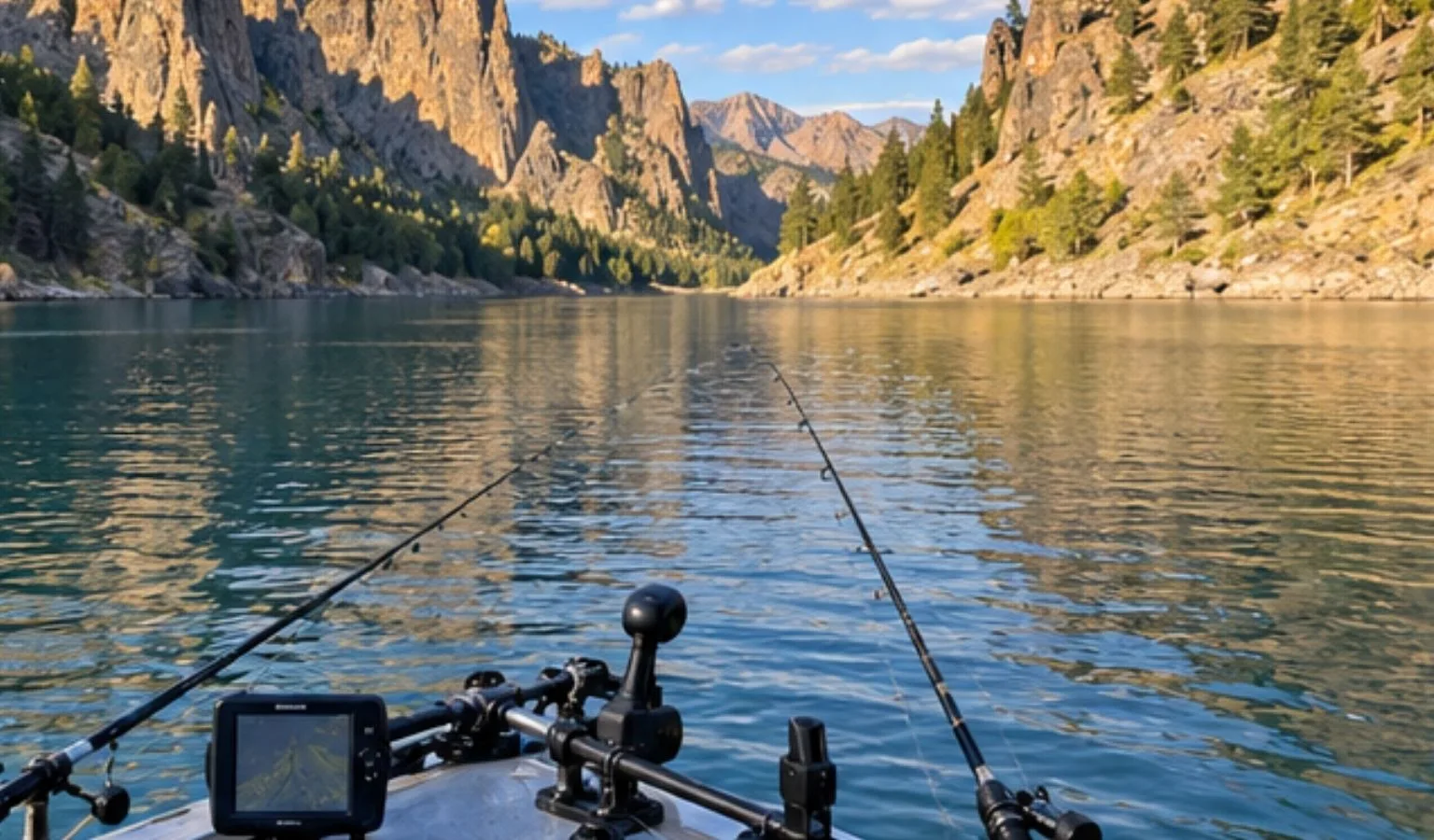
The Gates of the Mountains stretch is one of the most scenic places to fly fish in Montana, full stop. Towering limestone cliffs frame the Missouri River as it flows through this geologically dramatic corridor, and the trout fishing between the canyon walls and Hauser Dam can be exceptional with streamers and nymphs. Woolly buggers, Zuddlers, or sculpin patterns stripped through the deeper runs can draw strikes from larger resident trout that have been in the system all summer.
Holter Walleye and Perch
Perch are often an overlooked fishery on Holter, but September is a great time to target them around weed edges near Cottonwood Creek and the Oxbow Bend area. Light jigs tipped with a small piece of nightcrawler are tough to beat. Perch tend to school tightly, so once you locate them, stay put and work the area thoroughly. They’re excellent table fare and make for a great target when walleye action is slower during midday hours.
Helena Valley Regulating Reservoir – Kokanee Snagging
Helena Valley Regulating Reservoir: Snagging has been going well, and anglers are seeing larger fish this year. The snagging season for Kokanee Salmon opened on September 1st and will run through October 31st. Limits are 35 salmon daily with 70 in possession. Chris Hurley, FWP, Helena
What to Know About Kokanee Snagging Season
Kokanee salmon are landlocked sockeye, and each fall they stage and move through the Helena Valley Regulating Reservoir in impressive numbers, triggering one of the most unique and action-packed fishing opportunities in the Helena area. Snagging — using weighted treble hooks to foul-hook fish as they move — is the primary method here and is both legal and traditional during the designated season. The fact that anglers are seeing larger fish this year is a promising sign for the kokanee population in this system.
If you haven’t snagged kokanee before, the setup is straightforward: a medium-heavy rod, a strong monofilament or braided line, and a weighted snagging rig. Cast into the moving school and sweep the rod to snag a fish. It’s fast, physical, and a great way to fill a cooler. Kokanee in full spawning colors — bright red bodies with olive-green heads — are striking fish, and even at table size they’re outstanding eating, especially when smoked.
Possession limits and season dates are set by FWP, so always verify the current rules at myfwp.mt.gov before heading out, as regulations can change from year to year.
General Tips for Helena Reservoir Fishing This Time of Year
September on the Helena reservoirs is a transitional month, and anglers who adapt to changing conditions will consistently out-fish those who stick rigidly to summer patterns. A few things to keep in mind as you plan your trips:
- Water temperature matters. As surface temps drop into the mid-50s and below, trout and walleye become more active throughout the day rather than concentrating their feeding in early morning and evening windows only.
- Wind can be your friend. A sustained breeze that pushes baitfish against a shoreline often triggers feeding frenzies. Watch for wind-blown points and bays on Canyon Ferry and Holter especially.
- Boat ramp etiquette and access. Multiple public access sites exist around all three major reservoirs. FWP maintains numerous campgrounds and fishing access sites — plan ahead and have a backup ramp in mind, as fall weekends can still see solid traffic.
- Layer up. September mornings on the water near Helena can be cold, with temperatures sometimes dropping near freezing overnight. Dress in layers and bring rain gear — afternoon weather can change quickly in the mountains.
For the most current fishing reports, license purchasing, and regulation information, visit Montana FWP’s official site. Good luck out there — the Helena reservoirs are fishing well, and there’s plenty of fall season left to take advantage of it.
Montana's outdoor week, in your inbox at 7am Friday.