
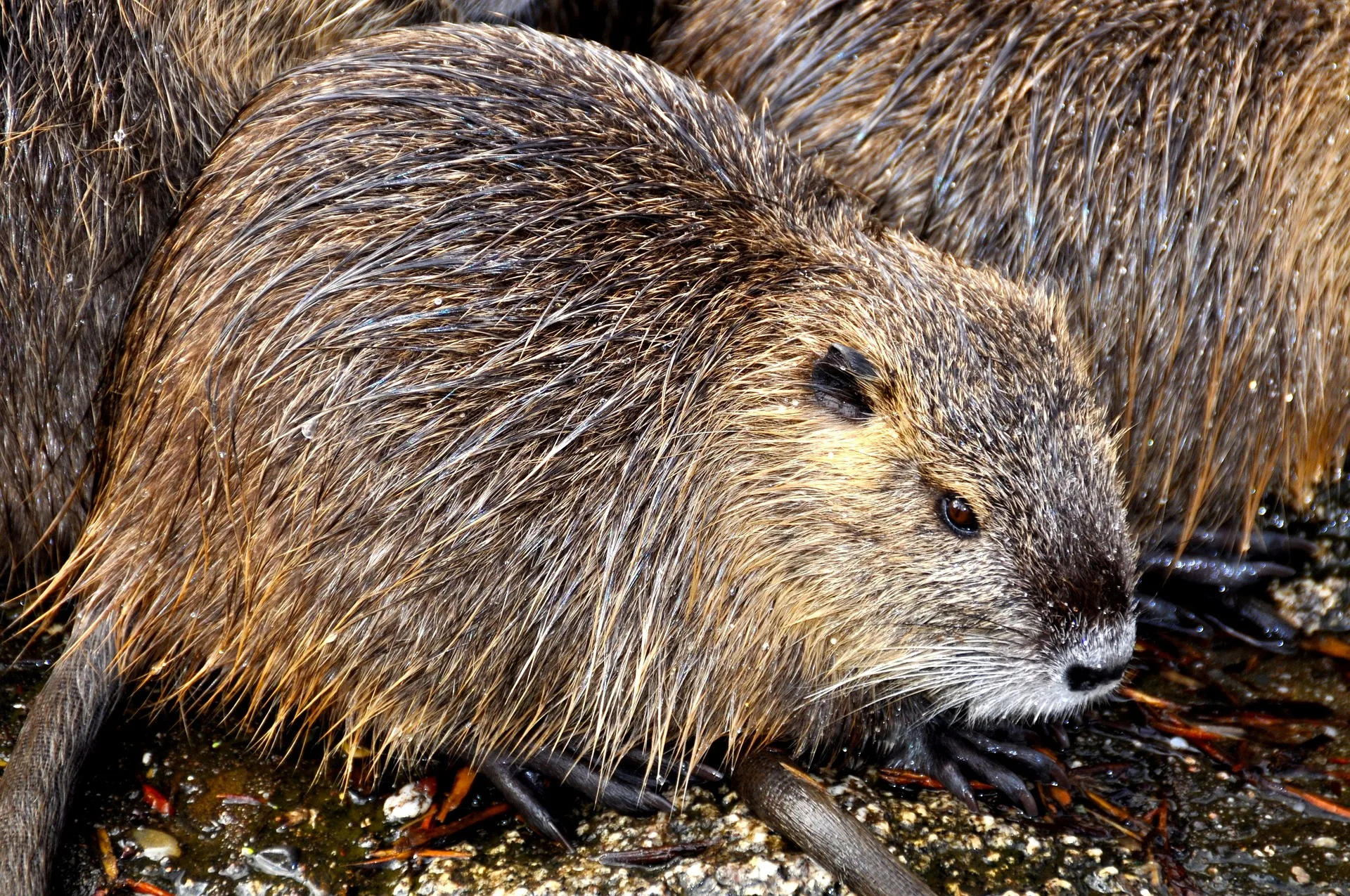
Tularemia Detected in St. Mary Lake Area of Glacier National Park
WEST GLACIER, Mont. – Park officials have confirmed that a beaver discovered between Upper and Lower St. Mary Lakes in Glacier National Park recently tested positive for tularemia, a rare but serious bacterial disease.
Tularemia occurs naturally and can affect both wildlife, pets and humans. The disease is most commonly transmitted through bites from infected ticks or flies, and can cause wildlife illness and death, especially in voles, rabbits, beavers and other small rodents. Humans and pets can contract tularemia through contact with infected animals, contaminated food or water, inhalation, or tick bites. Person-to-person transmission is rare, but exposure can cause serious health risks.
To reduce the risk of tularemia infection, visitors are advised to follow these precautions:
- Apply insect repellent regularly.
- Wash hands thoroughly and often.
- Keep a safe distance from wildlife.
- Drink only water that has been treated or boiled.
In humans, tularemia can cause a wide range of symptoms, including fever and chills, joint pain, muscle aches, headaches, dry cough, chest pain, skin ulcers or sores at the site of a tick bite, and swollen lymph nodes. Anyone who develops these symptoms within two weeks of visiting an affected area should seek medical attention and tell their healthcare provider about possible exposure to tularemia. The disease is treatable with antibiotics when diagnosed early.
For additional information on Tularemia visit Tularemia (U.S. National Park Service).