
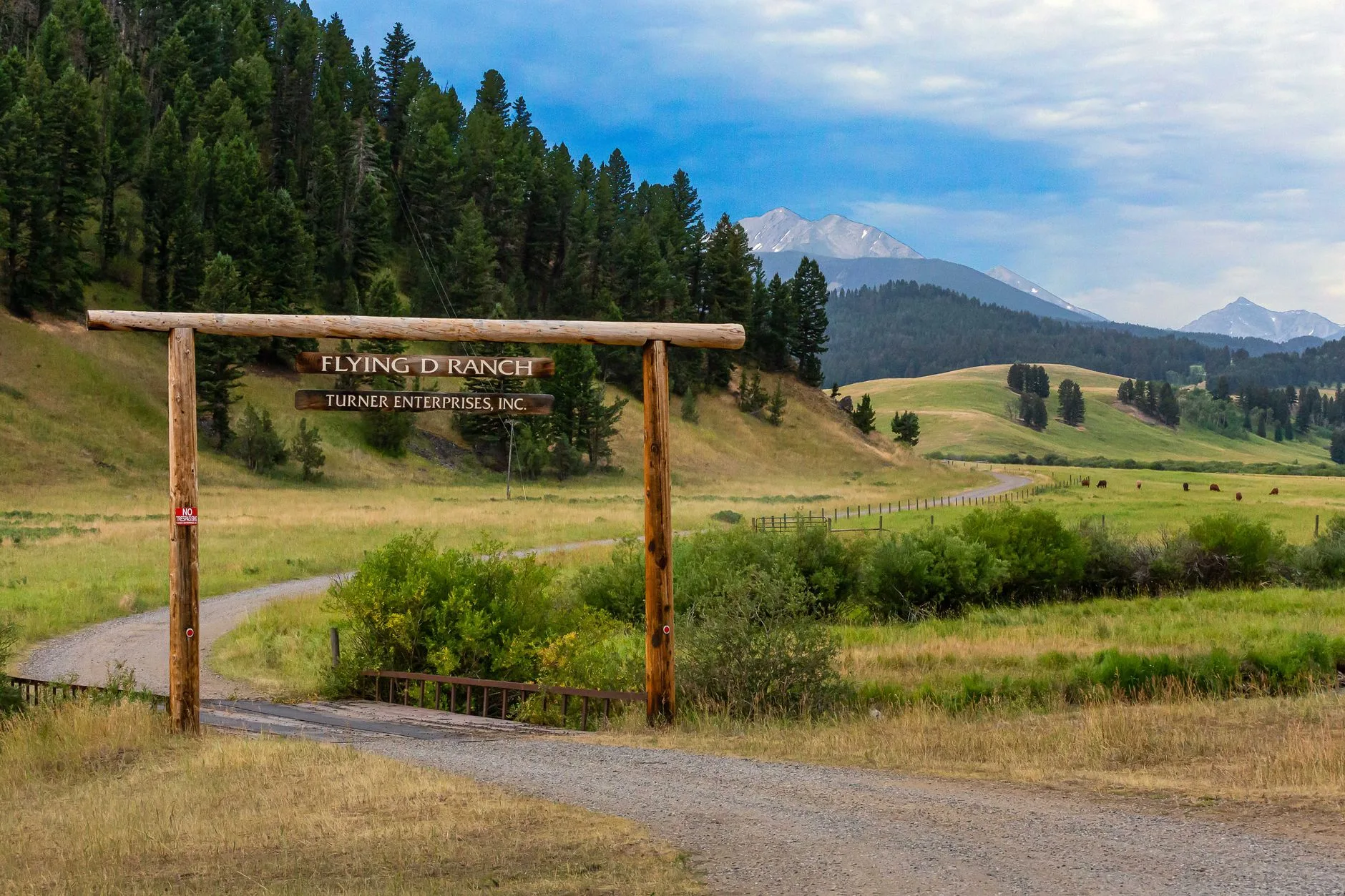
Montana ranches have been hosting anglers since before most Western states had paved roads — and the ones worth fishing today still offer something no resort can replicate: private water that doesn’t get hammered every morning by six drift boats and a shuttle rig.
Dude ranches get a bad rap in fishing circles. People picture greenhorns in borrowed boots and trail rides to a scenic overlook. And sure, that exists. But the serious fishing operations scattered across this state control some of the most productive water you’ll never find on a public access map — spring creeks running clear all year, ranch ponds holding browns that haven’t seen a fly in months, and stretches of river frontage where the only boot prints in the mud are yours.
The Access Advantage
Public pressure on Montana’s blue-ribbon rivers has gotten bad. Launch sites on the Madison, the Bighorn, and the Missouri see lineups before first light during peak season. Walk-and-wade spots that used to fish well into mid-morning now get worked over by 7 a.m. I’ve watched the Beaverhead go from a quiet weekday option to a parade of drift boats on a Tuesday in July. Guest ranches sidestep all of it.
Most sit on substantial private acreage with their own water or exclusive easements. You’re rolling out of bed and walking to the creek — not circling a gravel lot or rigging up in the dark to beat the crowd. The fish see fewer flies. You work water at your own pace without burning half your fishing day on logistics that have nothing to do with fishing.
Ranch staff typically know that water the way most of us only wish we knew our home rivers. Which holes hold fish in low water. Where the big browns stack up after runoff clears. What’s hatching and when. That kind of local knowledge takes years to build on your own, and honest ranch hands will give it to you straight over breakfast.
Beyond the Fishing
The ranch model also solves the parts of a trip that can quietly wreck a good week on the water. Home-cooked meals mean you’re not burning evening hours driving forty minutes to the nearest town or standing in line at the one decent restaurant in Ennis. Lodging is handled. If a cold front blows through and the fishing goes sideways — and it will, at some point — there’s horseback riding, wildlife watching, or just a porch and decent company to fall back on.
For anyone traveling with a partner or kids who don’t want to fish twelve hours a day, this setup actually works. Everyone gets their version of Montana. The angler gets serious time on the water. The non-angler gets trail rides and mountain scenery and something to talk about at dinner. You meet back up in the evening instead of negotiating two separate itineraries from a motel parking lot.
What to Look For
Not every guest ranch is built with anglers in mind, and the difference matters. Before you book, ask specific questions: What water do you have access to, and how many guests are fishing it at once? Is it catch-and-release? Do you have guides on staff or is it self-guided? Are meal times flexible during evening hatches? Any operation worth your money will answer those questions directly. If they’re evasive or the pitch sounds like a brochure, keep looking.
Timing matters more than most people account for. Spring runoff can blow out access and visibility well into June depending on snowpack — ask anyone who’s driven to the Ruby Valley in late May hoping for clear water and found chocolate milk. Late summer through fall is where the ranch fishing model really shines: lower, clearer water, established hatch patterns, and fewer guests as families head home after Labor Day. A lot of ranches drop their rates outside peak family season, which lines up almost perfectly with some of the best dry fly fishing of the year. Honestly, that shoulder-season window between mid-August and late October might be the single best argument for this whole approach.
The Montana Difference
What separates Montana ranch fishing from similar setups in Wyoming, Colorado, or Texas is something built into state law: our water is public trust. Private land ownership doesn’t extend to the fish or the streambed below the high-water mark. That legal framework shapes how ranches here manage their fisheries. Catch-and-release is standard. Habitat gets protected. There’s a shared understanding that the river running through a ranch belongs to all of us — it’s not a private amenity to be sold off by the fish.
A lot of Montana ranches are also still family operations, not branded resort properties managed from an office in Denver. The person cooking your breakfast may have grown up on that exact piece of ground. That’s not a marketing angle — it’s just how these places tend to work, and it makes a difference you feel pretty quickly.
In my experience, the anglers who dismiss guest ranch fishing as a tourist gimmick are usually the ones who’ve never actually fished private spring creek water at dusk with nobody else around. The model isn’t cheap, but a week of guided float trips, hotel rooms, and restaurant meals in Missoula or Livingston adds up fast too. What you’re buying is time — more of it on the water, less of it dealing with crowds and parking lots and reservation systems. And all of it in country that earns its reputation.
Source inspiration: https://www.msn.com/en-us/lifestyle/other/forget-texas-this-montana-dude-ranch-is-a-rustic-escape-with-cowboy-style-fun-fishing-and-mountain-views/ar-AA2grDFU
Montana's outdoor week, in your inbox at 7am Friday.