
GREAT FALLS – John Lewton, a Montana resident, was sentenced Oct. 20 in federal court in Billings after pleading guilty to violating the federal Lacey Act involving the trafficking of wildlife.
Lewton was fined $20,000 and sentenced to one year of probation. As part of his probation, the court prohibited him from engaging in commercial hunting, fishing, trapping or outfitting activities for one year. He is also prohibited from accompanying others in the field who are engaged in commercial hunting, fishing, trapping or outfitting.
What Happened on the Mountain
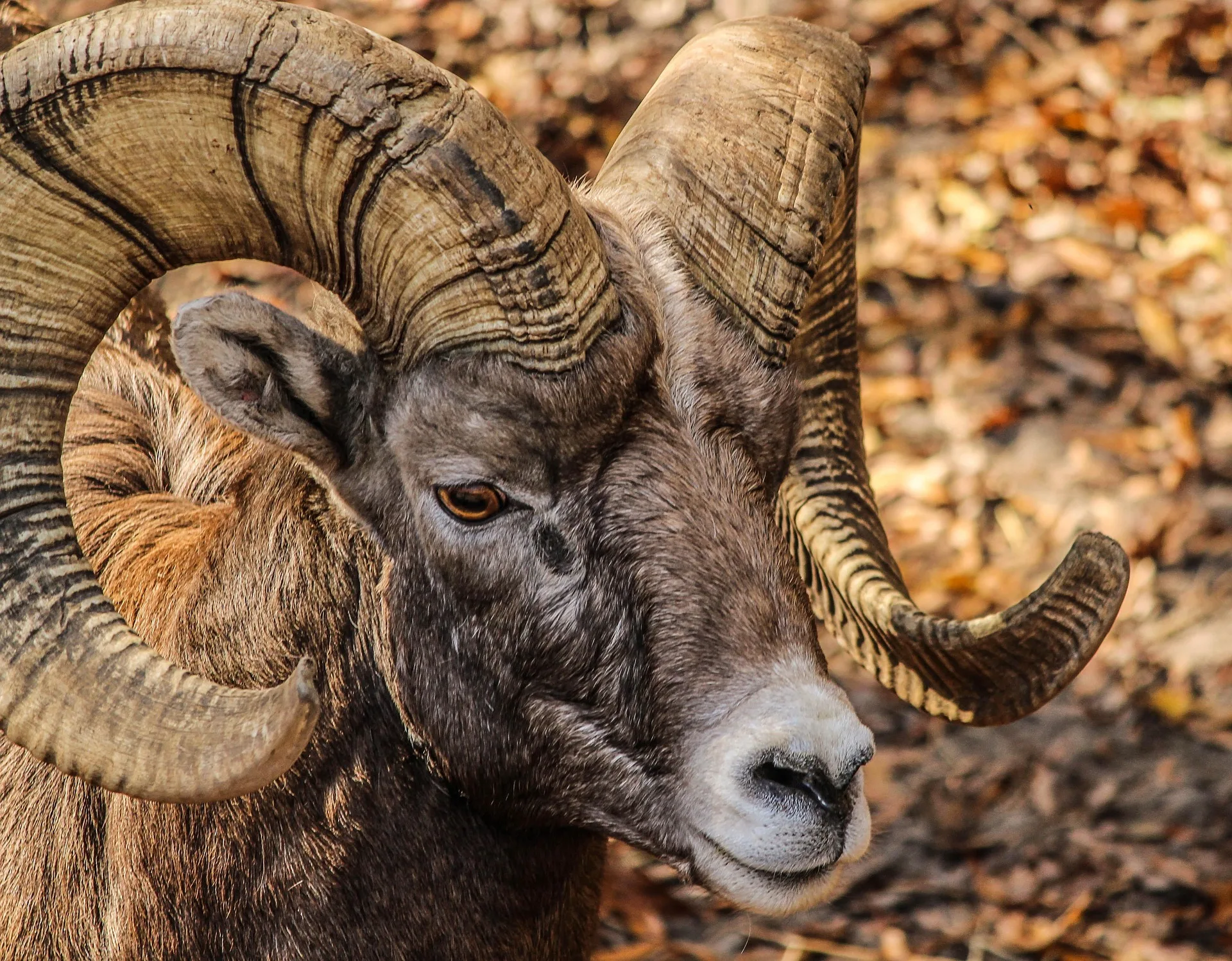
In October 2019 Lewton guided a client on a bighorn sheep hunt on public land in Montana. During the hunt, the client harvested a trophy-sized wild bighorn sheep. Lewton subsequently collected the sheep’s testicles and sold them to an alternative livestock ranch in Vaughn.
The collection and sale of reproductive material from the wild bighorn sheep violated Montana law, which addresses unlawful wildlife activities and offenses involving alternative livestock ranches.
The case highlights concerns about the unlawful movement and sale of wildlife and wildlife genetic material, particularly when those activities threaten native wildlife populations and undermine conservation efforts.
“Montanans have worked hard to protect the wildlife that we all cherish. The individuals in this case, driven by ego and greed, utilized every advantage and technology available to target our biggest and best wildlife,” said Montana Fish, Wildlife & Parks warden investigator Dirk Paulsen.
What Is the Lacey Act?
The Lacey Act is one of the oldest wildlife protection laws in the country, dating back to 1900. At its core, it makes it a federal offense to trade in wildlife, fish or plants that were taken, possessed, transported or sold in violation of state, federal, tribal or foreign law.
That “underlying violation” concept is what makes the law so powerful. A state-level wildlife violation that might otherwise be handled in state court can become a federal case when the wildlife or wildlife parts are bought, sold or moved in commerce. In other words, if the underlying activity breaks Montana law and money changes hands, federal prosecutors have a tool to pursue it.
For hunters and outfitters, the takeaway is simple: you can’t launder an illegal sale through a handshake deal or a quiet phone call. If the sale of a wildlife part violates state law, it can carry federal consequences, including fines, probation, and in more serious cases, prison time and forfeiture.
Why Bighorn Sheep Are Such a Sensitive Issue
Bighorn sheep hold a special place in Montana’s hunting culture. Tags are hard to come by, drawn through limited-entry systems, and a legal ram is considered by many hunters to be the crown jewel of a lifetime of hunting. Montana’s wild sheep country, from the rugged breaks and canyons of the central and eastern parts of the state to the high alpine terrain in the west, is home to herds that have taken decades of work to build and maintain.
That work has largely been driven by hunters, conservation groups, and wildlife managers. Many of Montana’s bighorn populations exist today because of transplant efforts, habitat improvements, and funding generated by sportsmen and women.
The Disease Threat
Bighorn sheep are especially vulnerable to pneumonia-related disease outbreaks, which can sweep through a herd and cause significant die-offs. Contact with domestic sheep and goats, as well as certain pathogens carried by other animals, has long been recognized by wildlife biologists as a major risk to wild sheep. Rebuilding a herd after a die-off can take many years, and some populations never fully recover.
This is why Montana restricts the import and export of prohibited species, as well as the unlawful sale of wildlife and wildlife parts. These regulations help prevent the introduction and spread of disease and protect the state’s native wildlife populations.
Bighorn sheep populations are particularly vulnerable to disease-related die-offs, and introducing prohibited species or their genetic material into the state can pose significant risks to Montana’s wild sheep.
Alternative Livestock and Why the Rules Exist
Alternative livestock ranches, sometimes called game farms, raise certain species of hoofed animals under a regulated framework. Montana law has long drawn a hard line between wild wildlife, which belongs to the public and is managed in trust for all citizens, and privately held animals raised under license.
That separation exists for good reasons. Mixing wild genetics into privately held, fenced operations erodes the principle that wildlife is a public resource, creates opportunities for disease transmission, and opens the door to commercializing animals that are supposed to be managed for the benefit of everyone. It also feeds the market for captive “shooter” operations, where animals are bred for size and hunted inside fences, a practice that many Montana hunters view as fundamentally at odds with fair chase.
FWP warden investigator Bryan Golie has worked on the case since 2020.
“It’s a sad thing to see how these wild sheep genetics were stolen from our citizens, to ultimately end up being sold to out-of-state high-fenced shooter farms for nothing more than a profit and a trophy on the wall,” Golie said.
The Role of Outfitters and Guides
Montana’s outfitting industry is built largely on reputation and trust. Clients put their time, money and, often, the hunt of a lifetime in the hands of a guide. The vast majority of licensed outfitters and guides operate ethically, follow the rules, and take pride in showing clients the state’s wildlife and wild places the right way.
Cases like this one are a reminder of why oversight matters. Guides have access to animals, knowledge of where trophy-class wildlife lives, and opportunities to handle carcasses that clients may never think twice about. When someone in that position abuses it for profit, it damages the credibility of the entire industry and erodes public trust in how wildlife is being managed.
The probation terms in this case, which bar Lewton from commercial hunting, fishing, trapping or outfitting activities, and even from accompanying others in the field who are engaged in those activities, are designed to remove the opportunity for repeat conduct while the sentence is in effect.
What This Means for Montana Hunters and Anglers
If you hunt or fish in Montana, whether on your own or with a guide, there are a few practical considerations worth keeping in mind.
- Know who owns what comes off the animal. If you hire a guide or outfitter, understand ahead of time what happens to the carcass, the meat, the hide, the head and any other parts. Don’t assume it’s fine for someone else to take or sell parts of an animal you harvested.
- Be cautious about the sale of wildlife parts. Montana law places limits on the sale of wildlife and wildlife parts. Rules vary by species and by the type of part involved, so check current FWP regulations before selling, trading or transferring anything.
- Ask questions up front. A reputable outfitter will be transparent about how they handle harvested animals and will have no problem explaining their practices.
- Verify licensing. Montana outfitters are licensed and regulated. If you’re booking a hunt, confirm that your outfitter is properly licensed and in good standing.
- Report suspicious activity. If you see something that doesn’t look right, such as illegal sales, wanton waste, or suspicious handling of wildlife, you can report it to FWP.
How to Report Wildlife Crimes in Montana
Many wildlife cases begin with a tip from an observant hunter, angler or landowner. Montana FWP operates a tip line, TIP-MONT, where people can report suspected violations, and callers can often remain anonymous. Check the FWP website for the most current contact information and reporting options.
When reporting, details matter. Note the date, time, location, a description of the people or vehicles involved, and any other specifics you can safely and legally record. Don’t confront suspected violators; leave the investigation to wardens.
Protecting the Resource for the Next Generation
Montana’s hunting and fishing heritage depends on a shared understanding that wildlife belongs to all of us. The North American Model of Wildlife Conservation rests on principles like public ownership of wildlife, regulated take, and the prohibition on commercial markets for wild game. Cases like this one test those principles, and the outcome shows that they are being enforced.
A $20,000 fine and a year of restrictions won’t undo the concern wildlife managers have about the movement of wild sheep genetics into captive operations. But the case does send a message that the investigative work of FWP wardens and their federal partners is ongoing, and that violations involving wildlife trafficking can and do end up in federal court.
For the rest of us, the best response is simple: hunt fair, follow the rules, stay informed on current regulations, and speak up when something looks wrong. The wild sheep on Montana’s mountains are worth protecting, and that job belongs to everyone who cares about them.
Source: montana FWP
Photo: Pixabay
Montana's outdoor week, in your inbox at 7am Friday.