
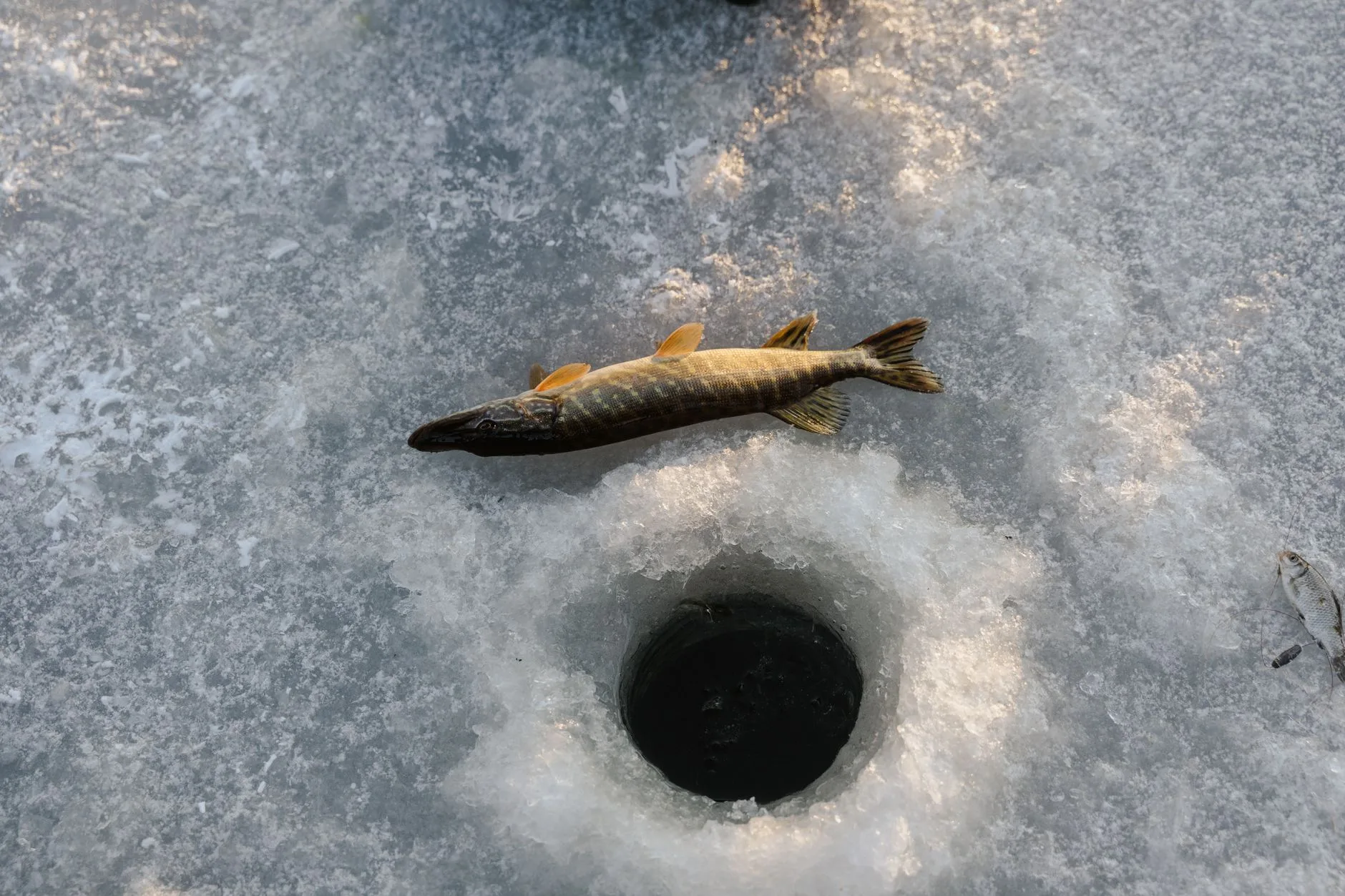
Ice doesn’t negotiate. On Fort Peck, Tiber, and the smaller prairie reservoirs scattered across Phillips, Valley, and Blaine counties, the open-water walleye season ends when the cold decides it does — and right now, this Halloween weekend, that end is close enough to taste. The cottonwoods along the Missouri Breaks are stripped bare, overnight temps have been hammering well below freezing, and the forecast isn’t doing any of us any favors. If you’ve been telling yourself you’ll get out there soon, soon is this weekend.
Some years a warm stretch pushes freeze-up into mid-November. Other years one hard cold snap drops a lid on things and you don’t see open water again until April. This isn’t drama — it’s just late October in northeastern Montana. Stop reading and start loading the truck.
Where the Open Water Is Right Now
Fort Peck Reservoir is still the anchor of this fishery, and its sheer size — roughly 245,000 surface acres — gives it enough thermal mass to hold out a little longer than the smaller impoundments. The main basin west of the dam and the broader mid-lake sections typically stay open into early November in a normal year. The backs of coves, the upper arms near the Missouri River inlet, and any shallow flat exposed to north wind are a different story. Those spots can ice over in a single night when temperatures drop hard. Don’t assume what was open Friday is open Saturday morning.
Tiber Reservoir near Chester is shallower and historically freezes earlier than Fort Peck. At this point in the season, call ahead before you make that drive — what looks like open water from the boat ramp can be skimmed with ice by the time you’ve backed the trailer down. Nelson Reservoir near Saco is the same situation: excellent walleye water, but it can go fast once the cold really locks in. Honestly, a quick call to a bait shop in Havre or a stop at a Glasgow sporting goods counter is worth more than any forecast you’ll find online.
What the Fish Are Doing Right Now
Here’s the thing about late October walleye on Fort Peck — they feed. The long, slow windows of summer are gone, but walleye are cold-water predators by design, and as the water chills they stage in predictable spots and eat with a kind of focused aggression that can make for some of the best fishing of the year. If you’re in the right place at the right time, that is.
Look for fish to be condensing on the last significant structure before the basin drops away. Points that taper into deep water, submerged creek channels where they meet the main reservoir floor, rocky shelves in the mid-depth range — those are your primary targets. The fish aren’t running around right now. They’re sitting tight, conserving energy between feeding bursts, and those bursts tend to happen in low light: early morning, late afternoon into dusk, and overcast midday windows. Show up for those windows. Don’t sleep in.
Tactics That Are Producing
Slow down. That’s it. That’s the adjustment. Most anglers don’t slow down nearly enough for late-season walleye, and it costs them fish. A jigging presentation that worked at a moderate pace in September needs to be dialed way back. Work a three-eighths or half-ounce jig tipped with a paddle tail or a live sucker minnow along bottom structure and let it sit. Count to five. Count to eight. Let it sit longer than feels comfortable, because cold water slows metabolism and reaction time, and these fish are not chasing anything.
A fathead or small sucker on a plain jig head remains the most reliable late-season producer on Fort Peck — the added scent and movement of live bait closes deals that plastics miss when the water gets cold. If you want to run a slow-death rig, thread a minnow on a slow-death hook and drift it just off bottom on a bottom bouncer. The subtle rolling action does the work even when fish are lethargic, and it’s been a consistent cold-water producer across prairie reservoir fisheries for years. On days when walleye are stacked tight on a specific piece of structure — a rock pile, a hard-bottom point — a blade bait worked vertically and allowed to flutter on the fall is a precise, effective tool. Just know it’s a finishing bait, not a search bait. Find the fish first, then put the blade on them.
Don’t overlook northern pike in the shallow weedy bays that still have open water. Late October pike on Fort Peck’s upper arms and back bays will eat large swimbaits and spoons aggressively before ice locks them into a slower winter pattern. In my experience, that bonus fishing gets overlooked every year by anglers with their heads down chasing walleye, and it shouldn’t.
Before You Go
Dress for the conditions you’ll actually face, not the forecast high. A 38-degree afternoon on Fort Peck in late October feels nothing like a 38-degree afternoon in Glasgow. Wind chill on open water is brutal, hypothermia risk is real, and a cold dunking at a remote boat ramp with nobody else around is a genuine emergency — not an inconvenience. Wear your life jacket on the water. Tell someone your plan and when to expect you back.
Check current regulations and any late-season specifics with Montana Fish, Wildlife & Parks at fwp.mt.gov before you head out. Don’t trust your memory on limits and season details. Take two minutes and confirm.
The eastern Montana walleye season doesn’t announce its end. One morning the ice is there and it’s over. This weekend, the window is still open — but it won’t be for long.
Montana's outdoor week, in your inbox at 7am Friday.