
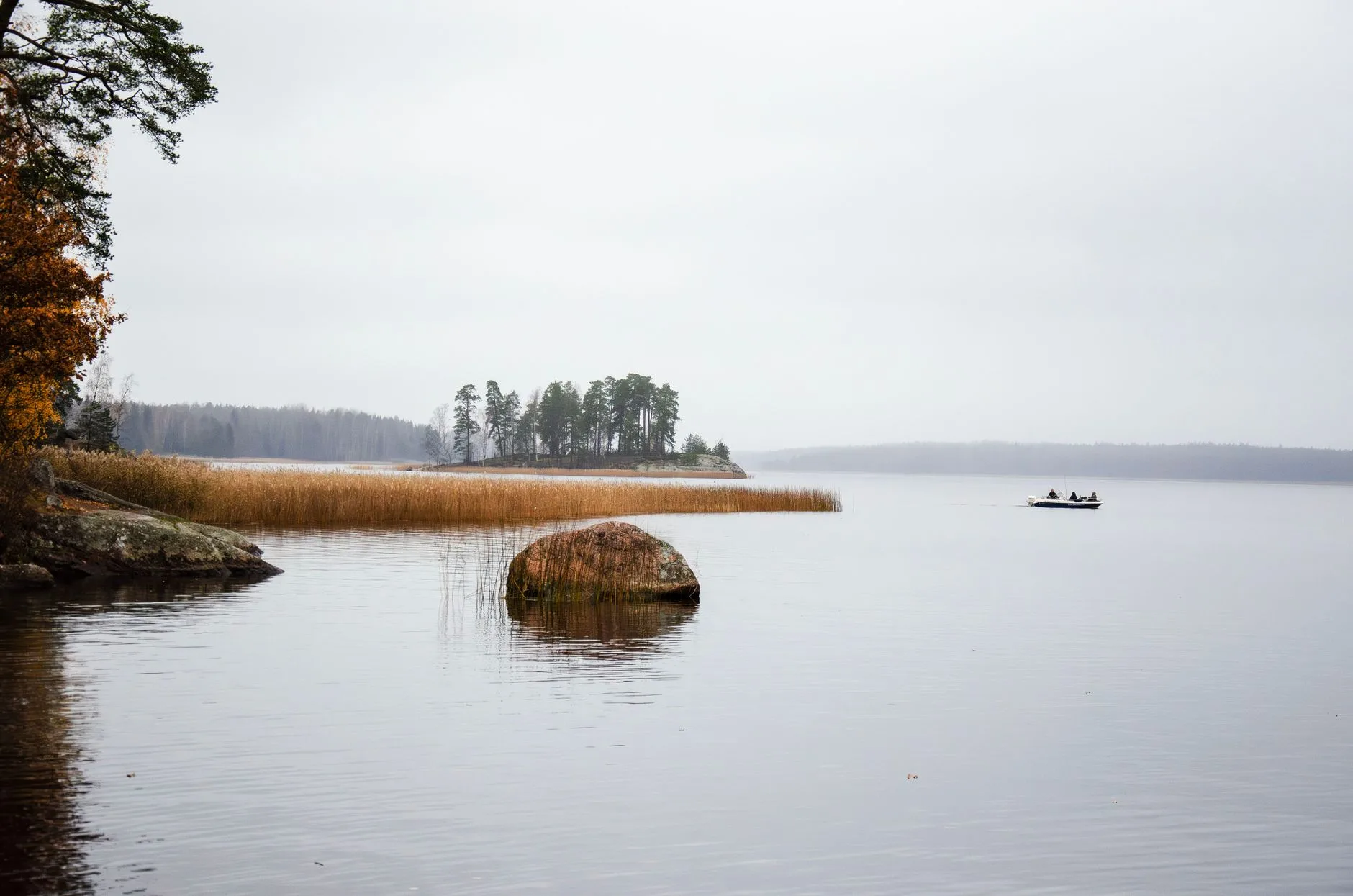
The open-water window on Fort Peck and Tiber is closing. If you haven’t made your run to eastern Montana yet this fall, you’re burning daylight — and the walleye won’t wait.
Late October on these two reservoirs is one of the most productive fishing stretches of the entire year, and most people miss it completely because they’ve already hung up the rods and switched over to hunting season. That’s fine. Less competition at the ramp is fine by me.
Why Late October Changes the Game
Here’s what a lot of anglers get wrong about fall walleye: they assume cold water means slow fish. It doesn’t. As temperatures drop through late October, walleye feed harder, not slower. The days are shrinking, surface temps are falling fast, and these fish are biologically wired to load up before winter shuts down their metabolism. Northern pike — big females especially — get the same memo. You’ll find them shallow and aggressive in ways you won’t see again until April.
That thermal transition between late-fall cooling and actual ice formation is the sweet spot. Fish concentrate on predictable structure, feed on a schedule you can pattern, and honestly they’re easier to catch right now than at any other point in the year. If you know where to look and what to throw, you can put together a serious stringer in a short outing. Don’t overcomplicate it.
Fort Peck: The Big Show
Fort Peck Reservoir is the anchor of eastern Montana walleye fishing, full stop. The sheer size of it — stretching across Phillips and Valley counties with over a thousand miles of shoreline — means there’s always fishable water somewhere, even when wind pushes you off your primary spots. This time of year, focus on main-lake points and the transitions between rocky structure and mud bottom in the mid-lake arms. Walleye are tracking the last of the shad and perch schools, and those baitfish are staging in the ten- to twenty-foot range as temperatures fall.
Jigging is your most versatile tool right now. A quarter- to half-ounce leadhead tipped with a shiner or a plastic paddle tail in white, chartreuse, or anything that mimics a dying perch, worked slowly along bottom transitions, will draw strikes all day long. Don’t sleep on trolling crankbaits along the submerged creek channels in the Pines Recreation Area or the Big Dry Arm either. The fish are moving. Covering water finds them faster than anchoring and hoping.
Northern pike in Fort Peck run large and nasty this time of year. The backwater bays near the Missouri River arm, where the emergent vegetation is dying back, hold pike that are actively hunting the edges. Throw big spinnerbaits, flashy swimbaits, or large streamer-style soft plastics if you want a shot at something worth bragging about. Before you go, confirm current slot limits and possession rules directly with Montana FWP — don’t rely on last year’s rulebook.
Tiber Reservoir: The Underrated Option
Tiber doesn’t get the press Fort Peck does. Tucked in behind Tiber Dam on the Marias River in Liberty County, it sees a fraction of the boat traffic and produces walleye every fall without fail. In my experience, the shallower overall depth of the reservoir actually works in your favor this late in the season — fish that might be suspended at awkward depths elsewhere are easier to reach here. Work the rocky points along the main lake body and the dam face itself. Jigging produces, live-bait rigs with leeches or nightcrawlers produce, and the channel edges where the Marias arm narrows up are worth a pass or two.
If you’re driving up from Great Falls on Highway 2, you’re looking at roughly an hour to the reservoir. Pack for wind. Liberty County in late October is not a place to underestimate the forecast, and Tiber can go from glassy to dangerously choppy in under an hour. Have a contingency plan before you launch, not after things turn ugly.
How Much Time Do You Have?
Days, not weeks. Ice-up on eastern Montana reservoirs is variable — Tiber and Fort Peck can see ice form on protected bays by mid-November in a cold year, sometimes earlier. The main basins tend to hold open a bit longer, but the prime feeding behavior you’re chasing peaks during that cold-but-not-yet-frozen transition. Once ice starts creeping into the coves and the fish sense winter fully settling in, the urgency fades with it.
Here’s the practical reality: if there’s a weekend in the next two to three weeks where the forecast shows manageable wind and above-freezing temperatures, treat it like your last serious opportunity. Because it probably is. Don’t wait for perfect conditions — perfect conditions in late October in eastern Montana are rare. Good enough conditions, though, will still put walleye in the cooler.
Before You Go
Cell service is nonexistent across much of Phillips, Valley, and Liberty counties, so file a float plan before you leave — tell someone where you’re launching and when to expect you back. Dress for the water temperature, not the air temperature. Cold-water immersion is a genuine hazard out there, and a float coat or inflatable PFD is worth every ounce of bulk. Watch the wind forecast obsessively and build flexibility into your plans, because wind is the variable that ends trips early out here more than anything else.
- Regulations: Confirm current possession limits, slot limits, and any special restrictions directly with Montana FWP before your trip.
- Float plan: Tell someone where you’re launching, which reservoir, and when you expect to be off the water. No exceptions.
The window’s open. Go fish it.
Montana's outdoor week, in your inbox at 7am Friday.