
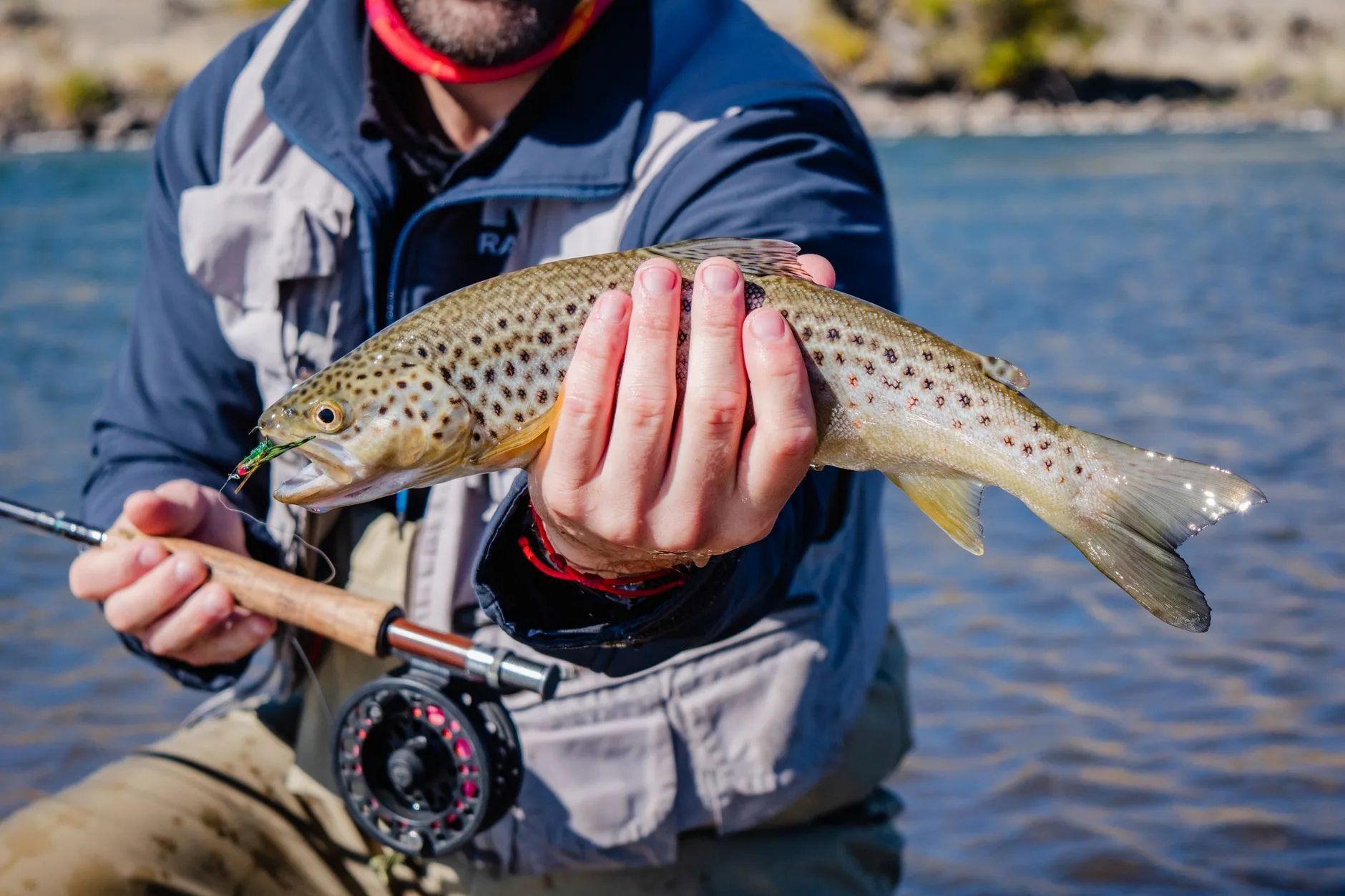
Most visiting anglers pick one Montana river and call it a trip. Casteel Fishing went ahead and fished half the state — hitting iconic water from the Madison River corridor all the way up into Yellowstone National Park — and documented the whole run on camera. If you’ve ever wondered what a serious fly fishing road trip through southwest Montana actually looks like, this video is about as honest a preview as you’re going to get.
The Waters: What You’re Looking At
The Madison River is the obvious headliner here. It runs roughly 140 miles through Montana before emptying into the Missouri near Three Forks, and it’s been a blue-ribbon fishery for decades — the kind of river that shows up in fishing books so often it almost starts to feel mythologized. The reality backs up the reputation. Brown and rainbow trout density in the Madison is genuinely exceptional, and the river fishes well across a long season, from early summer through late fall. Montana Fish, Wildlife & Parks manages much of it under special regulations that vary by section: some stretches are catch-and-release only, others have artificial lure restrictions, and the rules don’t always follow what feels like obvious geographic logic. Pull up the current FWP regulation booklet before you rig up. The wardens know their water, and an honest mistake still costs you the same as an intentional one.
Yellowstone National Park is its own universe. The Firehole, Gibbon, and Yellowstone River above the falls offer some of the most unusual and rewarding trout fishing in the country — geothermally influenced water, wild cutthroats, and a setting that makes it hard to remember you’re supposed to be watching your drift. But the park operates under a completely separate permit system from the rest of Montana. You’ll need a Yellowstone-specific fishing permit, available at any ranger station or visitor center inside the park. Several drainages are closed entirely to protect native Yellowstone cutthroat populations, which have faced serious pressure from illegal lake trout introduction and, historically, overharvest. Know which waters are open before you hike in — not all of them are.
Timing: June Is Honest Water
Fishing in southwest Montana in early summer is a gamble worth taking, but go in with clear eyes. Runoff from the Rockies can push flows high and fast through June, and the difference between blown-out chocolate milk and fishable green water can be a matter of days — or just a few miles of elevation. The upper Madison above Quake Lake often clears before the lower river does. Tributaries clear faster than mainstems. If you’re flexible on where you fish day to day, you’ll find fishable water even in a big runoff year. If you’ve got one stretch circled on the map and no backup plan, you might be watching muddy water from the bank.
That said, June has real upside. Salmonfly and golden stonefly hatches can be exceptional on the Madison when the timing lines up with dropping flows, and fishing a size 6 stonefly dry to visibly feeding browns in fast pocket water is the kind of thing that makes you understand why people plan their whole summer around this river.
Access: Montana’s Stream Access Law Is the Real Deal
One thing this video implicitly demonstrates — and that’s worth stating directly — is how much fishable public water exists in this corridor. Montana’s Stream Access Law gives anglers the right to wade and fish any stream up to the ordinary high-water mark, regardless of who owns the adjacent land. That’s not a small thing. In most western states, private land abutting a river means you’re out of luck unless you’ve got a boat and can float through. In Montana, you can legally wade long stretches of the Madison, the Gallatin, and dozens of smaller tributaries without a landowner’s permission. Respect the law’s limits — don’t cross private land to access the water, and don’t camp on private streamside property — but use the access it gives you.
What to Take Away from the Video
Watching Casteel work through multiple watersheds in a short window is genuinely instructive, even if you never plan to replicate the exact trip. Reading new water fast, adjusting presentations when fish aren’t responding, and making real-time decisions about where to spend your hours — those are skills that don’t come from watching the same home river every season. The fact that they found fish across multiple systems in a notoriously fickle time of year suggests good preparation and a willingness to move when a spot isn’t producing.
Whether you’re a diehard local or planning your first Montana trip, there’s something worth borrowing from that approach. Watch the video, note the water types that produce, and start building your own version of the itinerary. The rivers will be there — and in Montana, more often than not, so will the fish.
Montana's outdoor week, in your inbox at 7am Friday.