
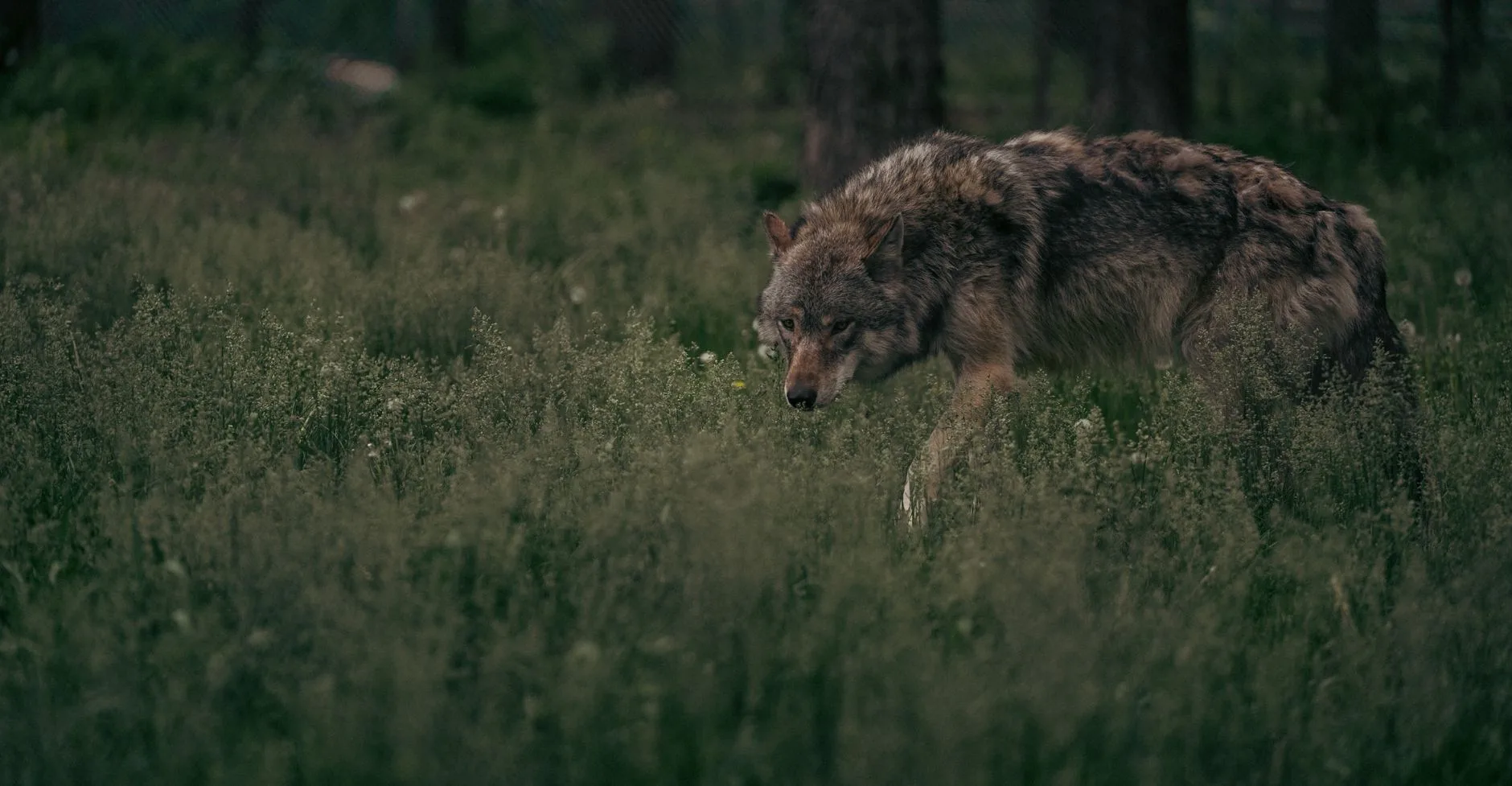
In Montana’s livestock country, the word “wolf” carries a weight that’s hard to overstate. A single confirmed kill can set off weeks of tension between ranchers, wildlife managers, and conservation groups — and in a state where the wolf delisting debate never fully cooled, the finger usually points in one direction fast. That’s exactly what happened in this case. Cattle and sheep were turning up dead in the high backcountry, the evidence looked familiar, and ranchers were ready to make the call. Except the scientists who came in to investigate weren’t so sure.
This video from Sage Hughes is worth your time — not because it’s anti-wolf or pro-wolf, but because it’s a real reminder of how complicated predator conflict actually gets on the ground in Montana. Anyone who’s spent time in grazing allotments on public land, or talked to a rancher running cattle near the Bob Marshall Wilderness or the Bitterroot Valley, knows that misidentified kills aren’t just a scientific curiosity. They shape policy, they drive compensation claims, they influence public perception of predator populations, and sometimes they end with a dead animal that had nothing to do with the original incident. Getting it wrong has consequences that ripple outward fast.
What the Investigation Process Actually Looks Like
Montana Fish, Wildlife & Parks uses a specific protocol for investigating predator kills — track patterns, wound placement, subcutaneous hemorrhaging under the hide, scat and hair evidence nearby. It’s more rigorous than most people realize, but it’s also only as good as the conditions allow. Livestock that sit for two or three days before discovery, terrain that wipes out tracks after a single rainstorm, scavengers that have already moved through the scene — the backcountry doesn’t make this easy, especially in the high drainages above the Sun River, the South Fork of the Flathead, or the upper Beaverhead country where grazing allotments push deep into grizzly and mountain lion range.
The distinction between a wolf kill and a mountain lion kill, for example, often comes down to how the carcass was fed on and whether it was cached. Lions tend to cover kills with debris. Wolves typically don’t. Grizzlies will completely disarticulate a carcass in a way that can obscure earlier predator sign entirely. When investigators arrive late to a scene in August — peak heat, heavy scavenger pressure, afternoon thunderstorms rolling through every few days — they’re often working with a fraction of the evidence they’d have in ideal conditions.
Why This Matters Beyond the Ranch Fence
For hunters, this isn’t an abstract issue. Wolf pack territories in Montana are documented by FWP and influence where elk concentrate during the fall archery and rifle seasons. If depredation data skews toward wolves in areas where other predators are actually responsible, management responses — including lethal removal under Montana’s current predator framework — may not address what’s actually happening on the landscape. That affects elk behavior, it affects pack dynamics, and over time it can affect the accuracy of the population models that determine hunting quotas in units like 316, 280, and others that border major wilderness areas.
Ranchers navigating the Montana Livestock Loss Board’s compensation program also have a direct stake in accurate identification. Confirmed wolf depredations trigger different response options than a mountain lion kill — including eligibility for certain federal livestock protection programs and the possibility of targeted removal permits. A misidentified kill doesn’t just cost a rancher the correct paperwork; it can leave the actual predator operating on the same allotment through the rest of the grazing season, typically June through October on most Forest Service permits in western Montana.
What You Can Do With This Information
If you’re running cattle or sheep near public land boundaries, document everything before you move or disturb a carcass. Photographs of wound location, bite marks, and the surrounding ground within a 50-yard radius give investigators something to work with even when response time is delayed. Report suspected depredations to FWP as soon as possible — Montana law requires notification before a carcass is moved in most circumstances, and early response dramatically improves evidence quality.
If you’re a hunter or backcountry user, pay attention to what you’re seeing out there. Trail cameras, fresh tracks in river bottom mud along the Blackfoot or the Clark Fork tributaries, scat on ridgeline travel corridors — that kind of observational data has real value when it’s reported through FWP’s wildlife observation system. You don’t have to be a biologist to contribute something useful.
What Hughes digs into in this video is the gap between what looks obvious and what the evidence actually supports. In a state where predator management decisions get made inside that gap — with real consequences for wildlife, livestock operators, and public land policy — that distinction is worth understanding. The predator they ultimately identified in this case changes the way you think about what’s actually moving through that high country, and what we might be missing every time we assume we already know the answer.
Montana's outdoor week, in your inbox at 7am Friday.