
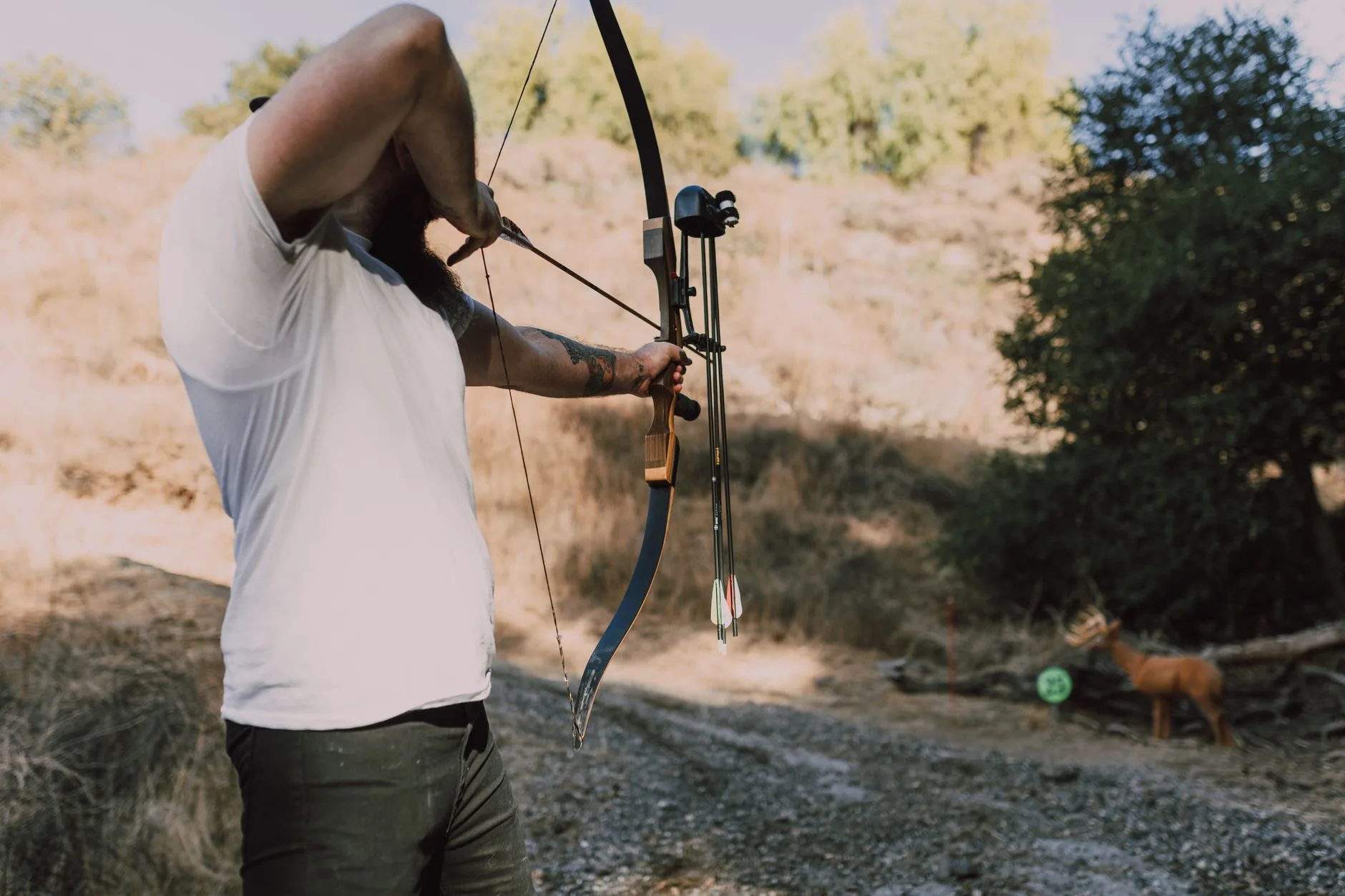
First-Ever Archery Bull on Montana Public Land — DIY, Opening Day, 100-Yard Shot
Opening day of Montana’s early archery elk season is a kind of religion for a lot of hunters in this state. You’ve spent months scouting, shooting, and losing sleep over wind thermals and wallow locations — and most years, the bulls don’t cooperate anyway. That’s what makes this video from the Drawn Outdoors channel worth your time. On the first day of Montana’s 2026 early archery elk season, this hunter connected on his first-ever archery bull on public land — with a 100-yard bow shot — completely DIY, no guide, no outfitter, no private lease.
A Quick Note on Montana’s Archery Elk Season
Before we get into the hunt itself, let’s clear up some terminology — because it matters for Montana hunters planning their own seasons. Montana’s early archery elk season is a distinct season that typically opens in early September and runs through mid-October, well before the general rifle season opens in late October. FWP issues both general archery licenses (available over the counter for elk B licenses in many districts) and special permits depending on the hunting district. If you’re planning a DIY archery elk hunt in Montana, check the current FWP regulation booklet for your specific hunting district — season dates, antler restrictions, and license requirements vary significantly between units. The Bitterroot, Blackfoot drainage, and units along the Rocky Mountain Front, for example, all have different pressure levels, access challenges, and herd dynamics worth understanding before you commit to a location.
The 100-Yard Shot — Let’s Talk About It
A 100-yard arrow release on a bull elk is going to raise eyebrows in archery circles, and honestly, that’s a fair reaction. The traditional expectation in bowhunting — and the ethical standard most experienced archers hold themselves to — is keeping shots inside 40 to 60 yards, where arrow trajectory, wind drift, and animal movement are more manageable. At 100 yards, the margin for error narrows significantly, and the consequences of a marginal hit on a 700-pound animal in steep backcountry are serious.
That said, the long-range archery conversation has shifted considerably in the last several years. Bows shooting 300-plus feet per second, rangefinder-integrated sights, and hunters logging thousands of yards of practice at extended distances have changed what’s possible — if not what’s always advisable. The video shows the shot, the setup, and the result. Watch it yourself and draw your own conclusions. What matters most in any marginal-distance situation is honest self-assessment: do you know your effective range under field conditions, not just from a bench at your home range? If your answer is 60 yards on a calm day with a stable shooting position, then 100 yards on a bugling bull with your heart rate spiked is a different conversation entirely.
What DIY Public Land Elk Hunting Actually Looks Like
Montana holds more than 25 million acres of FWP-managed wildlife management areas, BLM ground, and U.S. Forest Service land — and a lot of that country holds elk. But public land doesn’t mean easy elk. The bulls that survive opening day are already call-shy by afternoon. They’ve heard bugles from hunters who parked at the same trailhead, worked the same ridge, and set up on the same wallow that’s been pressured since the first week of August by scouting cameras and summer hikers.
The hunters who consistently punch archery tags on public land in Montana tend to share a few habits worth borrowing:
- Go further than feels necessary. The two-mile mark is where most hunters stop. The elk usually figure this out by September 2nd.
- Hunt thermals, not just wind direction. In Montana’s mountain drainages — think the Swan Valley, the Gallatin Range, the Selway-Bitterroot foothills — morning thermals pull uphill as temperatures rise and drop back down in the evening. Plan your approach accordingly, not just based on the wind app on your phone.
- Scout wallows in August, but hunt feeding and travel corridors in September. Wallows cool down fast once nights drop into the 30s, which happens early at elevation in Montana. Bulls shift their patterns, and hunters who adjust with them find more success late in the archery season.
- Don’t call to every bugle you hear. Sometimes the best move is to go quiet, cut the distance, and let the bull’s curiosity do the work. Overcalling on public land, where bulls have been educated by a dozen other hunters, is one of the most common reasons for blown encounters.
The Bigger Point
Punching an archery elk tag on opening day, on public land, without help, in country that every other bowhunter in the drainage is also hunting — that’s a legitimate accomplishment regardless of where you land on the shot distance debate. Montana’s early archery elk season is the kind of hunting that either hooks you for life or quietly breaks your spirit somewhere around Columbus Day. Videos like this one are a reminder that it does happen, and it happens to hunters who showed up prepared, put in the miles, and made a decision in the field when the moment came.
If you’re already tagged out this season, file this one away. If you’re still chasing bugles on a general elk B tag, watch how this hunter managed the encounter — the setup, the patience, the shot decision — and think hard about what you’d do the same, and what you’d do differently.
Editor’s note: Corrected the amount of public land in Montana, which is well over 25 million acres of federal and state land, not roughly 8 million.