
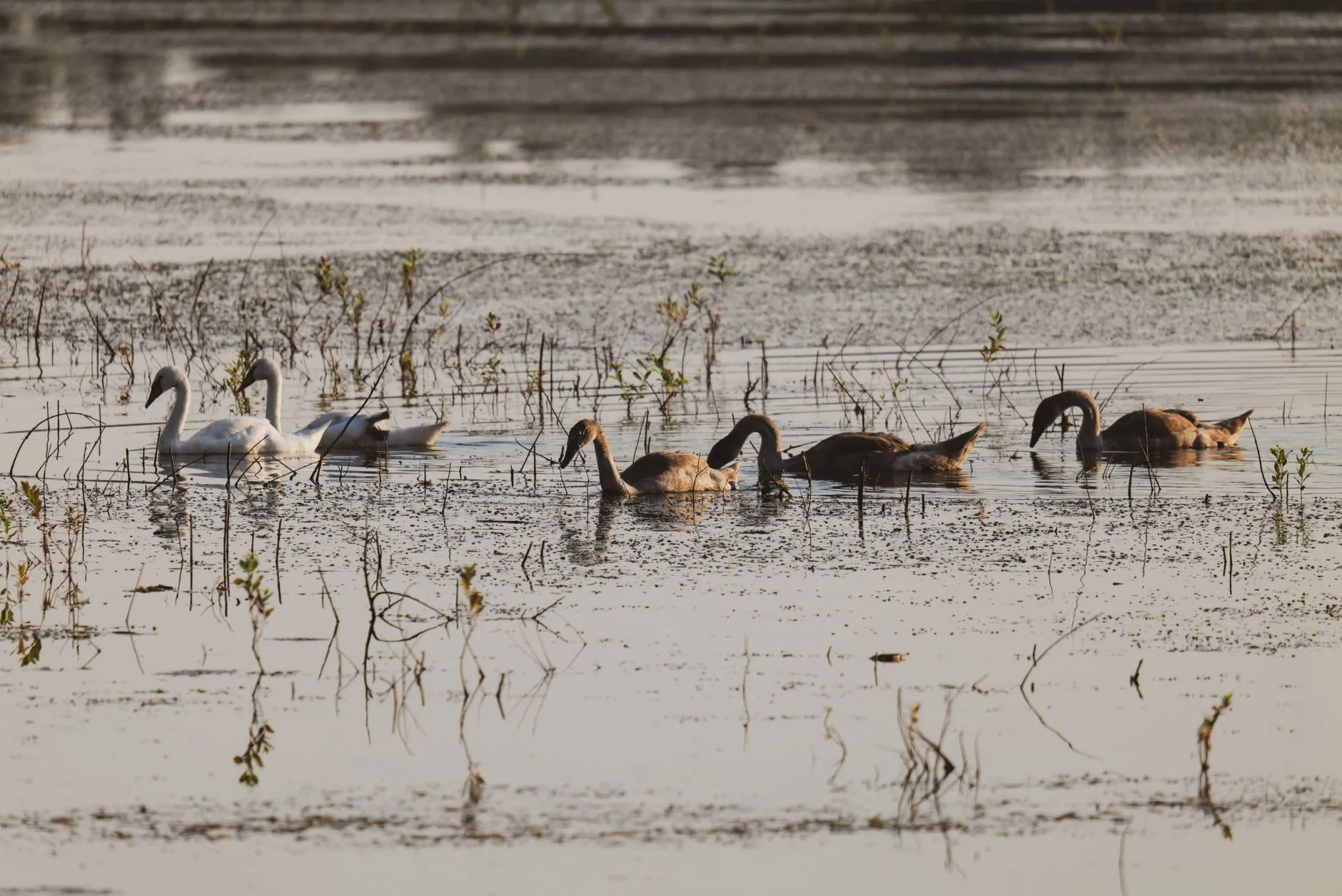
If you’ve ever glassed a wetland in southwest Montana and spotted a bird so big you thought you were seeing things, there’s a good chance it was a trumpeter swan — the largest waterfowl in North America and, not long ago, a species that came within a bad winter or two of blinking out entirely. The new video from MassiveQuartz pulls back the curtain on that story, set right here in Montana’s Centennial Valley, and it’s the kind of wildlife film that’ll make you feel something whether you’re a birder, a hunter, or just someone who cares about what we’ve still got out here.
By 1935, the count was 69 birds. Sixty-nine trumpeter swans left in the entire lower 48 states — and the majority of them were nesting at Red Rock Lakes, a sprawling wetland complex tucked into the Centennial Valley between Lima and Yellowstone’s west entrance. That valley sits at nearly 6,600 feet, gets buried under brutal winters, and is about as far from anywhere as you can get in Montana. Which is exactly why the swans were still there. The U.S. Fish & Wildlife Service established Red Rock Lakes National Wildlife Refuge in 1935 specifically to protect what was left, and that decision — made during the heart of the Depression, when wildlife conservation wasn’t exactly a national priority — is the reason you can watch a flock of 30-pound birds lift off a marsh in Montana today.
For hunters and anglers who spend time in Beaverhead or Madison County, this isn’t abstract conservation history. The Centennial Valley drains into the Red Rock River, which feeds into Lima Reservoir and eventually the Beaverhead River system — water that matters to brown trout, to geese and ducks in the fall, and to the broader ecosystem that makes southwest Montana worth coming back to. Trumpeter swans are non-game birds in Montana, fully protected, and if you’re waterfowl hunting anywhere near the refuge boundary this season, it’s worth knowing what you’re looking at before you pull a trigger. Tundra swans — which do appear in Montana during migration — require a permit to hunt, but trumpeters are strictly off-limits. They’re big, they’re white, and in the field the ID matters.
What this video does well is put you in that valley without requiring you to drive the rutted gravel road that gets most people lost before they even reach the refuge. The footage is patient and unhurried, the kind of filmmaking that respects the subject instead of rushing past it. If you’ve got ten minutes and any interest in how close Montana came to losing one of its most iconic birds — and how one remote, frozen valley quietly pulled it back from the edge — this one’s worth your time.
Montana's outdoor week, in your inbox at 7am Friday.