
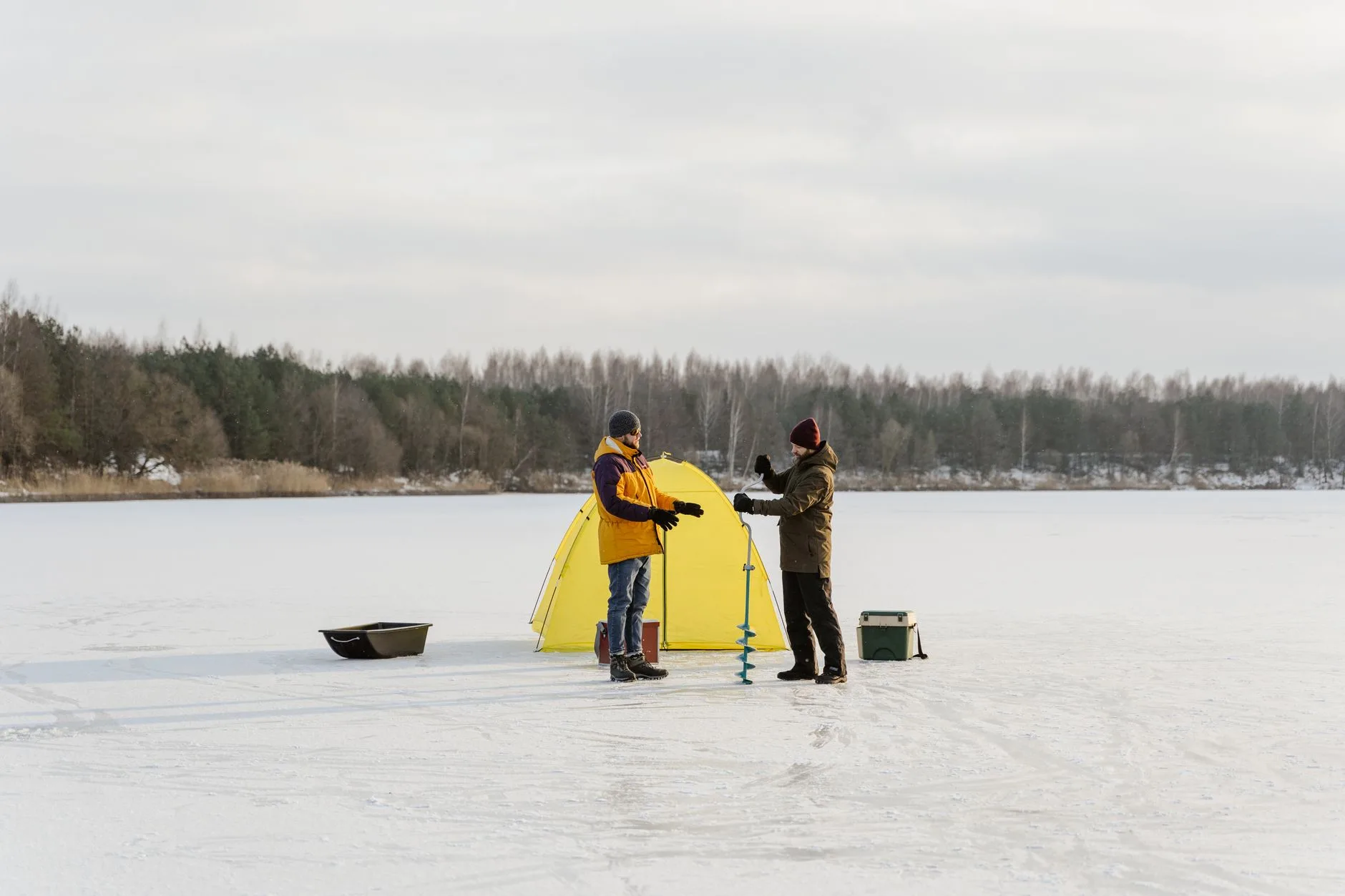
First ice doesn’t show up on a schedule, and it doesn’t care about your weekend plans. Right now, in early November, walleye anglers across Montana are doing the same thing: checking forecasts, refreshing weather stations, and waiting for that window when the boat ramps go quiet and the ice finally gets thick enough to walk on. That transition from open water to early ice is one of the most productive stretches of the entire year for walleye — and also one of the most unforgiving. Knowing which reservoirs freeze first, and what to watch for before you go, can be the difference between a banner day and a body recovery.
Which Montana Reservoirs Ice Up First
Not all of Montana’s big walleye water freezes on the same schedule, and those differences matter more than most people realize. Geography, elevation, surface area, depth, and wind exposure all factor into how fast ice forms — and which lakes put down safe ice early enough to fish in November versus December.
Tiber Reservoir
Tiber, up on the Hi-Line near Chester, is typically the first major walleye reservoir to lock up. Its position in north-central Montana leaves it completely open to Alberta cold fronts that funnel straight down across the high plains with nothing to slow them down. Tiber is also relatively shallow across much of its surface compared to Fort Peck — and shallower water loses heat fast. When a hard, sustained cold snap hits the Hi-Line in late October or early November, Tiber can put down first ice on sheltered coves and the upper arms within days. By mid-November in most years, portions of it have walkable ice. That said, it varies significantly year to year. Don’t assume — verify.
Fort Peck Reservoir
Fort Peck is a different animal entirely. At roughly 134 miles long with enormous volume and depth, it takes sustained, serious cold to freeze. The main body rarely develops safe ice before December, and some years push into January before the deeper basins lock up. The upper reaches of the Missouri arm and the shallower tributary arms near Nashua and the Highway 24 corridor, though, can develop early ice weeks ahead of the main reservoir. Those upper arms are where Fort Peck ice anglers start every season, working outward as ice thickens through December. Keep an eye on local reports out of Glasgow and Fort Peck town — word travels fast when the upper arms start to go.
Canyon Ferry Reservoir
Canyon Ferry sits in the broad valley east of Helena and occupies a middle ground. It’s lower in elevation than Tiber and runs a bit milder, but the northern end — the shallower flats near Silos and the upper basin — tends to form ice ahead of the deep main body near Townsend. Canyon Ferry is also more susceptible to wind events that shatter early ice before it can consolidate, so conditions here can be more variable than anything you’d see up on the Hi-Line. Honestly, in most years Canyon Ferry doesn’t see reliable, fishable ice until late November at the absolute earliest. December is a more realistic target for consistent conditions.
What “First Ice” Actually Means — and Why It’s Dangerous
First ice is not safe ice. That needs to be said plainly. Early ice forms unevenly — thick in one spot, paper-thin twenty feet away where a spring seeps or current runs beneath the surface. On reservoirs like Fort Peck and Tiber, underwater structure and depth changes create dramatic inconsistencies in ice thickness that you can’t see from above. This isn’t open-water fishing with a different rod. The risk profile is completely different.
The standard among experienced ice anglers is a minimum of four inches of clear, hard ice for a single angler on foot — and that’s a floor, not a comfortable margin. Early-season ice is often layered, with snow ice mixed in, which is weaker than the clear blue stuff that forms later in winter. Always carry ice picks around your neck. Fish with a partner. Tell someone exactly where you’re going and when you plan to be back. Bring a throw rope. If you have a flotation suit, wear it — early ice is when people go through, and the water in November will incapacitate you within minutes.
How to Fish the Transition — Tactics That Work
The walleye fishing during freeze-up can be exceptional, whether you’re still running a boat or just stepping onto first ice. As water temperatures drop toward freezing, walleye move shallow and feed aggressively before winter metabolisms slow. On reservoirs like Tiber and Canyon Ferry, rocky points, riprap shorelines, and the edges of weed flats that held fish in October are still worth targeting — the fish haven’t moved far, they’ve just condensed.
In my experience, jigging spoons and blade baits outperform live rigs in cold water. The aggressive flash triggers reaction strikes from fish that aren’t in the mood to chase. Fish slower than feels natural — cold water means slow metabolism, so let that spoon flutter and pause longer than you think you should. On early ice, walleye tend to sit right on the break between shallow flats and the first drop, commonly in the eight-to-fifteen-foot range on most Montana reservoirs this time of year. Work that transition hard. The morning and evening bites stay strong on early ice, often more compressed and intense than anything you saw during open water.
- Target depth transitions first. The break between shallow flats and the first drop is where early-ice walleye stack up — eight to fifteen feet covers most situations on Tiber and Canyon Ferry.
- Slow down more than feels right. Long pauses after each flutter. Cold fish don’t chase. Make them commit.
Right Now: What To Watch Before You Go
Before you load the sled and head to Tiber or Fort Peck, build a habit of checking local conditions through sources you actually trust. Pull up weather stations near Chester and Glasgow and look at overnight low trends — you’re not looking for a single cold snap, you’re looking for sustained lows well below freezing over multiple consecutive nights. Talk to bait shops in Havre and Glasgow before you drive three hours. Call the FWP region offices. Local Facebook fishing groups for the Hi-Line and Valley County move fast when conditions change, and they’re worth following. Don’t be the guy who drives to Chester on a rumor and finds two inches of slush.
The window between open water and safe ice is short, unpredictable, and worth taking seriously. Get it right, and you’ll have some of the best walleye fishing of the year. Get it wrong, and no fish is worth what happens next.
Montana's outdoor week, in your inbox at 7am Friday.