
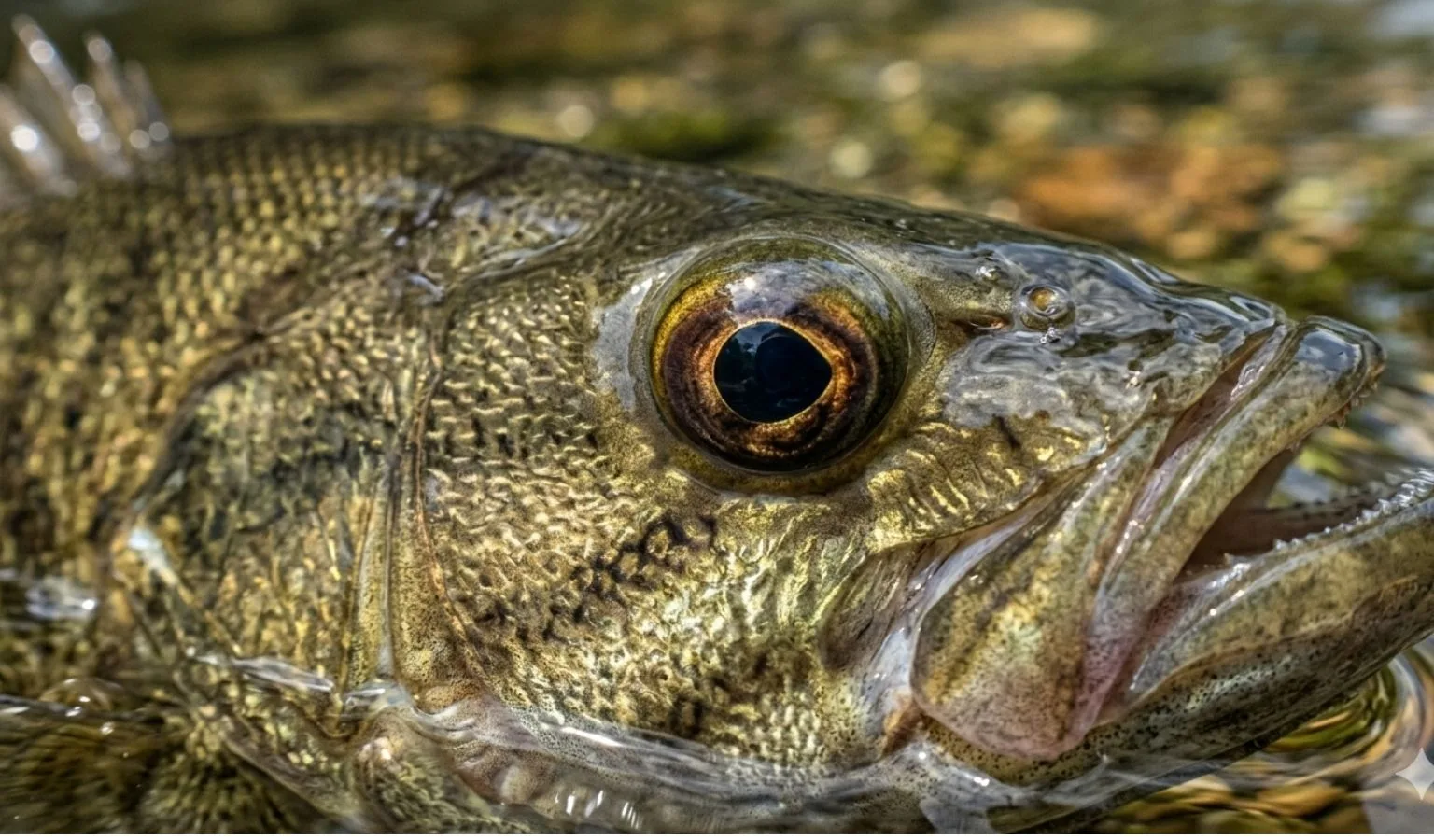
Look, we all love smallmouth bass. They fight hard, they’re accessible to basically everyone, and they’ve earned a legendary spot in American fishing culture. But here’s the plot twist we always seem to forget: in a massive chunk of the country, they don’t actually belong.
According to a recent article by Outdoor Life, “bronzebacks” were originally only native to the Great Lakes and Ohio River regions. Everywhere else? Someone moved them there. The same goes for rainbows, browns, and largemouths. Usually, stocking fish is great for business and fun for anglers, but when smallmouths end up where they shouldn’t be, they turn into absolute wrecking balls—sometimes doing way more ecological damage than even the most feared invasive species.
Right now, Arizona is in a full-blown panic because dropping water levels at Lake Powell mean smallmouths are slipping past the Glen Canyon Dam. If they get a foothold in the Grand Canyon, they could easily wipe out protected native species like the humpback chub.
And for the trout anglers who might say “who cares about a chub?”—this problem is already knocking on your door. Smallmouths were recently found in the Gardner River right at the entrance of Yellowstone National Park, threatening world-class trout waters. From Maine to Manitoba, biologists are spending fortunes trying to eradicate them from wild trout streams. The takeaway? Just because a fish is an absolute blast to catch doesn’t mean it belongs in every body of water.
You can read the full article here.
With smallies showing up in the Gardner River right on Yellowstone’s doorstep, how are local anglers and guides feeling in and around Montana? Are you worried about the trout fisheries getting disrupted, or is there a divide between the trout purists and the bass fishermen? Tell us what you think.
Montana's outdoor week, in your inbox at 7am Friday.