
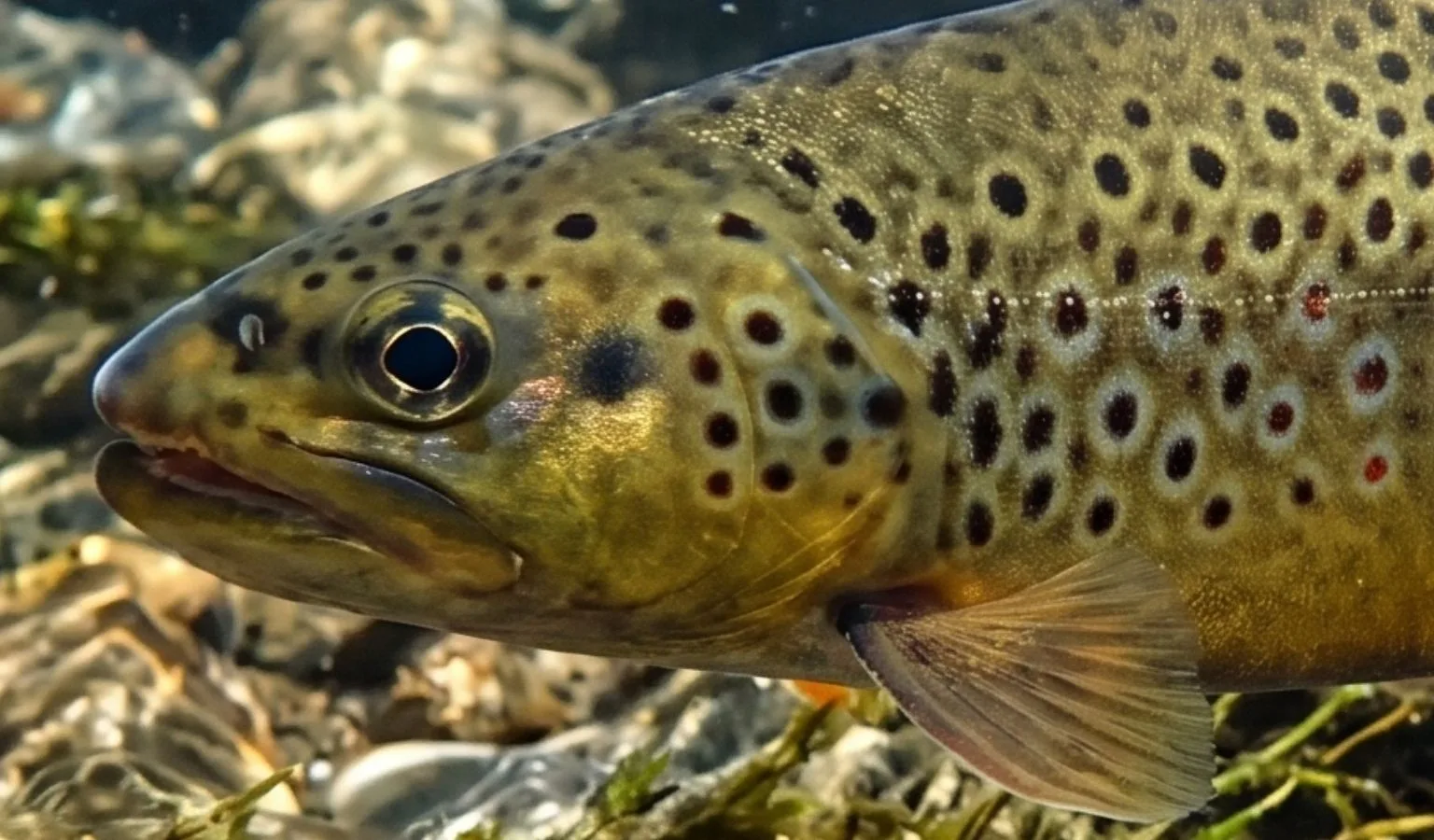
If you aren’t checking the water temperature, you’re basically fishing blindfolded, according to an article by Field and Stream. Because trout are cold-blooded, the river dictates their entire mood, metabolism, and menu. But before you go buying a fancy infrared laser thermometer, put it down. Those only read the surface skin of the water. Invest a few bucks in a traditional submersible thermometer to get the real story from the bottom of the creek.
It’s also worth noting that species matter. Brookies and cutthroats are the drama queens of the river—way more sensitive to thermal swings than hardier rainbows and browns. The direction of the temperature matters too: a little warming in freezing water wakes fish up, while a sudden cooling drop in the summer heat can trigger a feeding frenzy.
To consistently net fish without stressing them to death, you just need to crack the thermostat code.
33-40 Degrees
When the river is a brutal 33 to 40°F, trout are essentially in energy-saving mode. Their metabolism is dragging, so they aren’t going to chase down a meal. Sleep in, hit the water in the afternoon, and fish heavy, slow, and right on the bottom of deep pools. Fly anglers should tightline a double-nymph rig, while gear anglers can drift a classic nightcrawler or salmon egg where regulations allow.
40-50 Degrees
As the water creeps into the 40 to 50°F zone, the river starts waking up. You can pick up your pacing and cover more ground. Look out for early mayfly hatches like Blue-Winged Olives on gloomy afternoons. If you’re throwing conventional gear, small hard jerkbaits fished with a twitch-and-pause retrieve work wonders here—trout will almost always smash it on the pause.
50-60 Degrees
The 50 to 60°F window is the absolute promised land. This is prime time when aquatic bugs are popping and trout are actively gorging. Just watch the water to see what they want: underwater flashes mean they are eating nymphs, splashy rises mean emergers, and casual sips mean dry fly glory. If they are hyper-focused on tiny bugs, you can often cheat the system by throwing a massive minnow or streamer pattern to tempt a trophy fish looking for a single, high-calorie meal.
60-65 Degrees
Once you hit 60 to 65°F, the heavy daytime hatches taper off. Shift your focus to the grassy banks using terrestrials like grasshoppers, ants, and crickets—especially on windy days that knock bugs into the drink. This is also the perfect time to try night fishing. Slapping a mouse pattern across the surface after dark is a legendary way to trick a giant brown trout.
65+ Degrees
Finally, when the thermometer reads 65°F and up, you are entering the danger zone. High heat and low oxygen levels cause extreme stress for trout, which is why wildlife agencies implement “hoot owl” fishing restrictions during the dog days of summer. If you do fish, size up your line strength to reel them in fast, keep them entirely in the water while unhooking them, and skip the lengthy photoshoots. Better yet, give the trout a break entirely and go catch some bass instead.
Montana's outdoor week, in your inbox at 7am Friday.