It’s the announcement Montana hunters, ranchers, and backcountry users have been waiting decades for. Governor Greg Gianforte and Interior Secretary Doug Burgum stepped in front of cameras to declare that grizzly bear management is returning to the states — pulling control away from the federal government and putting it back in the hands of the people who actually live with these bears.
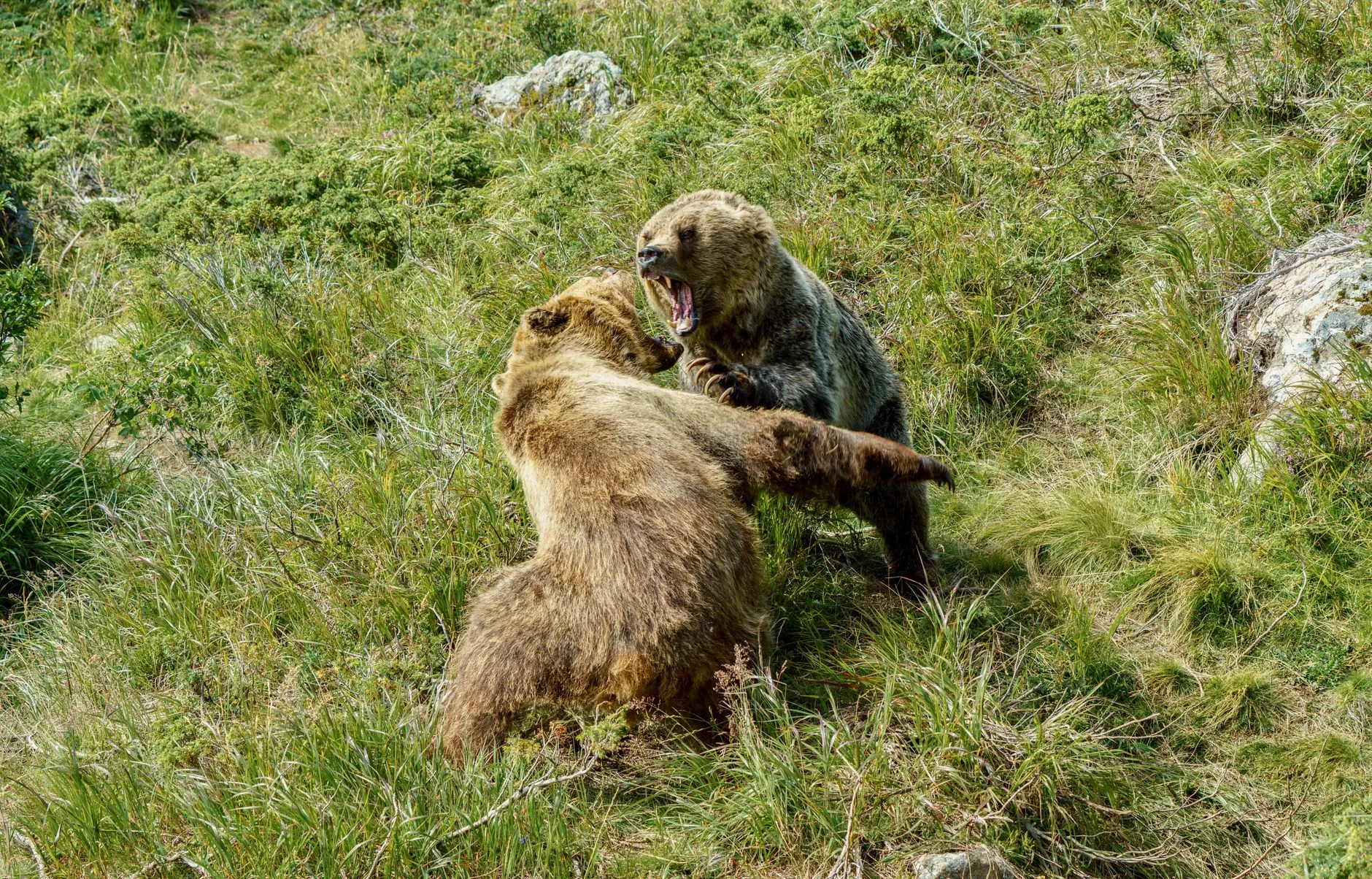
If you’ve ever packed into the Bob Marshall Wilderness, run livestock in the Blackfoot Valley, or set up an elk camp in the Northern Continental Divide Ecosystem, you already know what’s at stake. Grizzly populations in Montana have expanded well beyond their historic recovery zones. The Greater Yellowstone Ecosystem alone is estimated to hold more than 1,000 bears, and the NCDE population — which stretches from Glacier National Park south along the Rocky Mountain Front — has grown to somewhere between 1,000 and 1,100 animals by recent FWP estimates. Bears are showing up in places they haven’t been in generations: outside Choteau, along the Two Medicine drainage, pushing east toward the Judith Basin and the Musselshell in ways that have stockgrowers and outfitters watching their backs on ground that never used to require it.
The argument from Gianforte’s office — and one that’s hard to dismiss — is that both populations have long since blown past their ESA recovery benchmarks. The original recovery target for the NCDE was set at 800 bears. The Yellowstone population’s benchmark was 500. Both thresholds were cleared years ago. Keeping the grizzly listed at this point isn’t conservation. It’s inertia dressed up as policy.
What State Management Actually Looks Like
For Montana Fish, Wildlife & Parks, taking the reins on grizzly management would mean real operational flexibility that simply doesn’t exist under federal oversight. Right now, when a bear starts hitting sheep operations along the Rocky Mountain Front or raiding elk camps in the South Fork of the Flathead drainage, the response chain runs through U.S. Fish & Wildlife Service protocols that can slow things down considerably. State control means FWP sets the population objectives, responds to conflict situations on its own timeline, and manages bears the way it manages every other species in Montana’s Big Game Management Plan.
And yes — that eventually includes the possibility of a limited, regulated hunting season. That’s not a radical idea. Montana manages elk, mule deer, black bear, mountain lion, and bighorn sheep through structured hunting seasons, and those populations are healthy. A science-based grizzly season, built around sustainable harvest thresholds and rigorous population monitoring, is the logical extension of the same management model. Wyoming and Idaho have been pushing for exactly that for years. State delisting opens that door in a way federal oversight never would.
What Hunters and Backcountry Users Should Know Right Now
Nothing changes overnight. The legal road ahead is long, and anyone who’s followed this issue knows the litigation is coming. Federal courts blocked the Trump administration’s 2018 attempt to delist the Yellowstone population after a successful challenge from environmental groups, and a similar fight is almost certain this time around. Expect injunctions, appeals, and years of courtroom back-and-forth before a hunting season becomes a realistic conversation.
In the meantime, if you’re hunting or recreating in grizzly country this fall — whether that’s the Sun River Game Preserve, the Spotted Bear drainage, the Madison Range, or anywhere in between — the practical reality on the ground doesn’t change based on who’s managing the paperwork. Bear spray is not optional. Hanging your meat cache away from camp isn’t optional. Knowing how to read sign, how to react to a surprise encounter, and how to keep a clean camp are the same skills that matter regardless of whether the bear on the other side of the canyon is federally listed or not.
The political alignment right now — a Montana governor with a clear mandate and a sympathetic Interior Secretary — is stronger than it’s been in a long time. Whether the courts ultimately allow it to stick is a different question. But for the first time in years, the trajectory of this issue is pointed in the right direction for the people who actually spend time in Montana’s backcountry. Watch the full announcement above and pay attention to how they’re framing the jurisdictional handoff. For anyone with skin in this game, the details matter.
Montana's outdoor week, in your inbox at 7am Friday.