
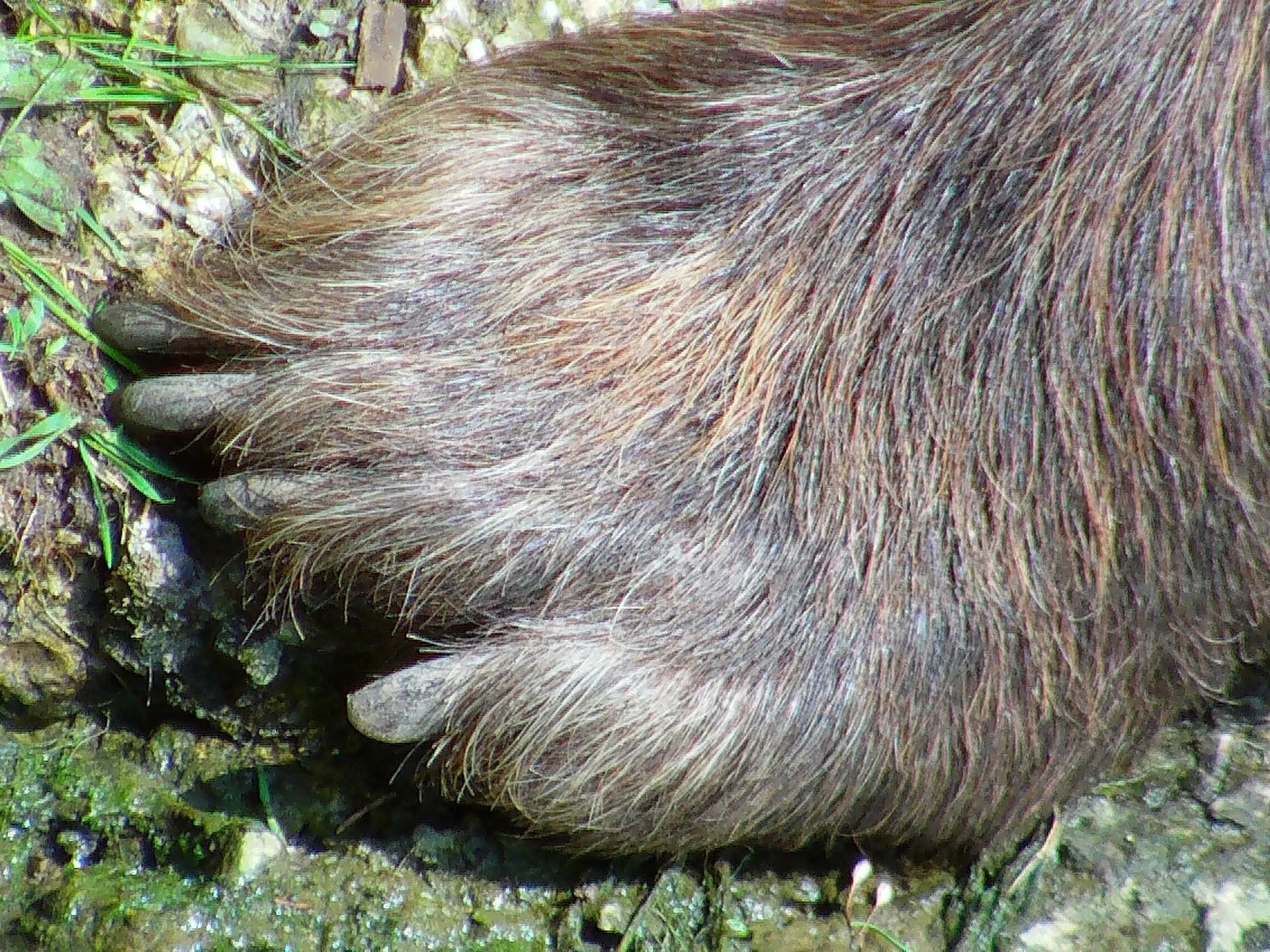
Bear Attacks Hunter South of Augusta
Montana Fish, Wildlife & Parks is investigating a bear attack on a hunter on state-owned land near Elk Creek and Haystack Butte south of Augusta. The victim was archery hunting on the morning of Sept. 14 when he encountered the bear and was attacked, sustaining significant but fortunately not life-threatening injuries. The hunter drove himself home after the attack and was transported to Benefis Hospital by private vehicle for treatment.
FWP’s priority is human safety, and game wardens and bear management specialists are continuing their investigation and posting signs in the area to notify the public of bear activity. The species of the bear involved is currently unknown, and the incident remains under investigation. No further details are available at this time.
Where It Happened: The Elk Creek and Haystack Butte Area
The attack occurred on state-owned land south of Augusta, a small community in Lewis and Clark County situated along the Rocky Mountain Front. This stretch of country is a transitional zone where the Great Plains meet the Northern Rockies — and it is some of the most productive, and most bear-dense, habitat in Montana.
The Rocky Mountain Front is well known as critical habitat for both grizzly bears and black bears. Grizzly bears have expanded their range eastward out of the Bob Marshall Wilderness complex and surrounding designated wilderness areas over the past several decades, and encounters on the Front have become increasingly common during hunting seasons. Whether this attack involved a grizzly or a black bear, the incident is a timely reminder that anyone heading into this terrain — especially during archery season in September — is moving through active bear country.
Haystack Butte and the Elk Creek drainage attract hunters pursuing elk, mule deer, and whitetail deer. September archery season coincides with the elk rut, drawing hunters deep into thick timber and brush — precisely the kind of cover where surprise bear encounters are most likely to occur.
Why September Is a High-Risk Month for Bear Encounters
Late summer and early fall represent a period of intense feeding activity for bears. In the weeks before hibernation, bears enter a phase biologists call hyperphagia — a state of near-constant eating aimed at building fat reserves for winter. During hyperphagia, bears can travel long distances and cover enormous amounts of ground in search of food, bringing them into contact with hunters, gut piles, and harvested game carcasses far more frequently than at other times of year.
Archery hunters face a unique set of challenges during this period. They are often in the field before first light, moving quietly through terrain, and may approach game or gut piles in low-visibility conditions. Unlike rifle hunters, their effective range is short, meaning any surprise encounter with a bear happens at very close quarters. The scent of an animal that has been hit but not yet recovered — or a gut pile left in the field overnight — can draw bears to a location quickly and reliably.
Montana Is Bear Country: Know Before You Go
Montana supports one of the largest populations of both grizzly bears and black bears in the contiguous United States. Grizzly bears are protected under the Endangered Species Act across much of their current range in Montana, and interactions that result in a grizzly being harmed — even in self-defense — require immediate reporting to FWP. Understanding which species of bear you may encounter in a given area, and how to respond to each, is foundational knowledge for any Montana hunter.
Grizzly bears tend to be more unpredictable in surprise encounters and are more likely to respond aggressively when startled at close range. Black bears, while generally less aggressive, should never be underestimated, particularly a sow with cubs or a bear that has become food-conditioned. Both species are capable of inflicting serious injury.
If you are hunting in or near designated wilderness areas, national forests along the Rocky Mountain Front, or other known grizzly bear habitat, treat every encounter as a potential grizzly encounter until you know otherwise.
Carrying and Deploying Bear Spray
Bear spray is widely regarded by wildlife experts as the most effective tool for deterring a charging bear at close range. It should be carried in a hip holster — not buried in a pack — where it can be accessed within seconds. Know how to use it before you need it: remove the safety clip, aim slightly downward toward the approaching bear, and discharge in a wide cloud at roughly 30 to 60 feet.
Bear spray is not a scent deterrent and should never be applied to gear or clothing. It works only when deployed directly at an approaching or charging bear. Practice the draw so that the motion becomes instinctive. Seconds matter in a close encounter.
Safety Tips for Hunters in Bear Country
Montana is bear country, and hunters can help stay safe when afield by following these safety tips:
- Pack meat out as soon as possible.
- Avoid cutting up a carcass at dusk or night. If you kill an animal at dusk, be prepared to cut up the carcass in the dark by carrying strong headlamps. Be extra vigilant and watch for bears.
- Properly hang meat until you can retrieve your downed game.
- If you must leave your animal, return to the site carefully. Leave it in an area that is easily observable from a distance.
- Drag gut piles into open areas, if possible, and at least 100 yards from your carcass as soon as possible.
- If a bear has claimed your animal, do not attempt to haze or frighten the bear away. Report any lost game to FWP.
- Bird hunters should be extra careful while walking in and along areas of brush, especially along waterways. Grizzly bears use thick cover for day beds. Walk with the wind, carry bear spray, and keep a close eye on hunting dogs. If there is abundant fresh sign of grizzly bears in the area, consider bird hunting somewhere else.
What to Do If You Are Attacked
Response to a bear attack depends in part on the species and the nature of the attack, though in a surprise close-range encounter you may not have time to make that determination. General guidance from wildlife managers:
If You Have Bear Spray
Deploy it immediately when the bear is within range. A well-timed burst of bear spray has stopped the vast majority of documented charges. Do not wait until the bear is on top of you.
If Contact Occurs
For a surprise defensive attack — the most common type involving grizzly bears — playing dead by lying flat on your stomach, protecting the back of your neck with your hands, and remaining still has historically been effective. However, if the attack continues or appears predatory in nature, fight back aggressively targeting the bear’s nose and eyes. Black bear attacks are more often predatory, and fighting back is generally recommended in those cases.
After any bear encounter or attack, report it to FWP immediately. Your report helps managers track bear activity, warn other users of the area, and make informed decisions about public safety.
Reporting Bear Encounters and Sign
Even if you are not attacked, reporting fresh grizzly bear sign — tracks, digging, scat, or a bear on a carcass — to FWP helps the agency monitor bear movements and protect both hunters and bears. You can reach FWP’s regional offices or report online through the FWP website. Wardens take these reports seriously, particularly during hunting season when human-bear conflict risk is elevated.
FWP has posted signs in the Elk Creek and Haystack Butte area following this attack. Hunters planning to access that area should heed those warnings and adjust their approach accordingly — including hunting with a partner, making noise while moving through thick cover, and keeping bear spray on their hip at all times.
Before You Head Afield
Preparation is the best defense. Review FWP’s current guidelines for hunting in bear country, let someone know your planned location and expected return time, and familiarize yourself with the terrain and known bear activity in the area before your hunt. Check current FWP regulations regarding bear encounters, self-defense, and reporting requirements, as these can change between seasons.
Download: How to Hunt Safely in Grizzly Bear Country (PDF)
Photo: Pixabay
Montana's outdoor week, in your inbox at 7am Friday.