
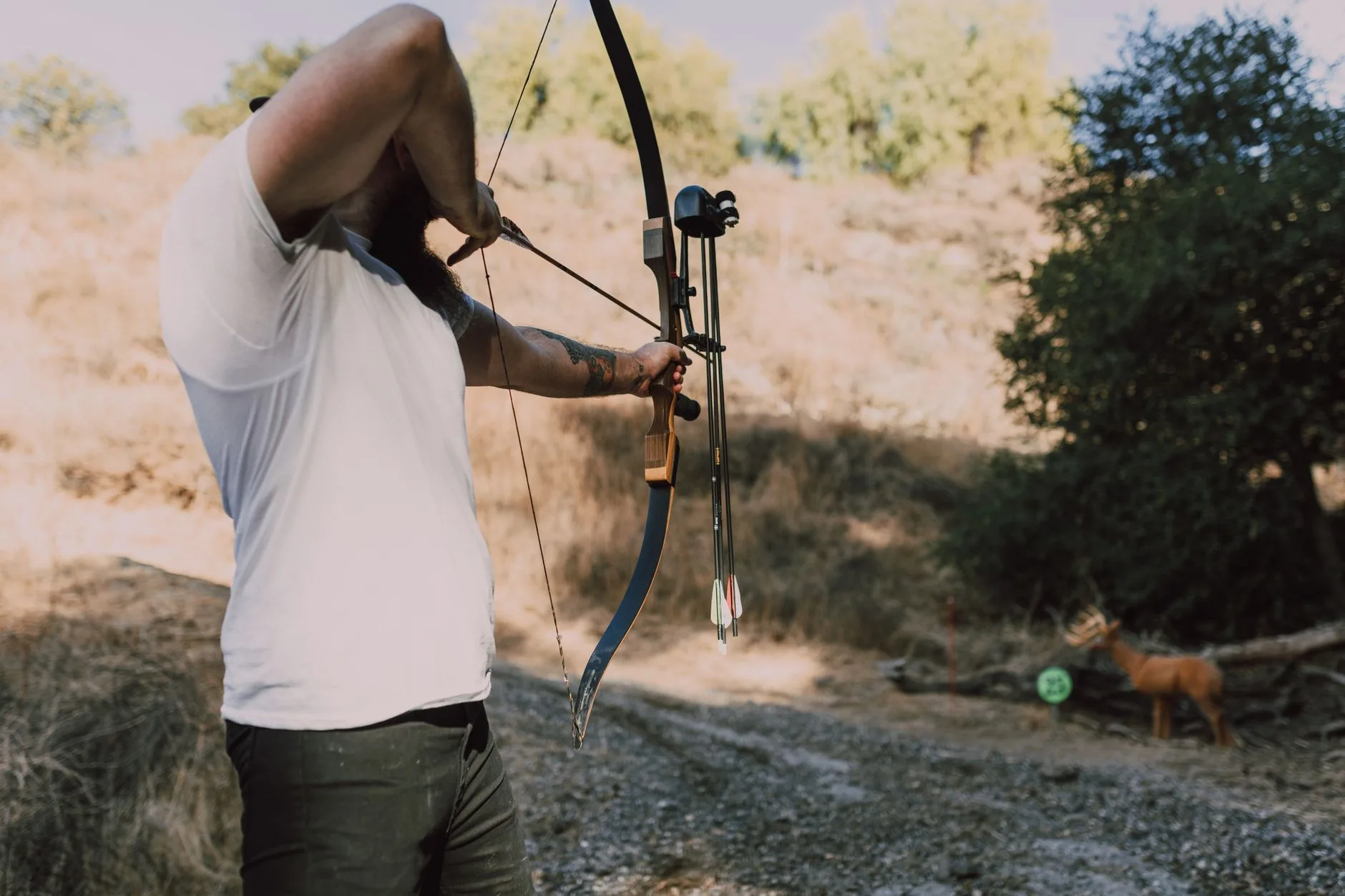
Montana’s archery elk season is one of the most demanding commitments a hunter can make — early September mornings that swing from frost to 80 degrees by noon, bulls still locked in summer patterns, and the kind of physical and mental grind that separates the people who talk about bow hunting elk from the ones who actually do it. The crew over at WALSHFARMS68 isn’t talking. They’re already in camp.
A Camp Built for the Long Haul
The video title asks a fair question — Is this really a hunting camp? — and the answer is yes, but not in the minimalist spike-camp sense that a lot of Montana backcountry hunters default to. What WALSHFARMS68 has assembled is a functional base camp designed to sustain a multi-week hunt, and that distinction matters more than most hunters give it credit for. When you’re staring down a 30-day archery window and your body is already beaten up from day six of pre-dawn glassing and hard miles, the difference between a camp you can actually recover in and one you’re just surviving becomes the whole season.
Pay attention in the video to how they’re thinking about organization — where gear lives, how the cook setup is positioned, and the general logic of a camp meant to be lived in rather than just slept in. These aren’t glamour decisions. They’re functional ones that determine whether you’re hunting sharp on day 22 or just going through the motions.
Montana’s Archery Season: What the Calendar Actually Means
Montana Fish, Wildlife & Parks opens the general archery elk season in early September statewide, typically running through mid-October depending on the hunting district. That window sounds generous until you break it down. The first week or two, bulls are still in late-summer patterns — feeding predictably, but often moving at night and bedding in timber that makes close approach nearly impossible without a thermal advantage. By late September, the rut starts to fire in most parts of the state, and everything changes. Bulls get vocal, move more during daylight, and make mistakes they wouldn’t make in early season.
Planning a camp around that transition — rather than just for opening weekend — is exactly the kind of thinking that produces tagged bulls. Hunters chasing elk in districts adjacent to the Bob Marshall Wilderness, the Bitterroot, or the Beartooth-Absaroka need to be especially dialed in on how summer-to-fall range shifts affect where bulls are actually holding. Early access to those drainages before general rifle pressure in October and November is one of the legitimate advantages archery hunters have, but only if they’re willing to put in the time.
Practical Takeaways for Your Own September Camp
Whether you’re running a wall tent off a pack string or setting up a spike camp above a Montana trailhead, a few things from the WALSHFARMS68 approach translate directly:
- Plan your camp for week three, not day one. Most camp setups look fine opening weekend. The question is whether they still work when you’re tired, the weather has turned, and you need everything to be where you expect it.
- Shade and water access aren’t optional in early September. Montana’s early archery season runs hot, and keeping meat cool after a kill is a logistical problem you need to solve before you need to solve it.
- Check your district regulations before you commit to a campsite. Some wilderness areas and special management units have specific rules around camp placement relative to water sources, fire restrictions, and stock use. Montana FWP’s regulation lookup tool is the place to start, not a forum post from three years ago.
- Build a camp you can leave and return to. The best archery elk hunters are mobile during the day and strategic about when and how they return to camp. A well-organized base lets you slip in quietly, process meat without chaos, and get back out before thermals blow your next morning’s setup.
Camp Is Where the Season Actually Starts
There’s a version of elk hunting that begins and ends with shot selection and broadhead choice. That’s fine. But the hunters who consistently tag bulls in Montana’s archery season tend to have a different perspective — they’ve figured out that the quality of your camp directly affects the quality of your hunting. Comfort isn’t a luxury. Rest, organization, and a sustainable daily rhythm are what let you keep grinding when everyone else has packed out.
Whether you’re a veteran bowhunter who’s already tagged out multiple times or someone still planning your first September in elk country, this video is worth more than a casual watch. Take notes on the setup. Think about how it applies to your unit, your terrain, your timeline. The season is short, the bulls are unpredictable, and camp is where it all starts.
Looking for more Montana archery hunting content? Check out our guides to hunting public lands in western Montana and what to expect from the September elk rut transition.
Montana's outdoor week, in your inbox at 7am Friday.