
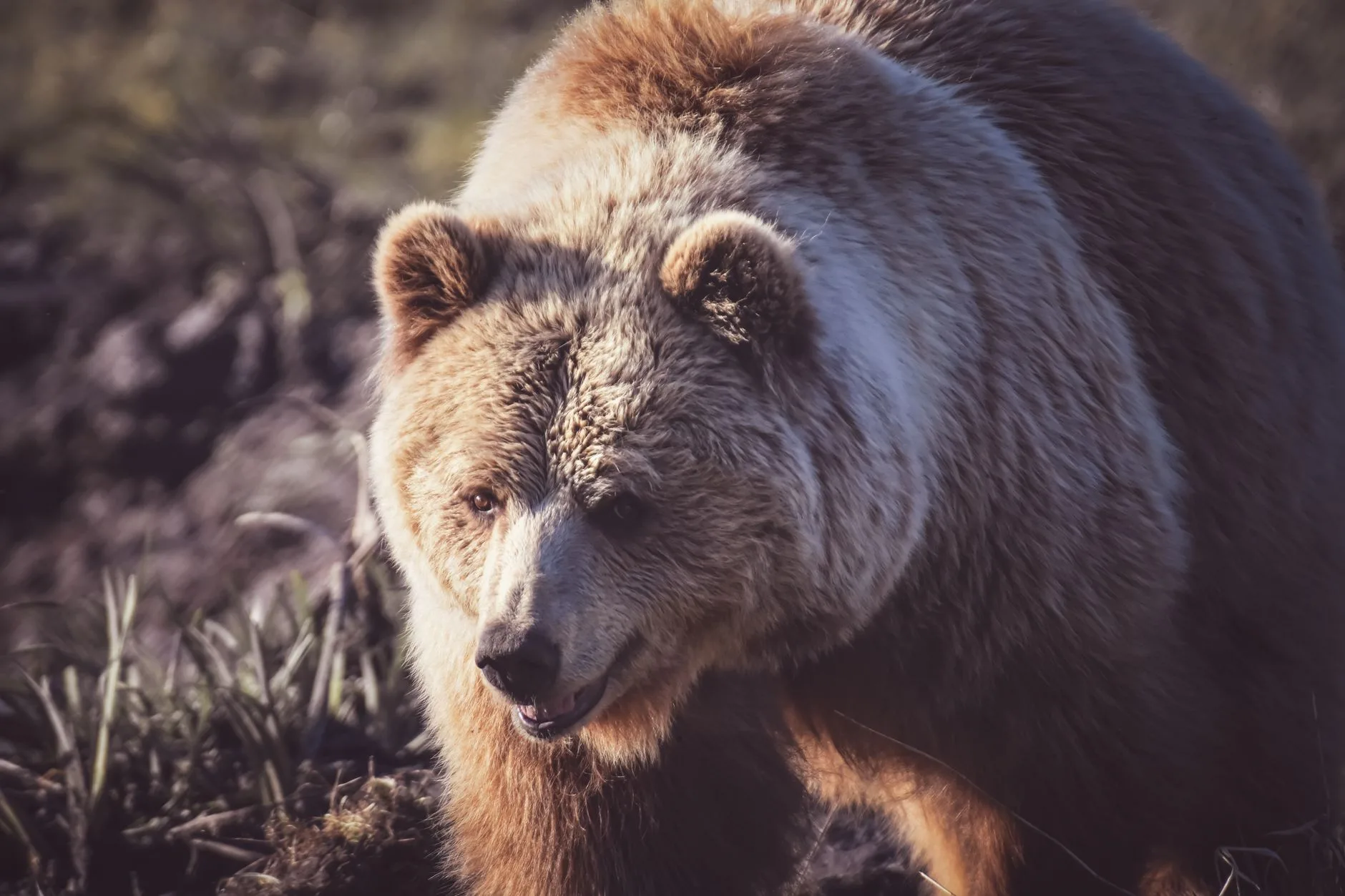
Late October is the most dangerous time of year to be a rifle hunter in grizzly country. Elk gut piles dot the backcountry. The smell of blood carries for miles. Grizzlies are packing on calories before denning, actively hunting any caloric shortcut they can find — and hunters, bent under heavy packs and fighting exhaustion, often have their senses buried under pack straps, wind noise, and the sheer physical grind of packing out meat.
This isn’t hypothetical. In October 2025, an elk hunter near Fort Steele, British Columbia — just north of the Roosville border crossing that plenty of Montana hunters know well — died from injuries sustained in a grizzly attack. It happened October 2. He didn’t survive. That news dropped during the exact same window Montana hunters are now afield, and it’s a hard reminder that grizzly encounters during rifle season can end your life.
If you’re hunting elk, deer, or moose in western or southwest Montana — the Bob Marshall Wilderness, the Beartooth Front, the Cabinets, the Rocky Mountain Front near Augusta, the Selway-Bitterroot, or anywhere in the greater Yellowstone ecosystem — you’re in grizzly country. Here’s how to stay alive.
Carry Bear Spray. Every Single Time.
This sounds obvious. It isn’t practiced consistently enough. Bear spray is your most effective immediate defense against a charging grizzly — faster to deploy than a rifle in a close-quarters surprise encounter, and legal to use in any situation. The problem is that most rifle hunters either leave it in the truck or lash it to the outside of a pack where it’s completely unreachable when things go sideways.
Bear spray needs to be on your body — chest harness or hip holster — where you can draw it one-handed in under three seconds. If you’re gutting an animal, set the rifle down and keep the spray clipped where you can grab it without thinking. If your hands are occupied on a pack-out, make sure your hunting partner has theirs accessible. Always check that the safety clip is intact but can be pulled fast.
A few carry specifics that matter for rifle hunters: Don’t clip spray to your pack frame — if a bear knocks you down, you’ve lost it. Check the expiration date before the season, because an expired canister may underperform exactly when you need it most. And in Montana’s late October cold, store the canister inside your outer layer at camp overnight. A canister that’s been sitting at 15 degrees all night may have reduced pressure. Keep it warm against your body until you need it.
Check current Montana Fish, Wildlife & Parks regulations on bear spray requirements before your hunt. Rules vary by unit and land management area, and they do change.
The Gut Pile Problem: What Happens After the Shot
The moment you field dress an animal in grizzly country, you’ve created a bear magnet. Gut piles are unavoidable — but what you do in the hours that follow is not. Grizzlies locate gut piles fast, and they’ll defend them like any hard-won food source. The risk doesn’t end when you walk out to get help packing meat. In documented cases across the Northern Rockies, hunters have returned to a carcass to find a bear already on it — and that bear charged to defend its meal.
Work fast and stay alert from the moment the animal goes down. The longer a gut pile sits unattended, the higher the odds something finds it before you’re done. Don’t leave a carcass overnight if you can avoid it, but if you must, hang the meat well away from camp and mark the location so you can approach cautiously the next morning. Treat a cached carcass the way you’d treat a known bear site — make noise from a distance, watch for ravens and magpies circling overhead, because scavengers often signal a predator already feeding below. If you find fresh bear sign on approach, don’t go in. Back out and call FWP.
Keep your gut pile as far from your pack-out trail as terrain allows. You’re slow and loaded down on a pack-out. That’s not when you want a defensive encounter.
One more thing worth factoring in: the EHD deer die-off reported across western Montana in fall 2025 left carcasses concentrated near water sources throughout the region, per a CSKT advisory to hunters and recreators. More carcasses in the drainage means more bear activity near water corridors. If you’re hunting river bottoms, plan your routes accordingly.
Making Noise While Packing Out
Packing out meat is when you’re most vulnerable. You’re moving slowly, breathing hard, watching your footing, and the load on your back smells like blood and raw meat — an advertisement to every predator in the drainage. Honestly, this is the part of the hunt where a lot of guys let their guard down because the hard work feels like it’s over. It isn’t.
Noise is your best non-spray defense against a surprise encounter. Talk, sing, or call out regularly — especially around blind corners, in thick timber, and near stream crossings where ambient noise covers your approach. Bear bells have limited value in dense brush and wind. Your voice carries better and reads as human to a bear. Use it. Hunt with a partner when you can and stagger your pack-outs so one person stays alert while the other rests. Two sets of eyes and ears matter more than most hunters realize.
Avoid low-light pack-outs in heavy timber if you have any choice in the matter. Dawn and dusk are peak grizzly movement times, and you’re already compromised by load and fatigue. If you’re hunting drainages off the South Fork of the Flathead, the Gallatin, or any other corridor with documented grizzly activity, build your schedule around getting meat moved during daylight hours. It takes longer. Do it anyway.
Montana's outdoor week, in your inbox at 7am Friday.