
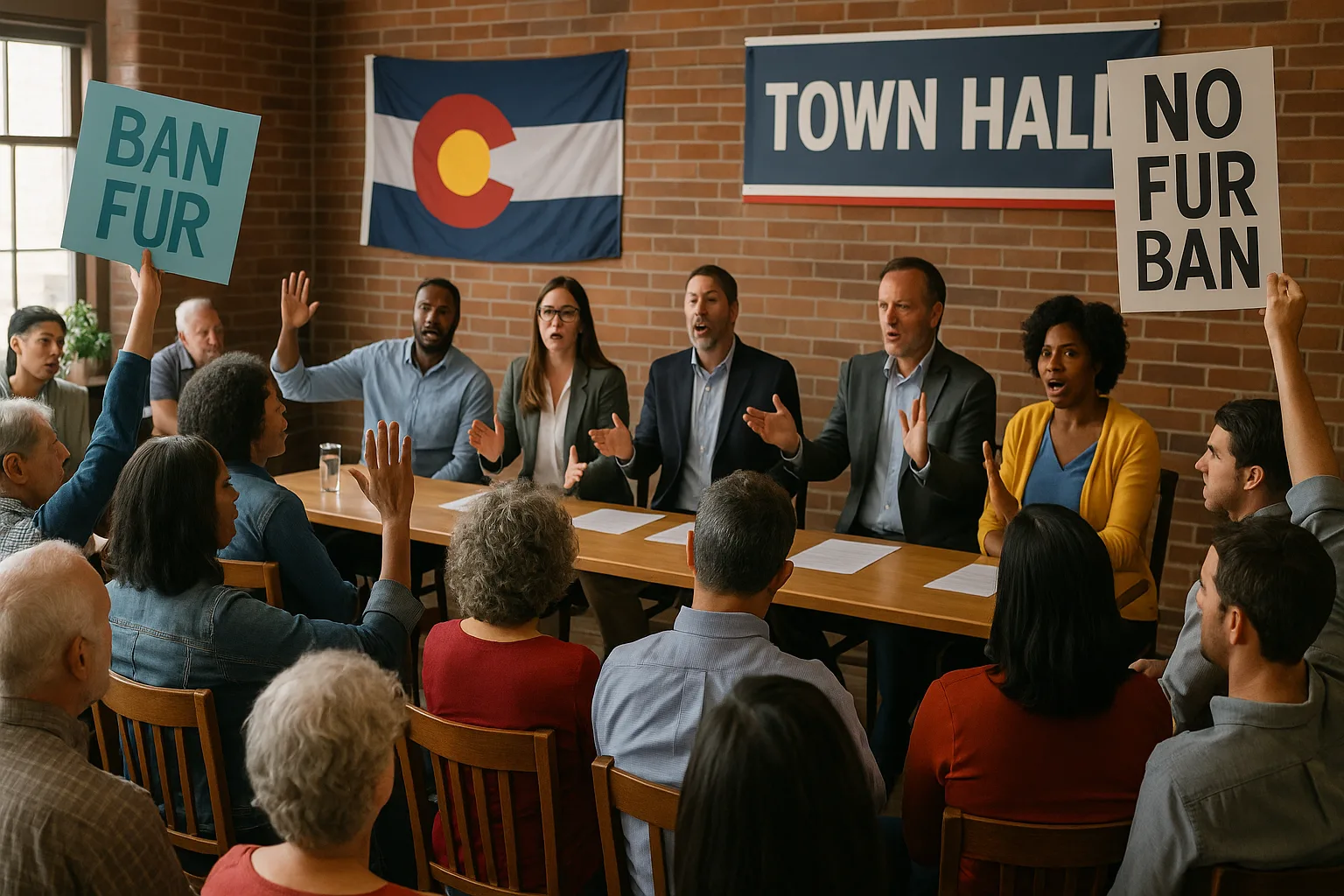
Colorado’s debate over a potential fur ban is heating up as it heads to Grand Junction this May. The issue—emblematic of larger ethical and economic tensions—promises to draw both passionate supporters and staunch opponents to the discussion table.
Key Takeaways
- Colorado’s proposed fur ban would prohibit the sale and manufacturing of fur products in the state.
- Grand Junction is expected to be a key venue for public discussion this spring as the debate intensifies.
- Supporters frame the ban as a step toward ethical consumerism and improved animal welfare.
- Opponents warn of economic repercussions, especially for rural communities tied to fur trading traditions.
- If the ban passes, it could set a precedent that influences similar efforts in other states.
What’s Happening
This spring, the debate surrounding Colorado’s proposed fur ban will reach Grand Junction, a community known for its diverse views on wildlife conservation and economic growth. The ban, which would prohibit the sale and manufacturing of fur products within the state, has sparked a fierce dialogue among lawmakers, business owners, and animal rights activists.
Proponents of the ban argue that it is a crucial step toward ethical consumerism, emphasizing the inhumane conditions often associated with fur farming. Animal rights organizations have been vocal in their support, highlighting the potential for a significant positive impact on animal welfare.
Opponents, however, are concerned about the economic repercussions. Colorado has a long-standing tradition of fur trading, and many rural communities rely on this industry for their livelihoods. Business owners fear that the ban could lead to job losses and economic downturns in regions where alternative employment opportunities may be scarce.
Why It Matters
The implications of this debate extend far beyond Colorado’s borders. Should the fur ban pass, it could set a precedent for other states to follow, potentially reshaping the fur industry across the United States. This decision could influence consumer behavior, pushing more people toward synthetic alternatives and furthering the conversation about sustainable fashion practices.
More broadly, the debate highlights a growing societal shift toward ethical consumption. As consumers become more aware of the origins of their products, industries are increasingly pressured to adopt humane and environmentally friendly practices. A successful fur ban in Colorado could catalyze further legislative measures aimed at protecting wildlife and promoting ethical standards in other sectors.
The Bigger Picture
Historically, the fur trade has been a significant economic driver in Colorado, dating back to the early 19th century. The industry has evolved over time, but it remains a cultural touchstone for many communities. This context is crucial in understanding the resistance from those who view the ban as a threat to their heritage and way of life.
Globally, the fur industry has faced mounting pressure as countries like the UK and Norway implement similar bans. These international trends reflect a broader movement toward animal rights, with growing public support for legislation that curtails inhumane practices.
What to Watch For
As the debate unfolds in Grand Junction, key indicators will include public opinion polls, the stance of influential local politicians, and the responses from major industry stakeholders. The outcome of this debate could hinge on these factors, along with potential compromises that might address economic concerns while still advancing animal welfare goals.
Observers should also watch for potential legal challenges that could arise if the ban is implemented, as well as the ways in which businesses might adapt to such regulatory changes. The evolution of this issue will likely serve as a barometer for similar legislative efforts nationwide.
For further details, see the original source from KKCO 11 News.
Frequently Asked Questions
- What is the proposed fur ban in Colorado?
- The proposed fur ban in Colorado seeks to prohibit the sale and manufacture of fur products within the state.
- When and where is the debate expected to intensify?
- The debate is expected to heat up as it heads to Grand Junction this May.
- Who is involved in the debate?
- The issue has sparked discussion among lawmakers, business owners, and animal rights activists.
- What are the arguments in favor of the fur ban?
- Proponents argue it promotes ethical consumerism and improves animal welfare by addressing inhumane conditions often associated with fur farming.
- Why is there opposition to the fur ban in Colorado?
- Opposition stems from concerns about economic impact, particularly in rural areas that rely on the fur trade for livelihoods.
- How might the fur ban affect Colorado’s economy?
- Opponents say the ban could lead to job losses in the fur industry and contribute to economic downturns in regions where alternative employment opportunities may be scarce.
- Could Colorado’s fur ban influence other states?
- Yes. If the ban passes, it could set a precedent for other states to follow, potentially reshaping the fur industry across the United States.
- What should readers watch for as the issue unfolds?
- Key indicators include public opinion polls, the stance of influential local politicians, responses from industry stakeholders, potential compromises, possible legal challenges, and how businesses might adapt to new regulations.
Montana's outdoor week, in your inbox at 7am Friday.