
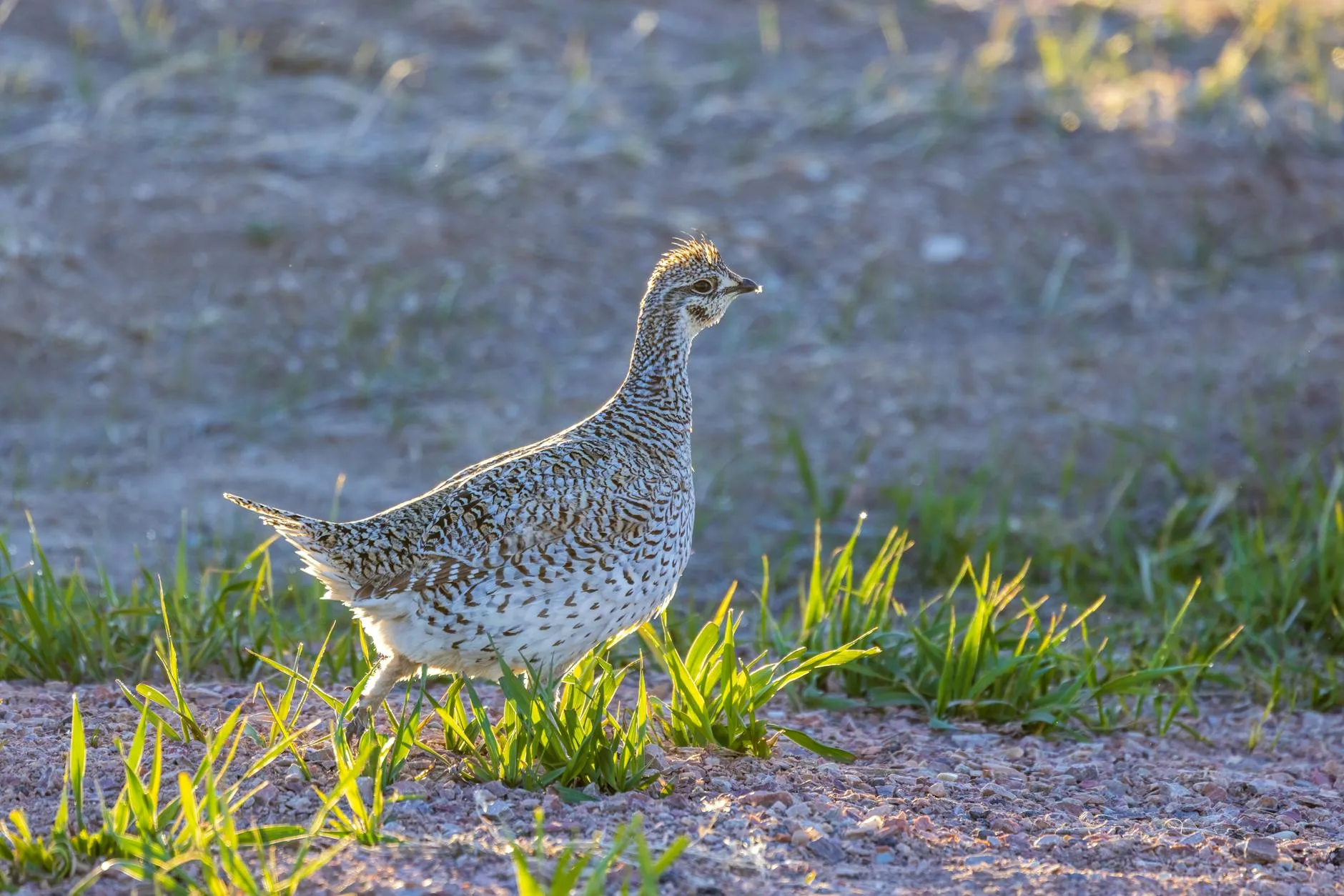
Two lawsuits in less than a month. That’s where we are with sage grouse management — and if you’re hunting eastern Montana’s prairie or running a dog through the sagebrush breaks after sharptails, this fight belongs to you whether you’re paying attention to it or not.
The latest legal challenge claims the Bureau of Land Management flat-out ignored the best available science when it wrote management policy for sage grouse across Wyoming and Montana. These aren’t fringe arguments. The suits point to documented population declines across habitats that hold roughly half the world’s remaining sage grouse — and they’re asking hard questions about why federal policy hasn’t stopped the bleeding.
Why Montana Hunters Should Care
Sage grouse aren’t just a conservation bumper sticker. They’re an indicator species — a biological canary in the coal mine — for the sagebrush steppe that covers a big chunk of eastern Montana. That same country you’re walking for Huns and sharptails, glassing for mule deer off the Powder River Basin rims, or packing into for antelope. When grouse numbers crater, it means the whole system is under stress.
Montana’s sage grouse numbers have dropped hard over the past two decades. Limited hunting seasons still exist in certain management areas, but the bird’s status has been shaky enough to trigger multiple reviews for Endangered Species Act listing. An ESA listing would be a game-changer. Not just for grouse hunters — for everyone who uses public land in eastern Montana. Energy development, livestock grazing, recreational access during nesting season — all of it would be on the table for federal oversight in ways that would make today’s regulations look relaxed.
The Science vs. Policy Disconnect
Here’s the core of what these lawsuits argue: the BLM knew what sage grouse needed and wrote policy that delivered something less. The science on this has been consistent for years. These birds need large, intact sagebrush landscapes. Minimal disturbance during breeding and nesting. Protection from the kind of fragmentation that comes with road networks, energy infrastructure, and cheatgrass invasion following wildfire.
The BLM’s Resource Management Plans — which govern millions of acres in Montana and Wyoming — were supposed to lock in science-based protections. Critics say those protections got watered down or ignored, leaving grouse exposed to the same pressures that have driven declines for decades despite the appearance of active management. Honestly, that pattern of “managing” a species while its population keeps dropping should raise red flags for any hunter who’s watched it play out with other species over the years.
What This Means on the Ground
If you’ve hunted anywhere from the Missouri Breaks east toward the Powder River country in the last ten or fifteen years, you’ve seen this firsthand. Sagebrush flats that used to hold birds are showing the wear — juniper pushing in where it doesn’t belong, cheatgrass taking over after fires, habitat getting chopped into smaller and smaller pieces. It’s not subtle anymore.
Montana Fish, Wildlife & Parks has already adjusted sage grouse regulations multiple times, closing seasons in some management areas while keeping limited opportunity alive in others. The agency leans heavily on lek counts — the number of male birds displaying at traditional breeding grounds each spring — to make those calls. In many areas, those counts have been trending the wrong direction.
For upland hunters, here’s what to watch in the coming months and years:
- Further season restrictions or outright closures if lek counts keep dropping
- Potential changes to public land access during spring breeding seasons
- Shifts in mule deer and antelope management tied to broader sagebrush habitat concerns
- A wave of increased federal oversight if ESA listing moves forward
The Bigger Public Lands Picture
These lawsuits didn’t materialize out of nowhere. They’re the latest eruption of a tension that’s been building for decades over how Montana’s public lands get managed — who gets priority when energy development, grazing, recreation, and wildlife conservation all want the same acres. Sage grouse have become the focal point because their requirements are specific, their population trends are measurable, and the consequences of getting it wrong are hard to ignore.
In my experience, the hunters who dismiss sage grouse as a niche conservation issue are the same ones surprised when mule deer seasons get tightened or antelope numbers start sliding in country that used to hold animals. It’s all connected. Healthy sagebrush is critical winter range for deer and elk, prime habitat for everything from pronghorn to golden eagles, and some of the last genuinely wild upland country left in the West — the kind you can still cover on foot with a good dog and a 20-gauge and not see another truck all day.
The courts could force BLM back to the drawing board with stricter science-based protections. Or the status quo holds, and populations keep drifting downward. Either way, what gets decided in those federal courtrooms is going to show up in your hunting seasons — and in the country you’re hunting — for a long time.
Source inspiration: MSN
Montana's outdoor week, in your inbox at 7am Friday.